

Business trip to Almaty
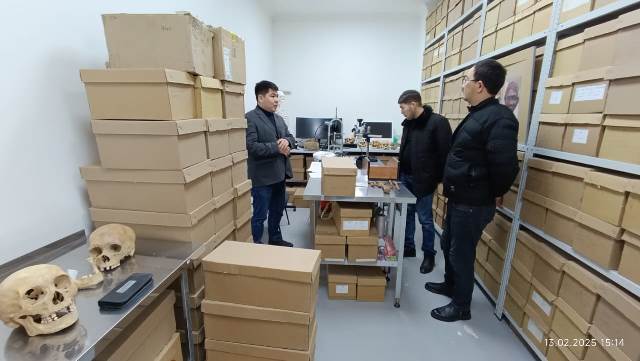
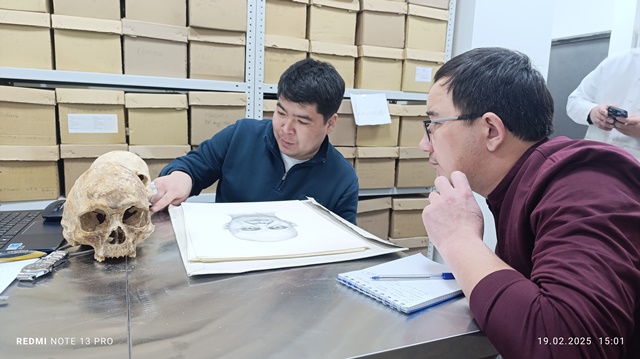
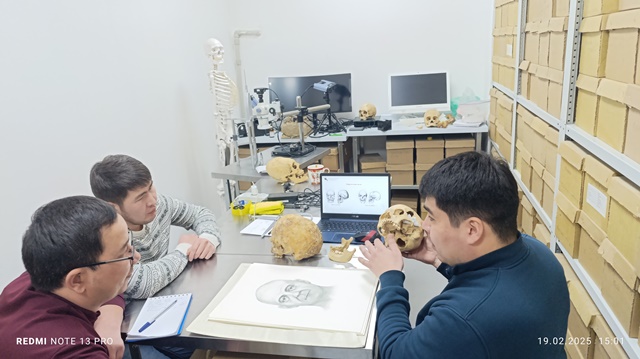
From February 10 to 21, 2025, scientific staff of the State Historical and Cultural Museum-Reserve “Botai” — M.S. Makeev and M.M. Kuttybay — visited the A.Kh. Margulan Institute of Archaeology in Almaty on a research visit.
The purpose of the visit was to exchange experience in the preservation and protection of historical monuments under the cooperation memorandum, share research results, and organize joint activities in various areas.
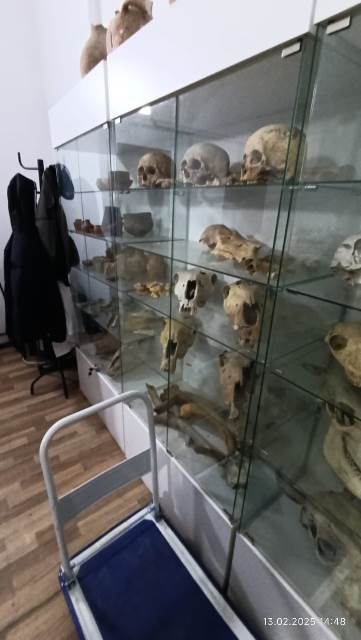
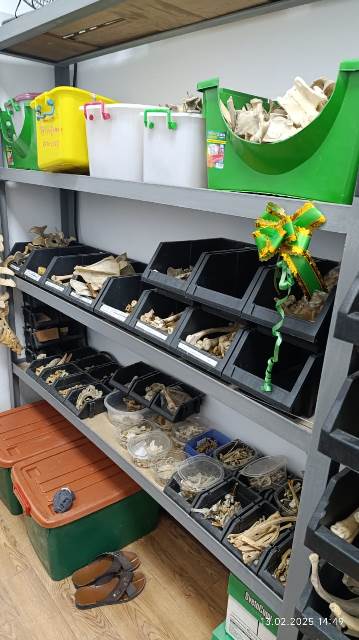
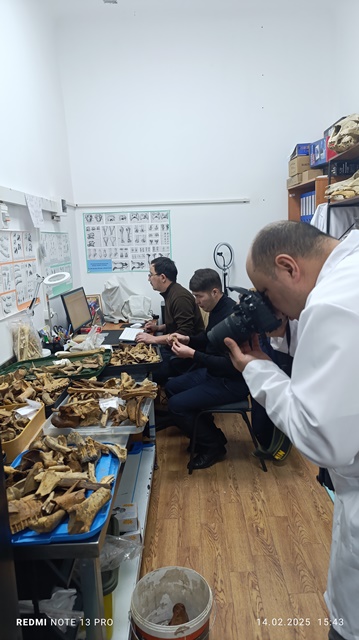
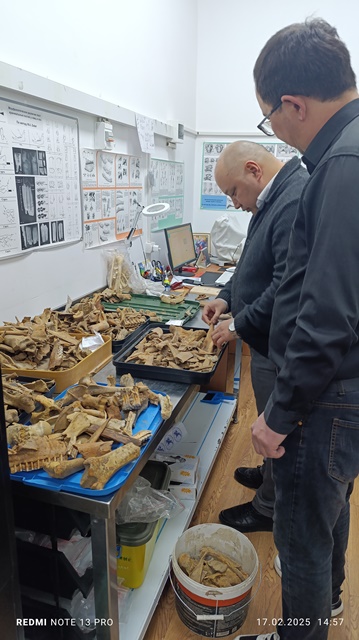
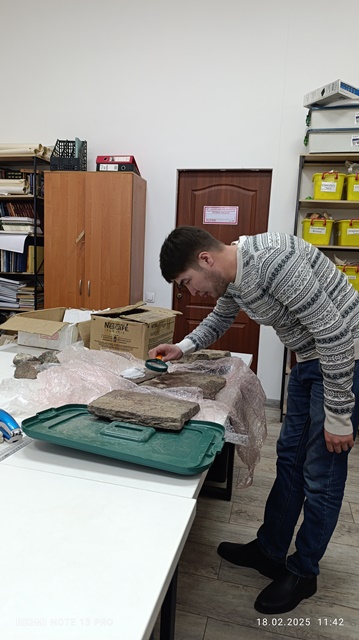
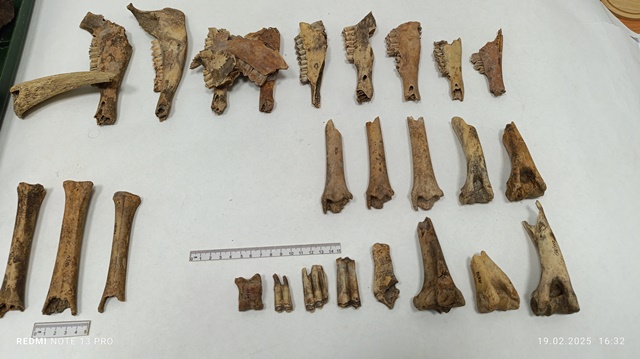
During the visit, the researchers became familiar with the zooarchaeology, anthropology, and osteology laboratories, as well as ongoing scientific research conducted in these fields.
“Methods of Archaeological Research”
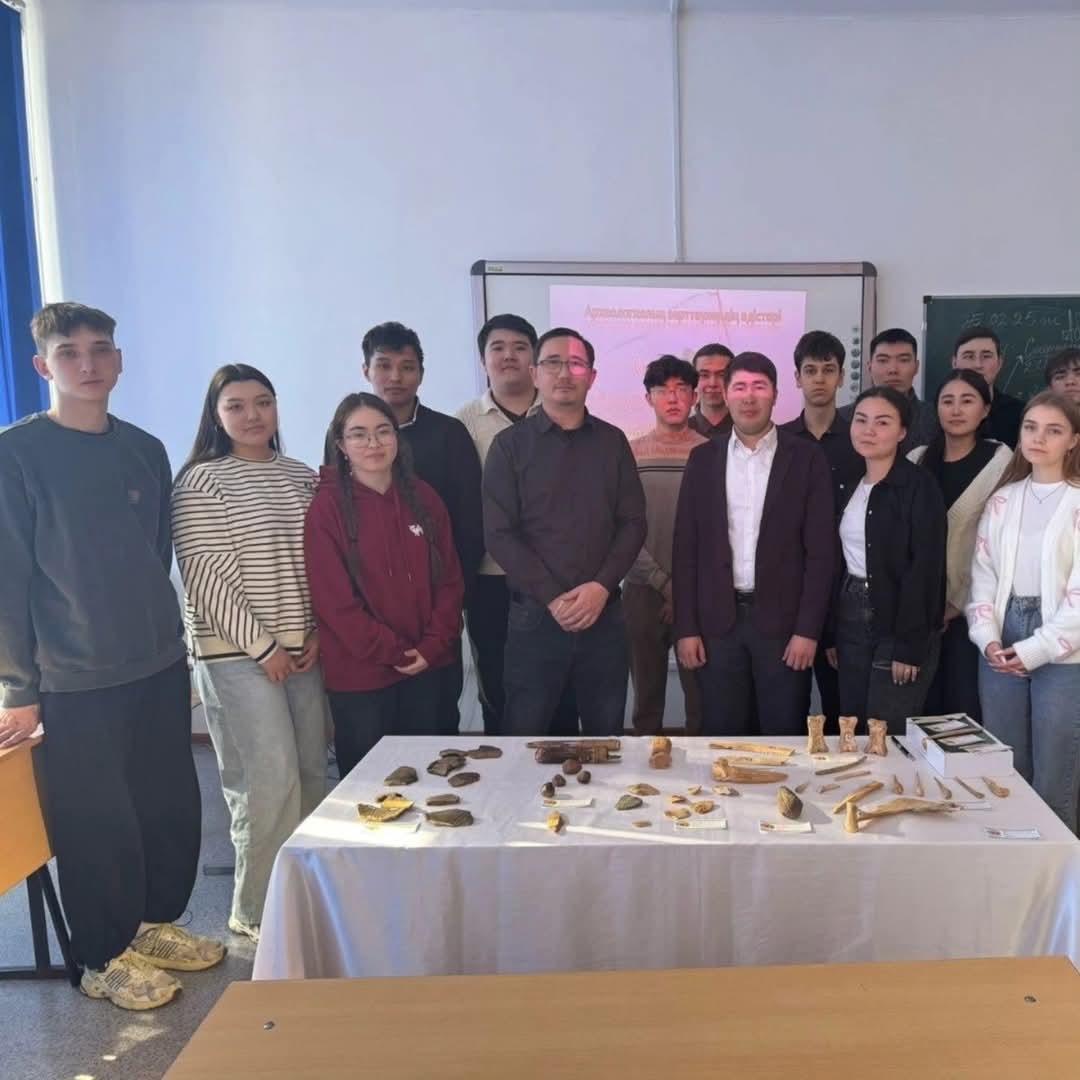
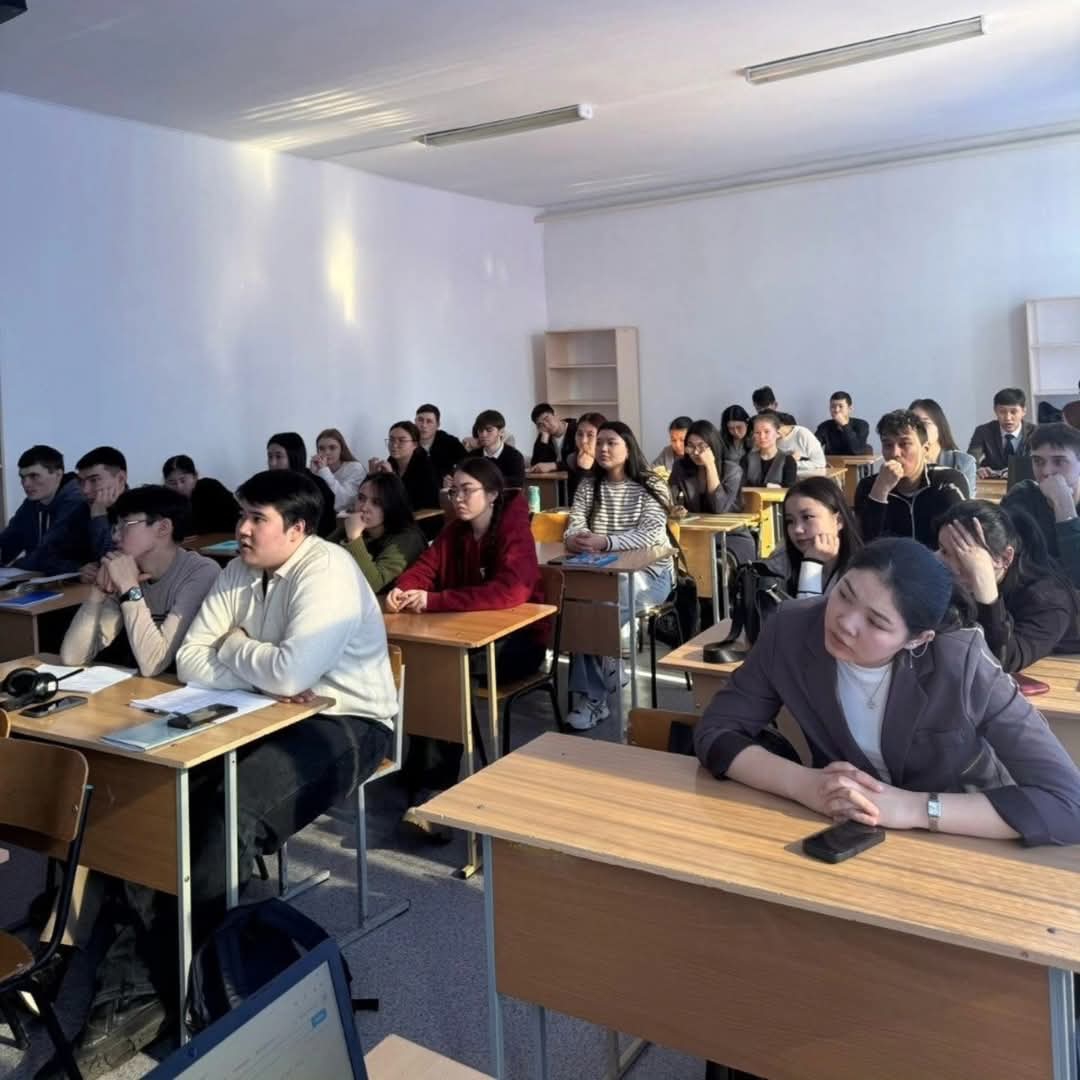
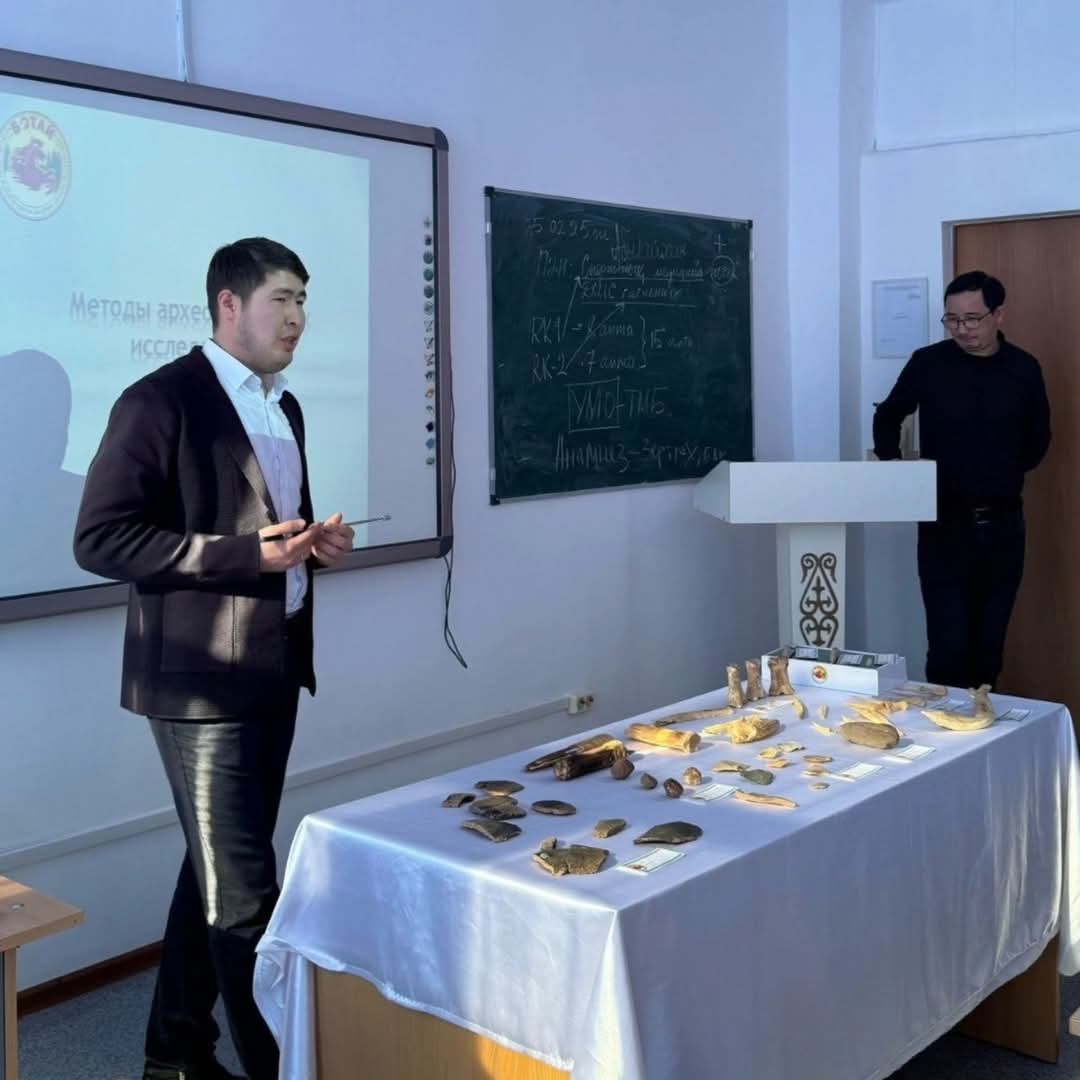
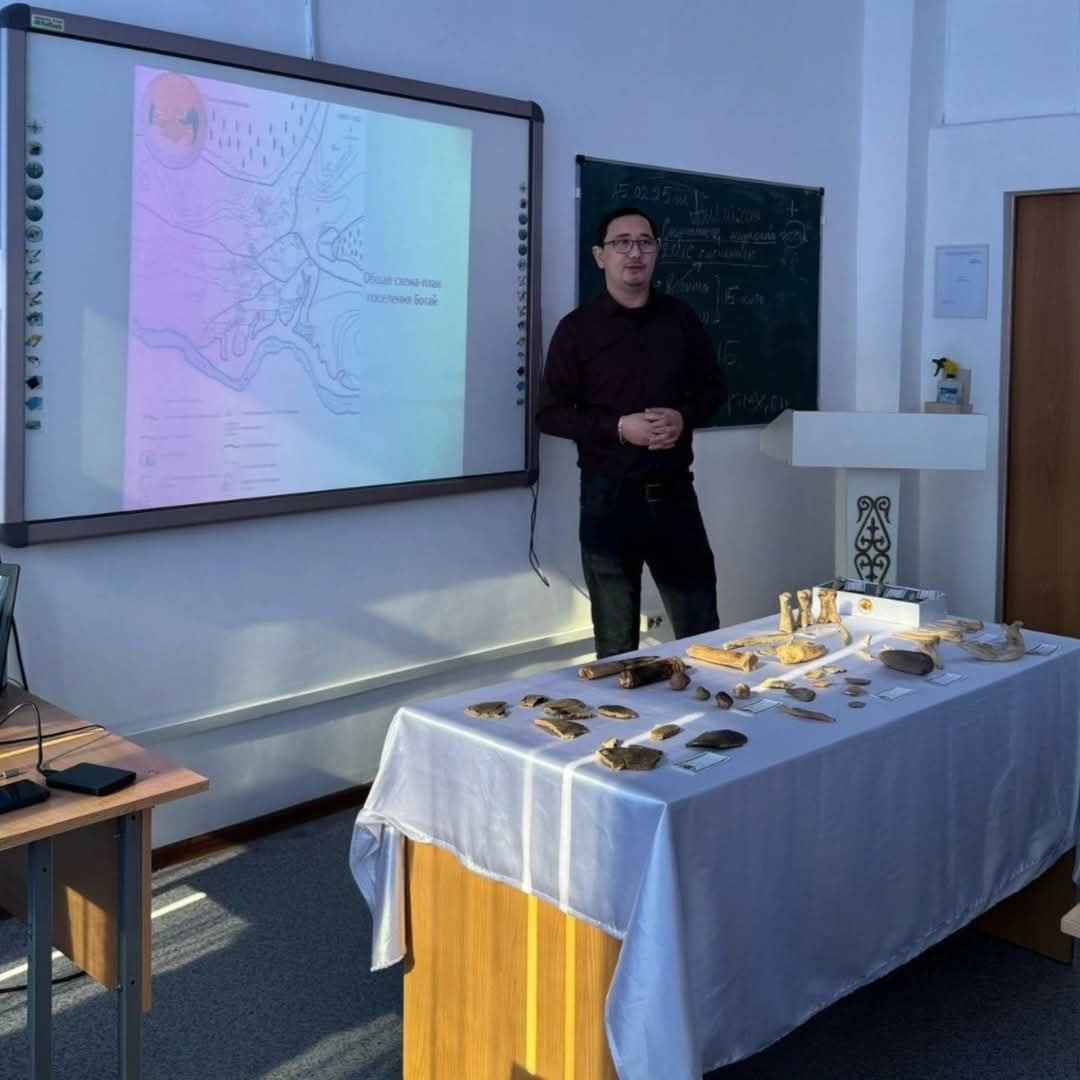
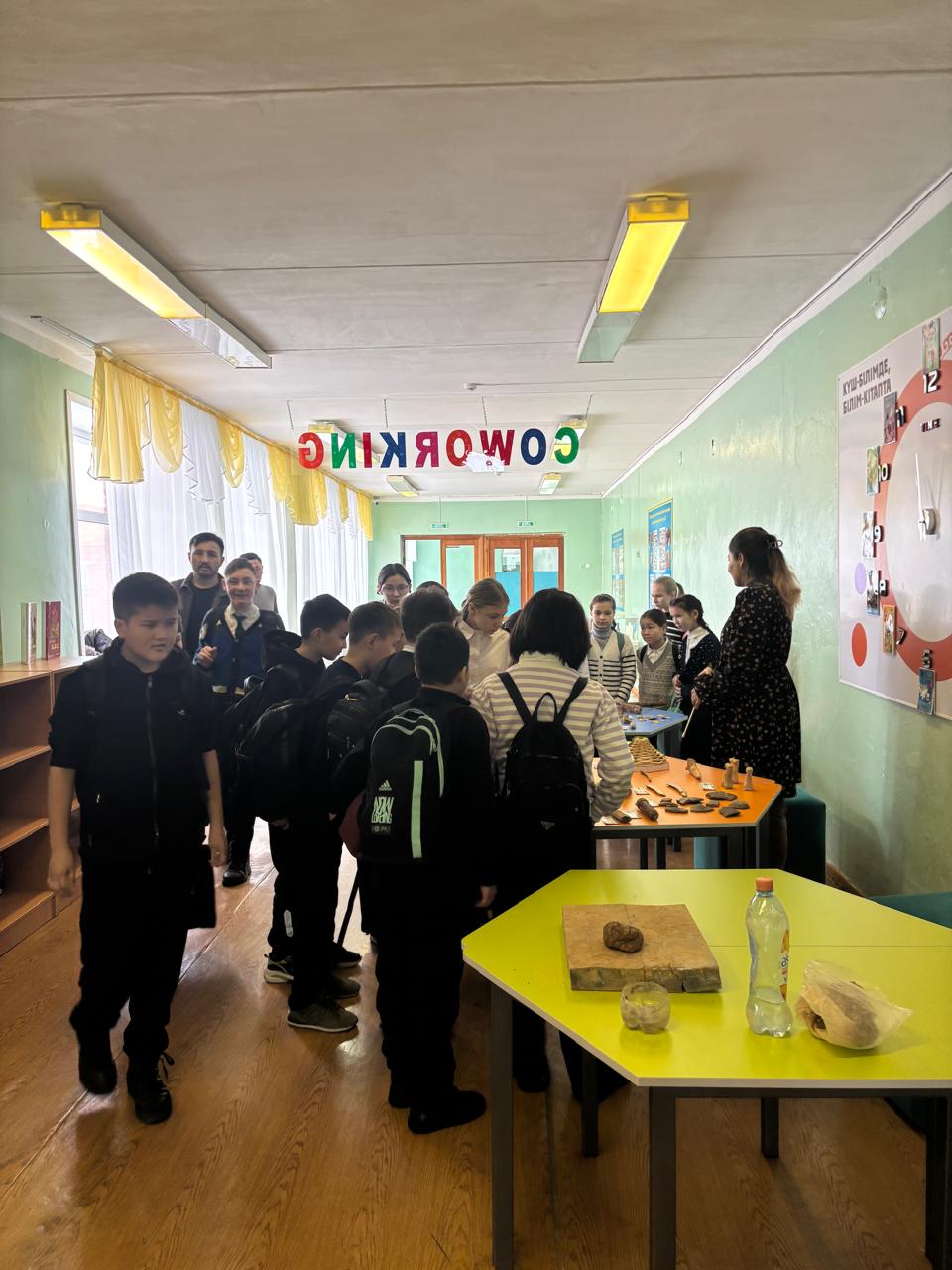
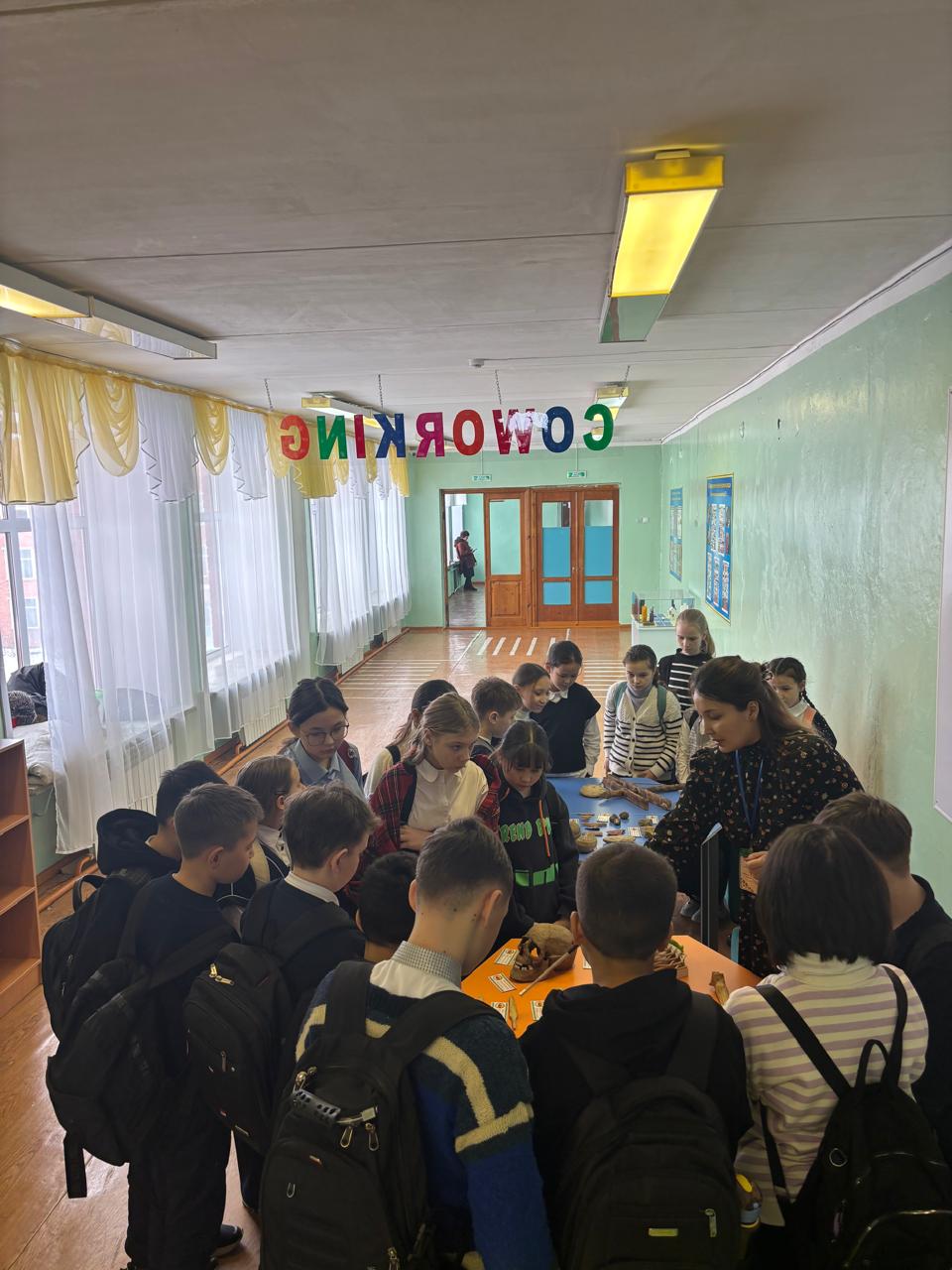
On February 27, 2025, scientific staff of the Republican State Enterprise “State Historical and Cultural Museum-Reserve ‘Botai’” under the Committee of Culture of the Ministry of Culture and Information of the Republic of Kazakhstan — M.S. Makeev and M.M. Kuttybay — organized educational historical events for students of Sh. Ualikhanov Kokshetau University on the topic “Methods of Archaeological Research.”
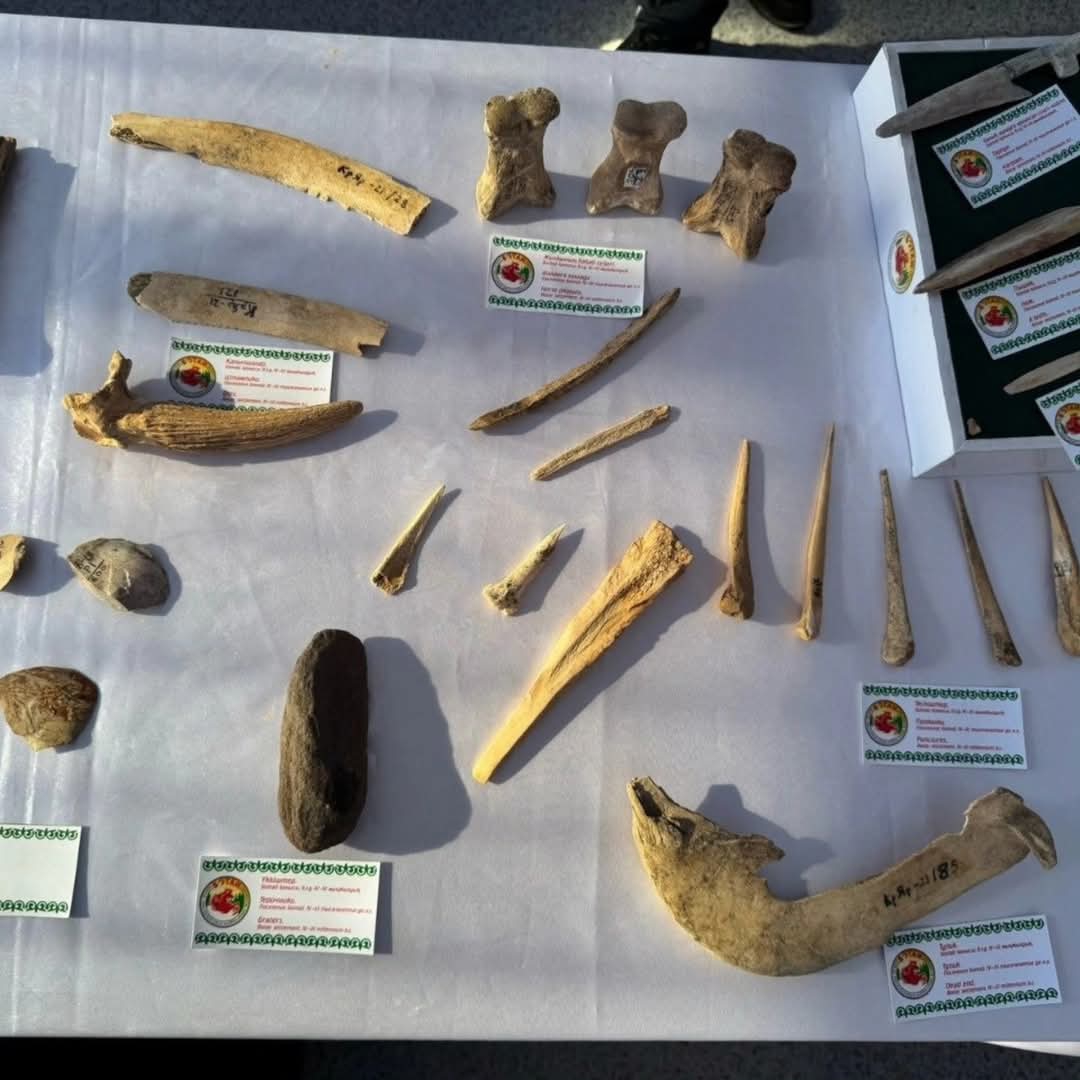
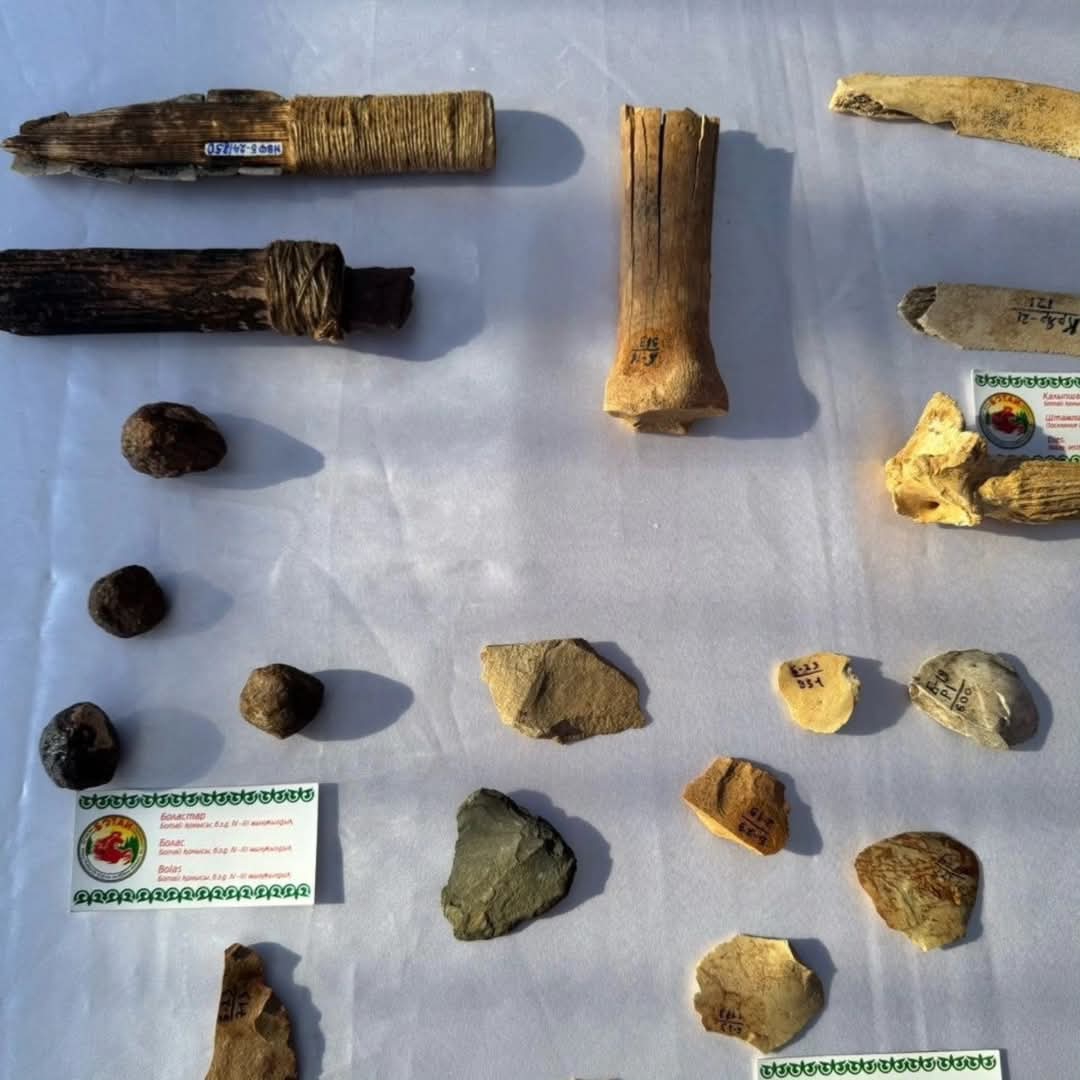
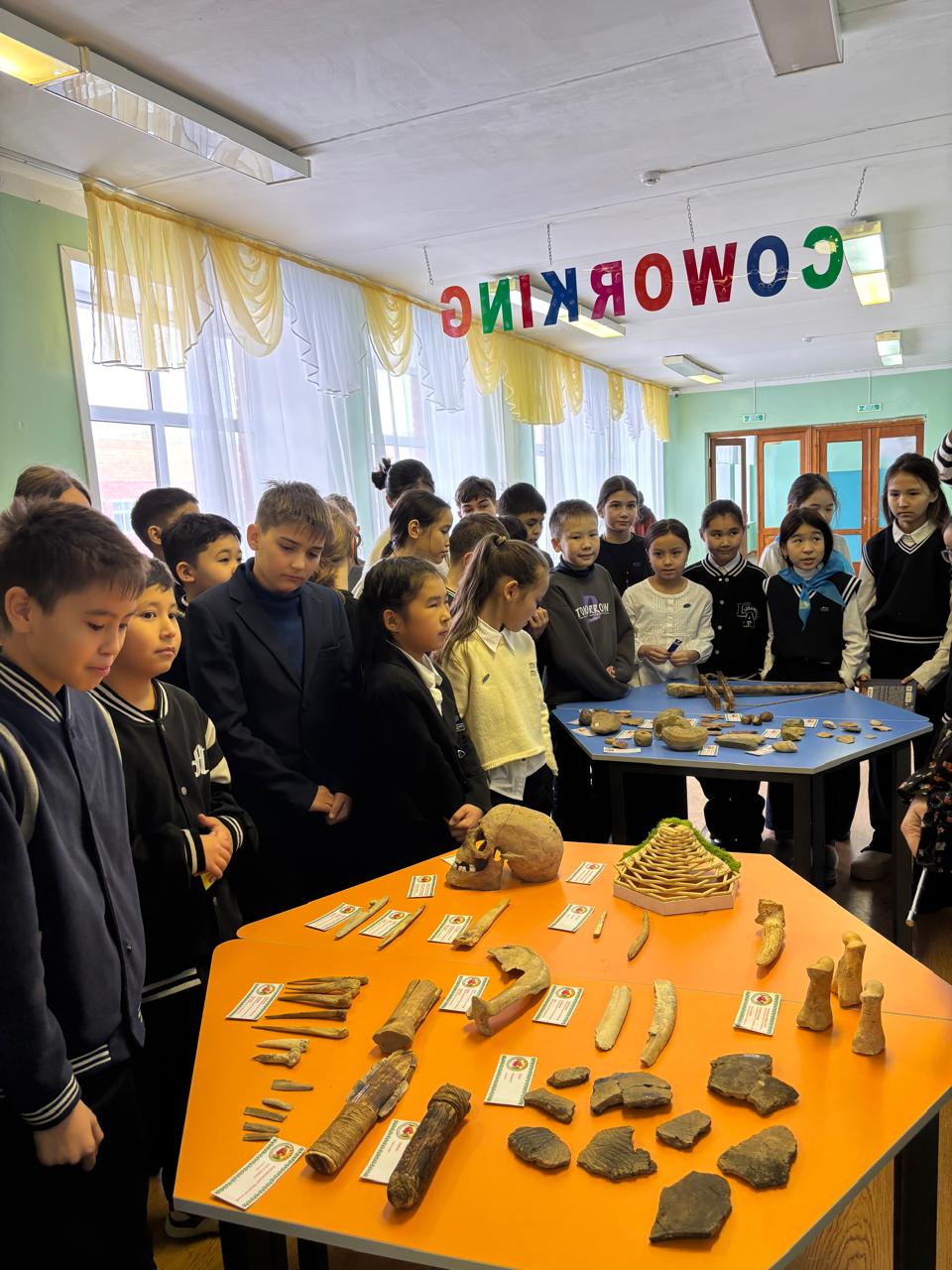
The program included an exhibition-tour based on materials and artifacts of the Botai culture.
Students were presented with information on the unique results of nearly 40 years of research at the Botai settlement, which proved that at the end of the Stone Age, on the territory of Kazakhstan within the Ural–Irtysh region, the ancient carriers of the Botai culture were the first in the world to domesticate the horse.
“Ancient Secrets of the Great Steppe”
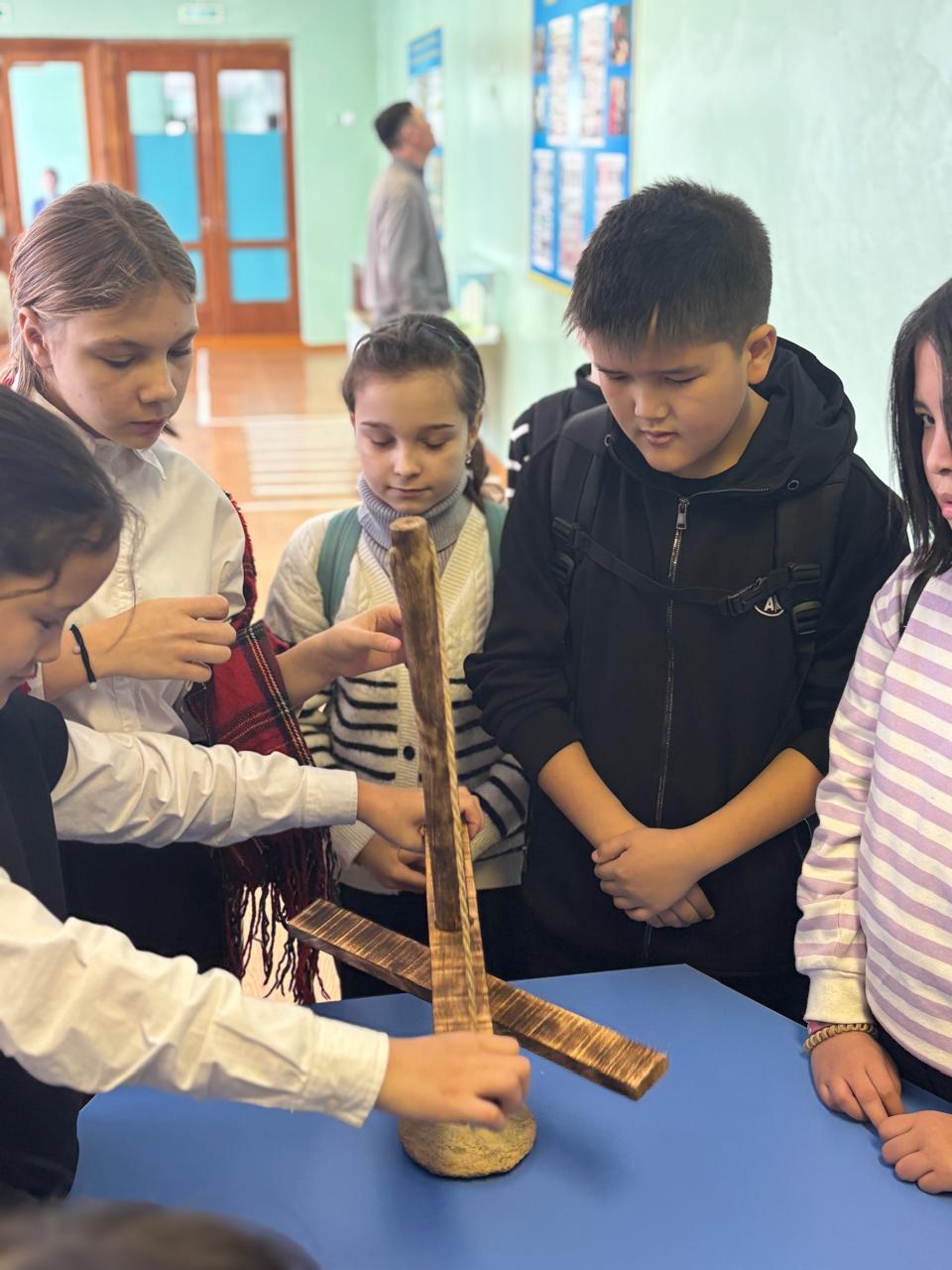
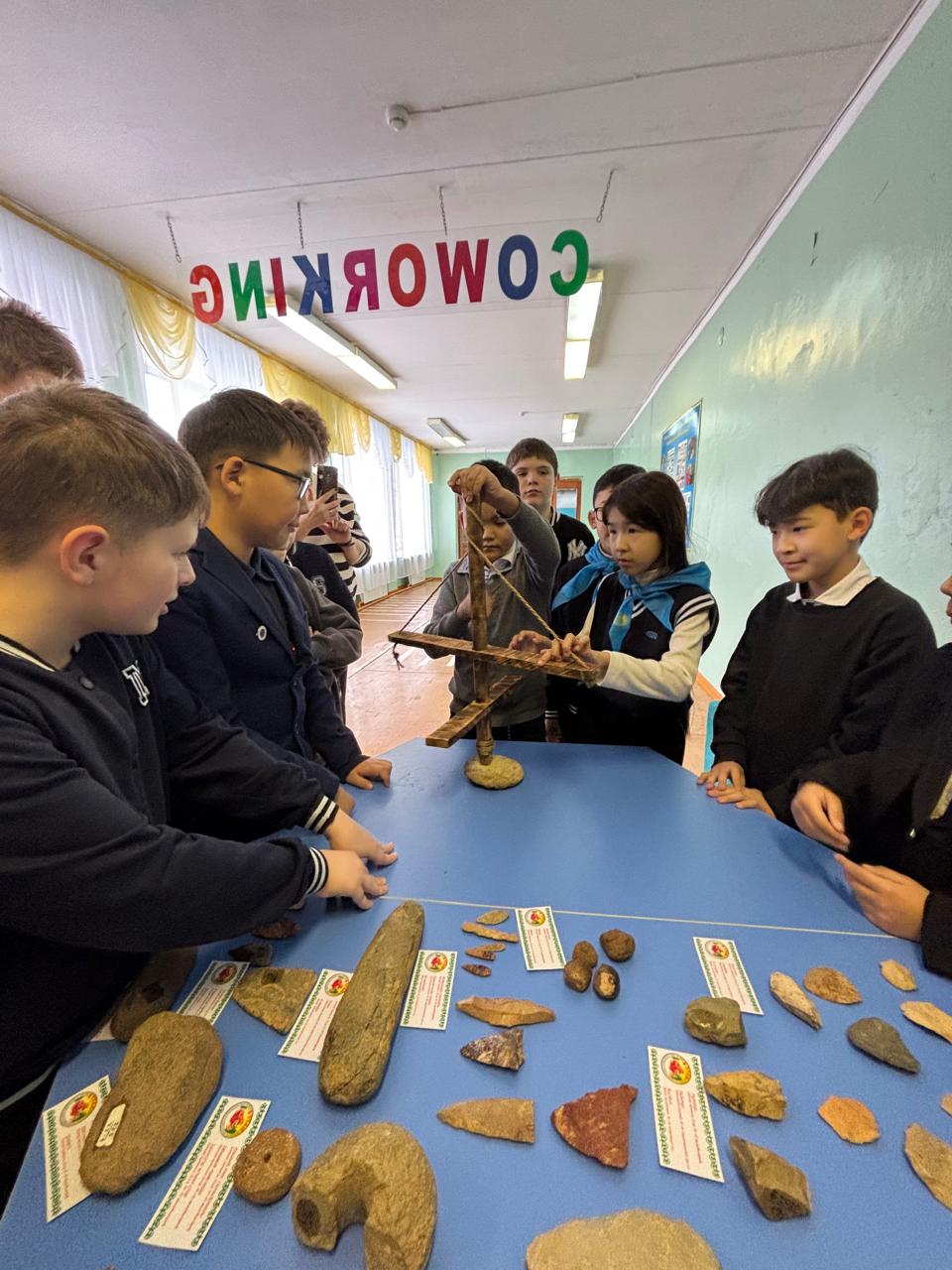
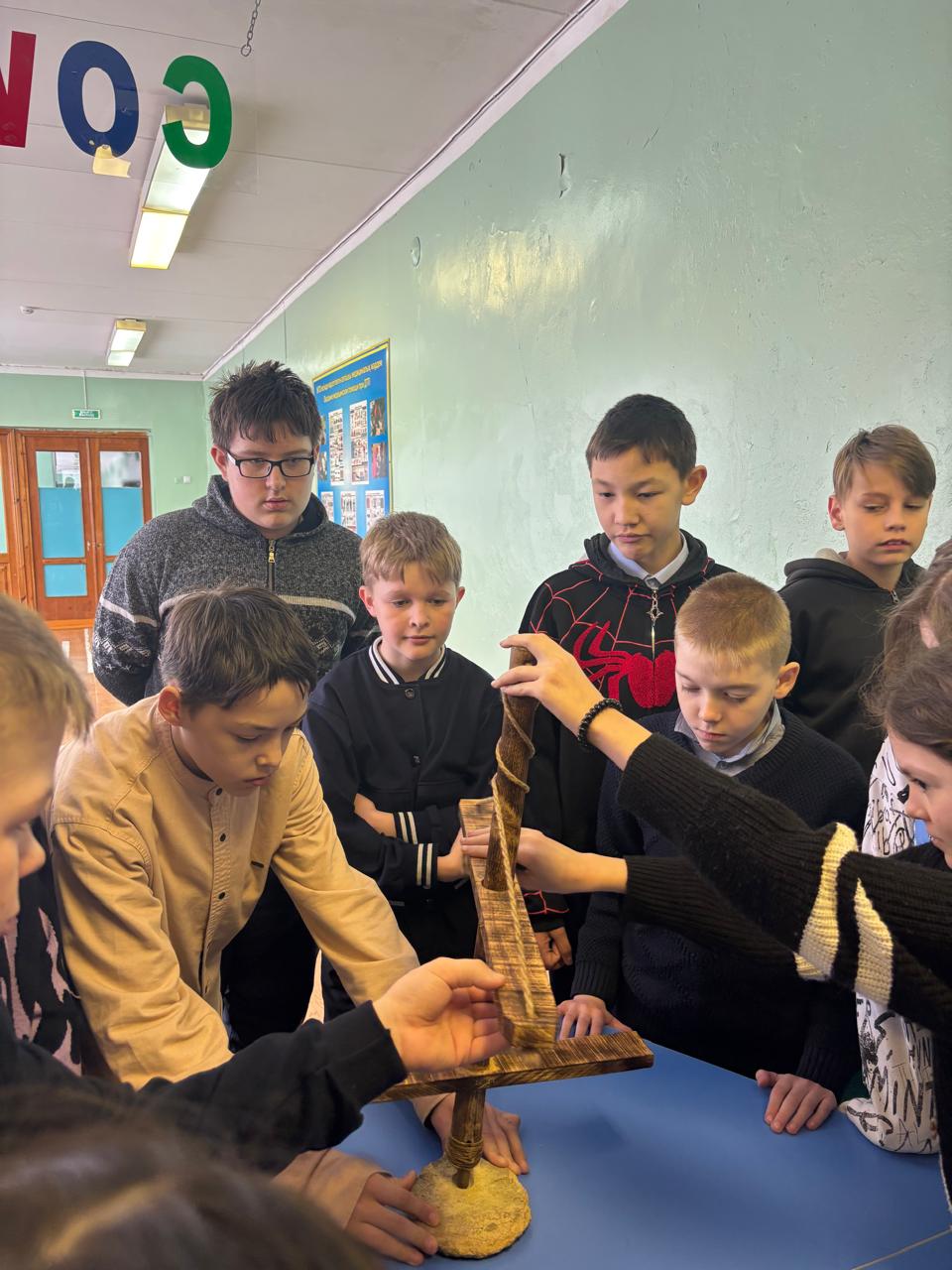
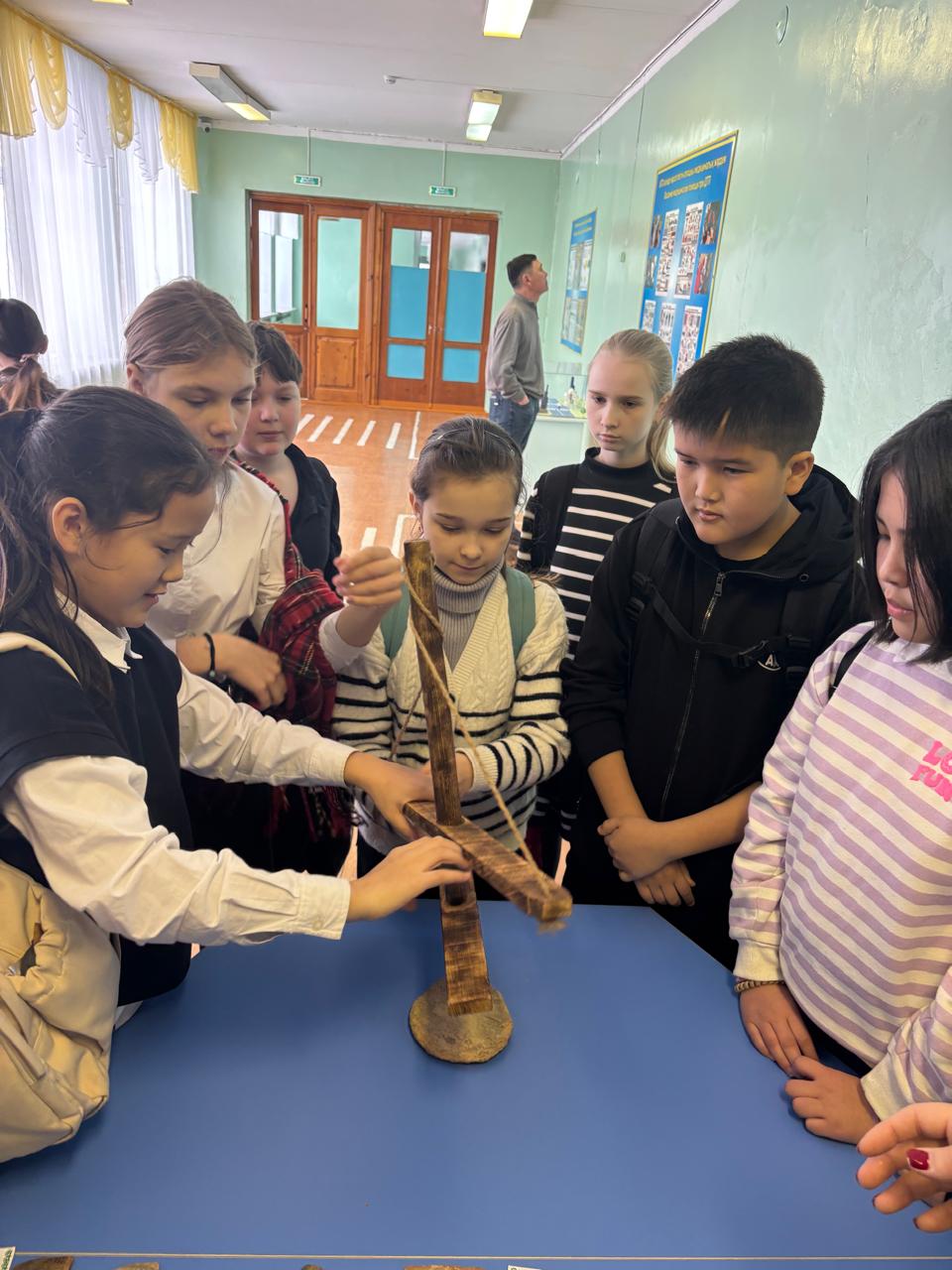
On February 27, 2025, the Botai Museum-Reserve organized master classes for students of the Saumalkol school-gymnasium on the topic “Ancient Secrets of the Great Steppe.” The sessions focused on the production of pottery and stone discs using ancient Botai technologies.
Pottery production held an important place among the Botai people and was mainly intended for household and domestic use. The patterns applied to ceramics consisted mainly of hatched triangles, zigzags, fir-tree motifs, circular designs, and lines.
Stone discs were made using drilling and grinding techniques. During the Eneolithic period (4th–3rd millennia BCE) on the territory of Kazakhstan, disc-shaped stone hammers appeared.
The ancient Botai people used the stone hammer as a unique tool for slaughtering large livestock.
The organized master classes attracted great interest among the students, who actively and enthusiastically participated in the event.
“Traditional Friday”
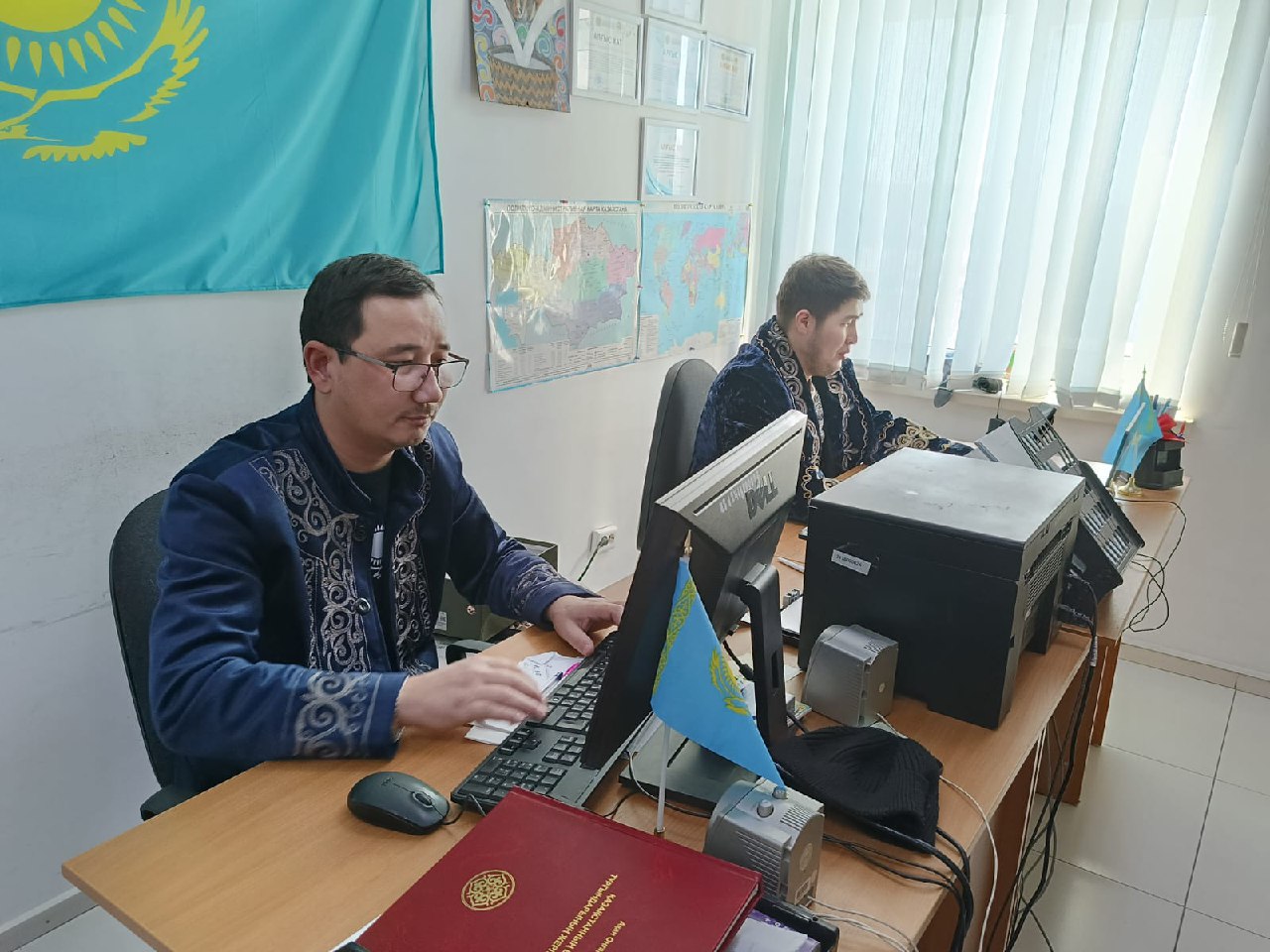
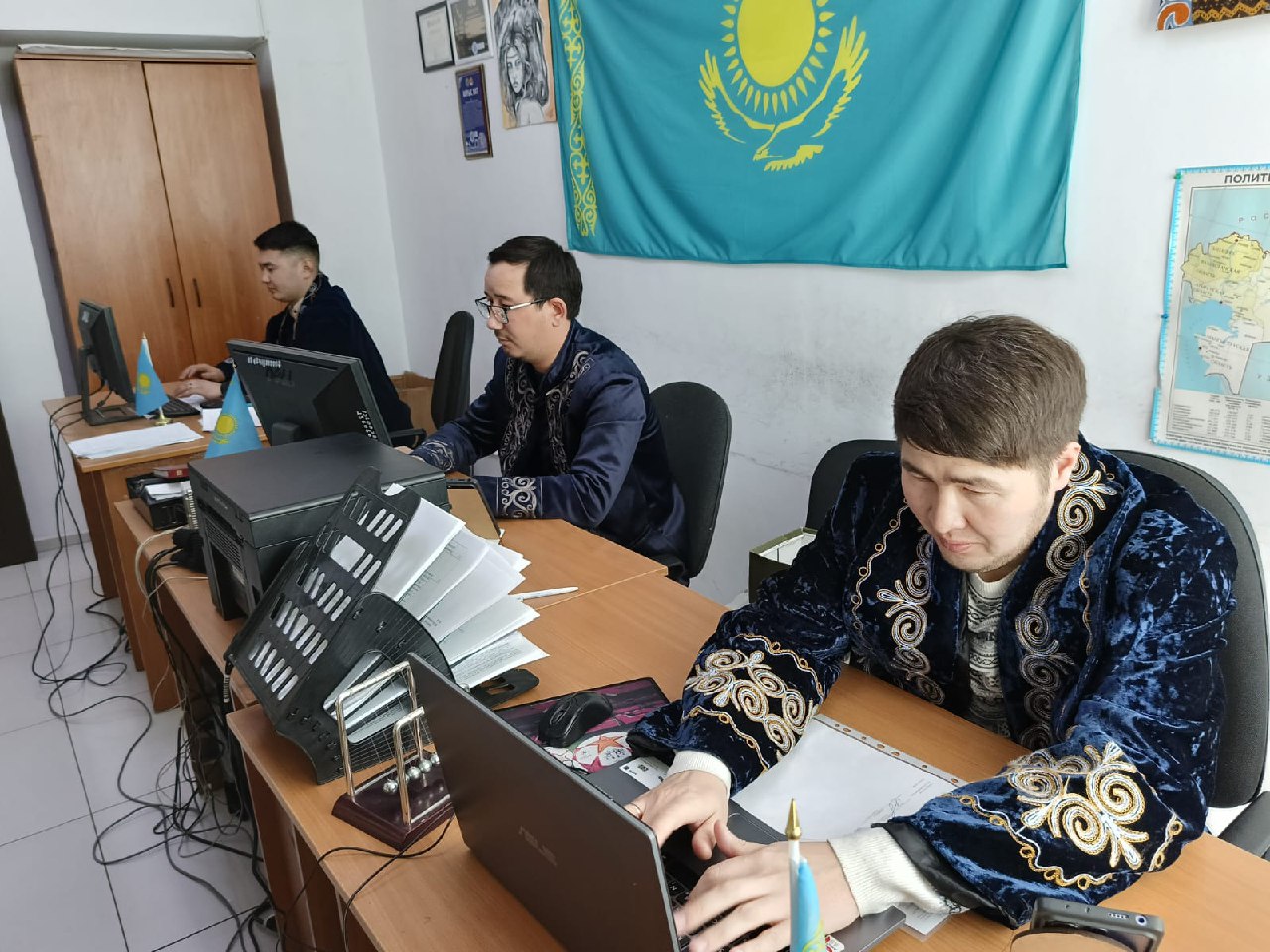
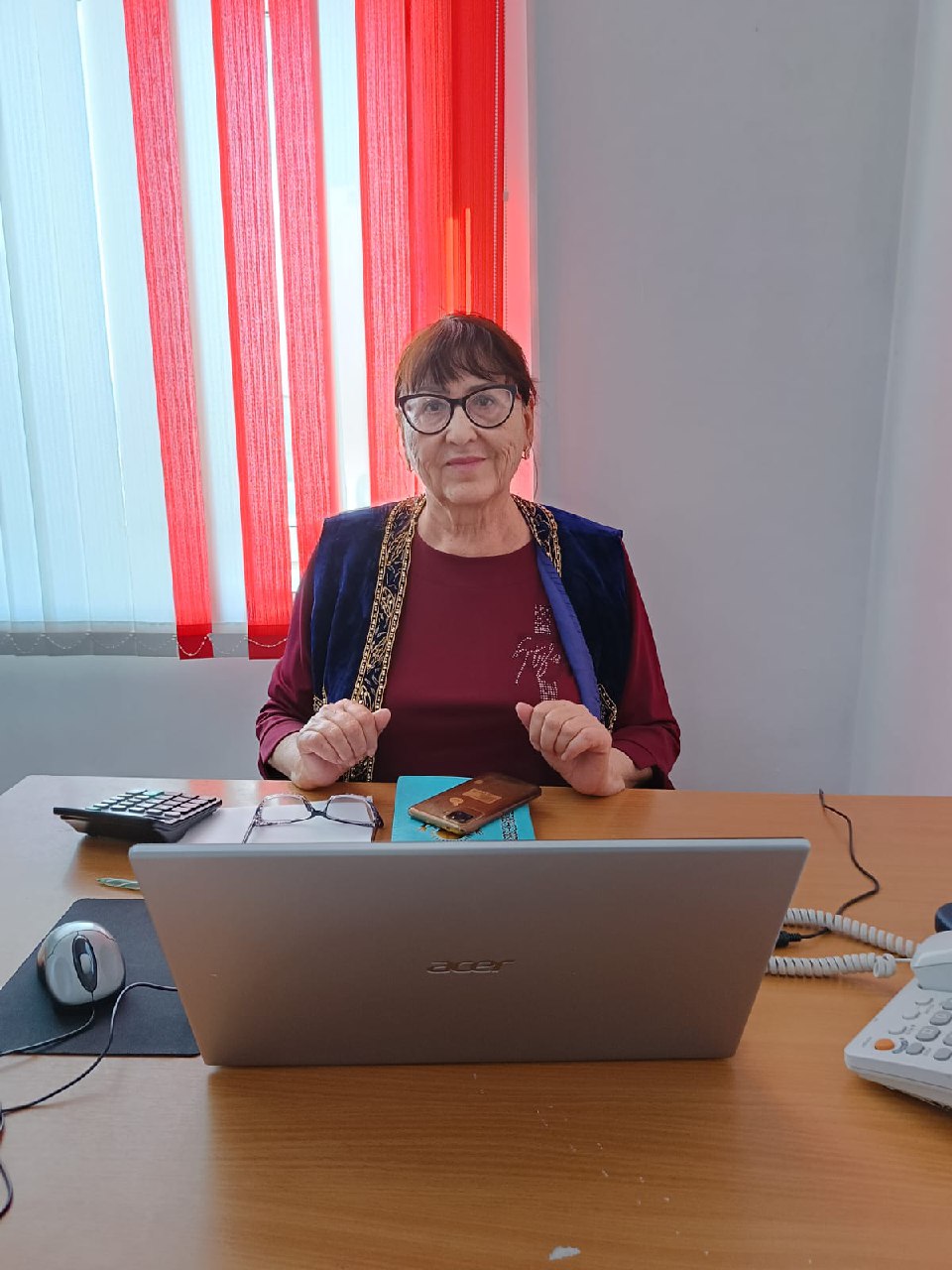
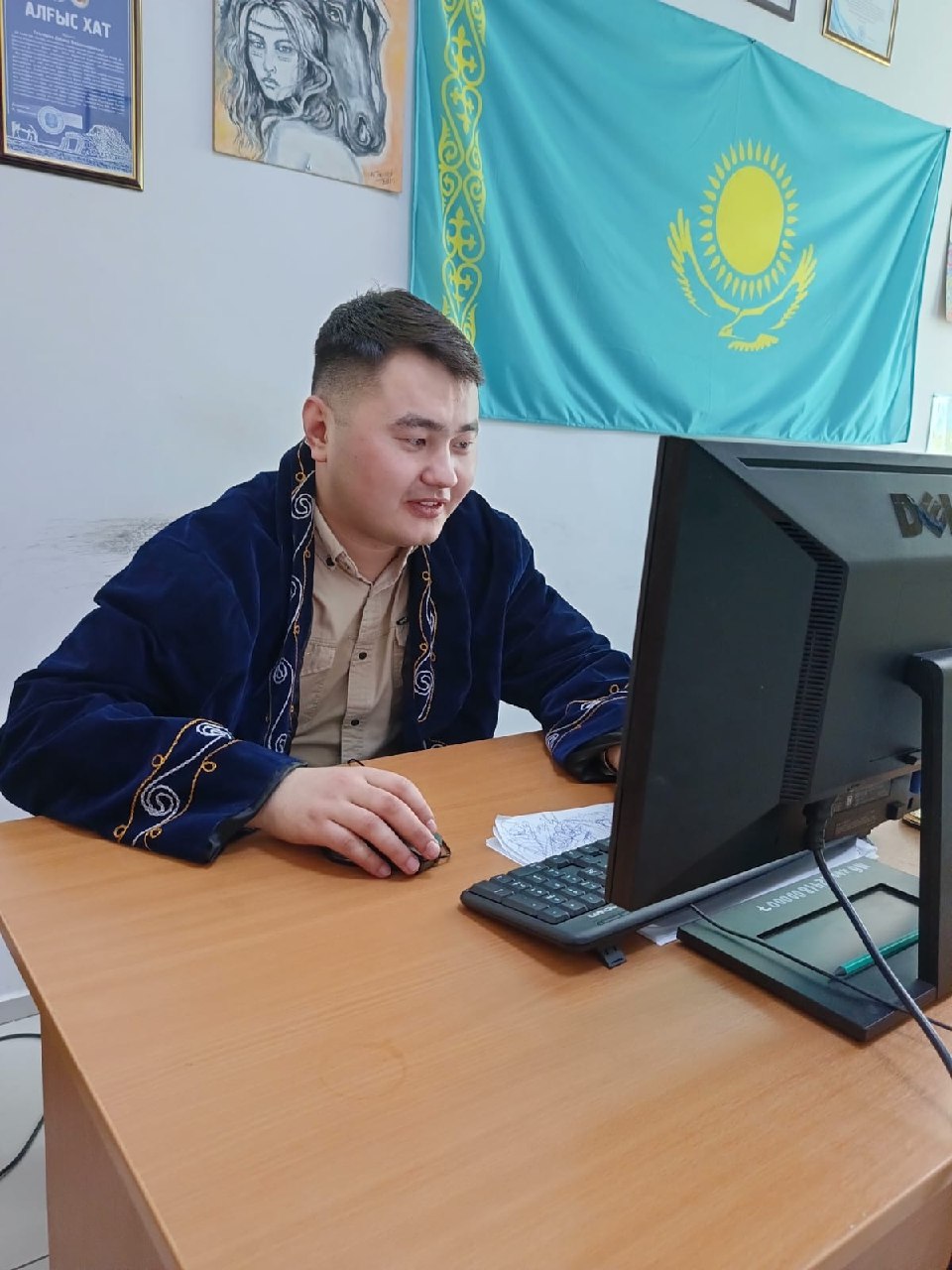
In order to implement the instructions of the Head of State Kassym-Jomart Tokayev regarding national clothing, given at the III National Kurultai held on March 15, 2024, the staff of the State Historical and Cultural Museum-Reserve “Botai” launched the “Traditional Friday” initiative, wearing national attire instead of formal clothing every Friday.
Exhibition “ «Туған өлкем-тұңған шежірем» (My Native Land – a Treasure Trove of History)
On February 21, 2025, staff of the Botai Museum-Reserve organized an educational historical museum lesson for students of the secondary school in the village of Chaglinka, Zerenda district, Akmola region, on the topic “«Туған өлкем-тұңған шежірем»,” dedicated to the Botai culture.
The purpose of the museum lesson was to promote the unique archaeological monument of the Botai culture and to foster a sense of love for the Motherland and respect for its history and cultural heritage among young people.
The staff of the Botai Museum-Reserve prepared a lecture on monuments of the Botai culture and presented an exhibition of artifacts and unique archaeological finds specifically for the students.
Students of grades 5–11 were also shown master classes demonstrating the reconstruction of pottery and the production of stone discs using ancient technologies.
Approximately 50 students took part in the event.