

The Great Steppe gave the world horse breeding and equestrian culture
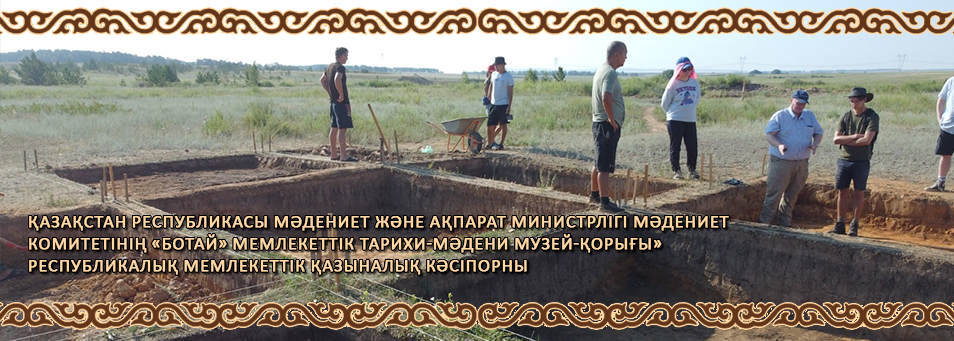
The Great Steppe gave the world horse breeding and equestrian culture. Over time, people learned to breed horses and control wild herds. In the IV-III millennia BC, the climate of the steppes was more humid, and the vegetation was richer. Botai and other objects of Botai culture for more than 40 years have allowed to make a number of scientific discoveries in the ancient history of Kazakhstan and the Eurasian continent as a whole.
The historical significance of the results of the Botai culture research is as follows:
In the steppes of Northern and Central Kazakhstan, a horse was domesticated for the first time on the planet in the IV thousand BC.
Humanity has moved after several million years of evolution from walking to horse communication. This moment was the beginning of the steppe civilization, a dynamic accelerator of the world historical process.
The “Cultural Context” program, dedicated to museum-reserves of Kazakhstan, the development of museum work, as well as the achievements and challenges of archaeological science
The “Cultural Context” program is dedicated to the museum-reserves of Kazakhstan, the development of museum work, as well as the achievements and challenges of archaeological science.
You can watch it on the Khabar TANYM channel.
On 17 November 2023, staff of the State Historical and Cultural Museum-Reserve “Botai” conducted a lecture for students of grades 5–6 of the Yelets Secondary School in the Aiyrtau District on the topic “Botai – the Treasure of the Northern Steppes,” with the aim of promoting the unique archaeological site of the Eneolithic era.
On 17 November 2023, staff of the State Historical and Cultural Museum-Reserve “Botai” conducted a lecture for students of grades 5–6 of the Yelets Secondary School in the Aiyrtau District on the topic “Botai – the Treasure of the Northern Steppes,” with the aim of promoting the unique archaeological site of the Eneolithic era.
The purpose of organizing the lecture was to develop and strengthen in children a sense of love for their native land, as well as to foster patriotism and civic identity through knowledge of the history and culture of their region.
The students were provided with detailed information about the Botai culture and its unique artifacts. In addition, they were introduced to the domestication of the wild horse by the Botai people. Ancient tools and weapons used in everyday life were demonstrated, along with master classes on their production and use. An interactive element of ancient Botai culture was also presented—a hands-on ceramic-making workshop.
The students immersed themselves in the world of the Botai culture, asked questions of interest, and received comprehensive answers.
“Cultural Context”
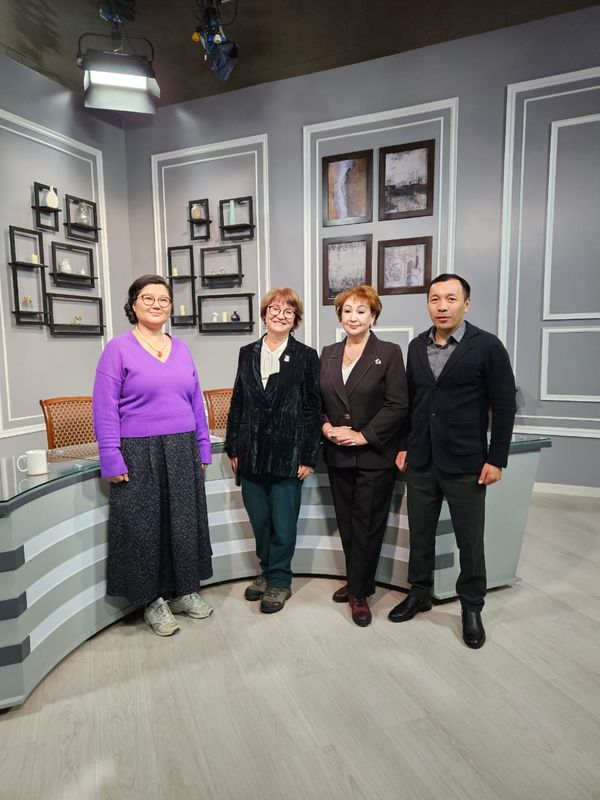
Today, the Director of the State Historical and Cultural Museum-Reserve “Botai” K. G. Shakshakov, together with the Director of the Bozok Museum-Reserve Saule Bokeykhanovna and well-known museologist Galiya Faizulina, took part in the “Cultural Context” program.
This program highlights the most important events in the country’s history, scientific discoveries, phenomena, and their impact on the lives of both individuals and entire generations.
In today’s episode, the achievements of archaeological science in Kazakhstan, museum work and tourism, the concept of museum-reserves and its implementation in the regions, preserved traditions, and the role of museums in the cultural development of museum-reserves were discussed.

“Botai Today” #3
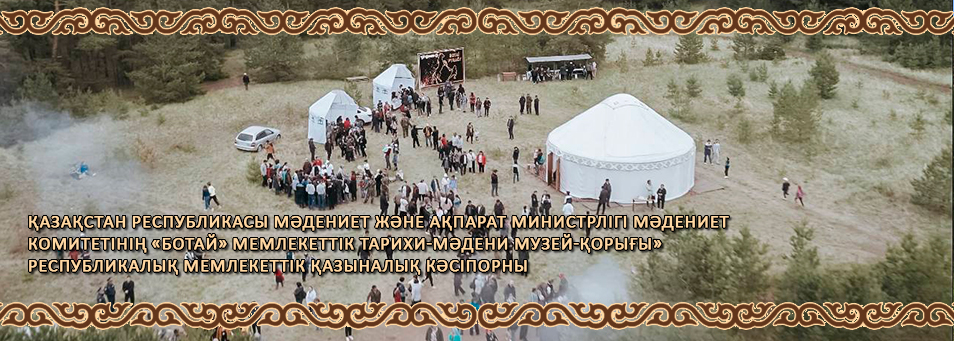
Since 2022, within the framework of the “Night of Museums” campaign, the State Historical and Cultural Museum-Reserve “Botai” has been organizing the “Botai Pyragy” festival dedicated to International Museum Day (18 May).
The “Botai Pyragy” festival is aimed at popularizing the Botai settlement as a unique archaeological monument of the Eneolithic era, which contributed to the development of the world’s horse-based steppe civilization, as well as craft and worldview traditions. Large-scale festival events of this kind help attract the global scientific community to the historical and cultural heritage sites of Kazakhstan.
Over the past two years, several platforms have been operating in parallel on the territory of the “Botai” settlement. Guests and visitors to the museum who came to this site were able to enjoy theatrical performances such as horse domestication, grinding plant roots, cleaning horse hides, making stone discs, and preparing the traditional national drink – kumis. They also had the opportunity to create replicas of ancient artifacts with their own hands, ride horses, and enjoy the traditional swing “altybakan,” among other activities.
In addition, competitions in javelin throwing and archery were organized for museum guests, with winners receiving diplomas and commemorative gifts. The event concludes with a theatrical performance called “Calling of the Ancestors’ Spirit” and the lighting of the “Botai Fire.” Over the course of two years, more than 2,000 visitors have taken part in the event.