


The Great Steppe Gave the World Horse Breeding and Equestrian Culture
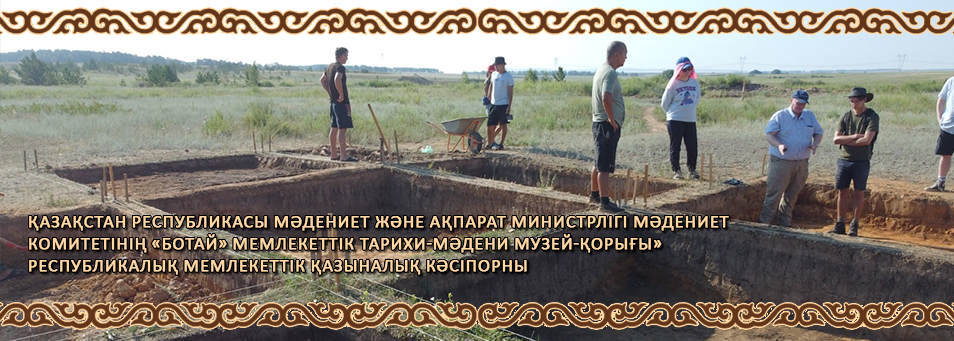
The Great Steppe gave the world horse breeding and equestrian culture. Over time, people learned to breed horses and control wild herds. In the 4th–3rd millennia BCE, the steppe climate was more humid and vegetation was richer. Botai and other sites of the Botai culture, studied over more than 40 years, have enabled a number of scientific discoveries in the ancient history of Kazakhstan and the Eurasian continent as a whole.
The historical significance of the results of Botai culture research lies in the following:
For the first time on the planet, in the 4th millennium BCE, the horse was domesticated in the steppes of Northern and Central Kazakhstan.
After several million years of evolution, humanity transitioned from pedestrian communication to horse-based mobility. This moment marked the beginning of steppe civilization and became a dynamic accelerator of the global historical process.