

“Conservation and Restoration of Museum Exhibits in Leading Foreign Restoration Laboratories”
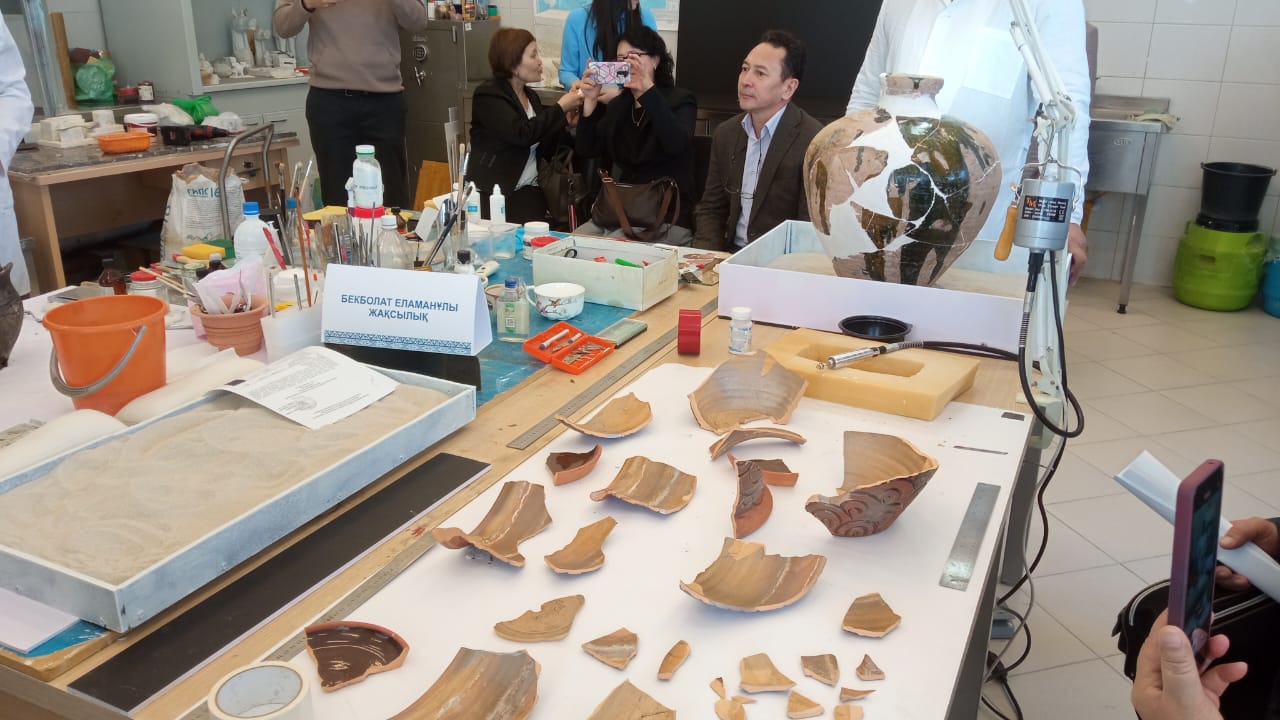
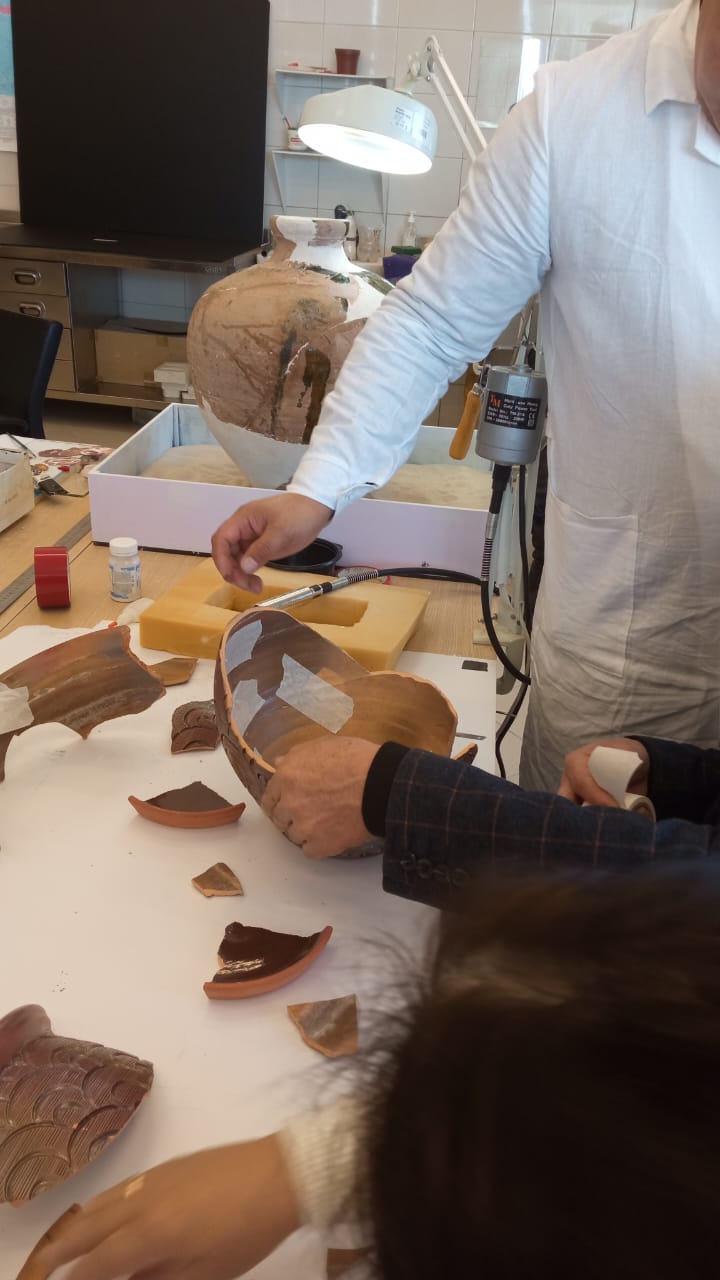
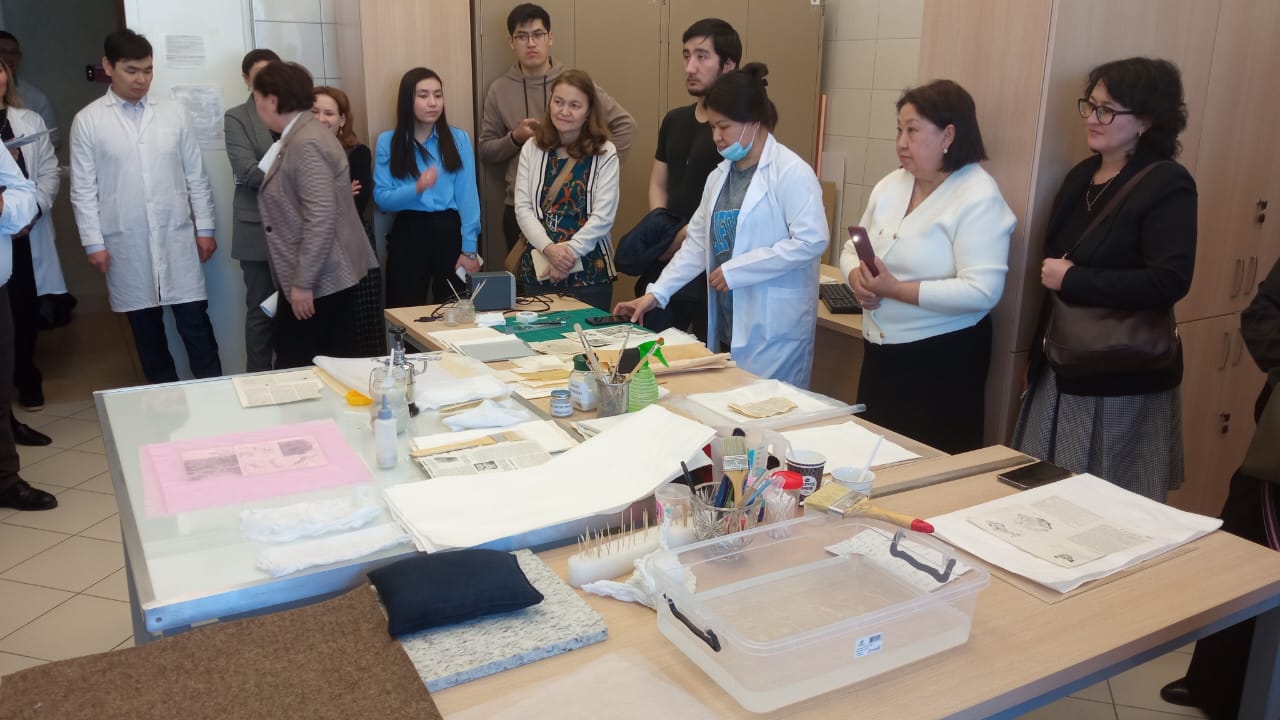
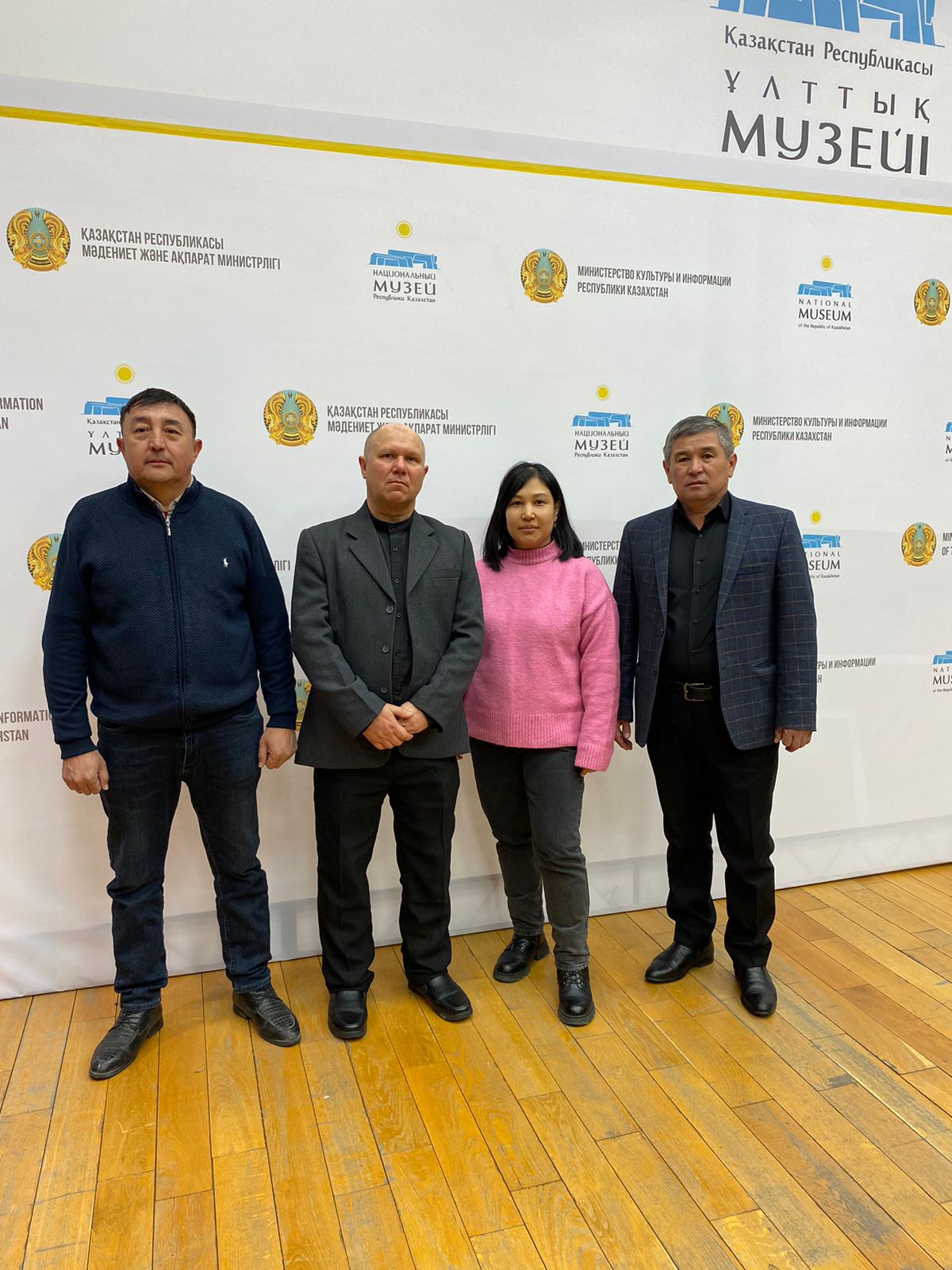
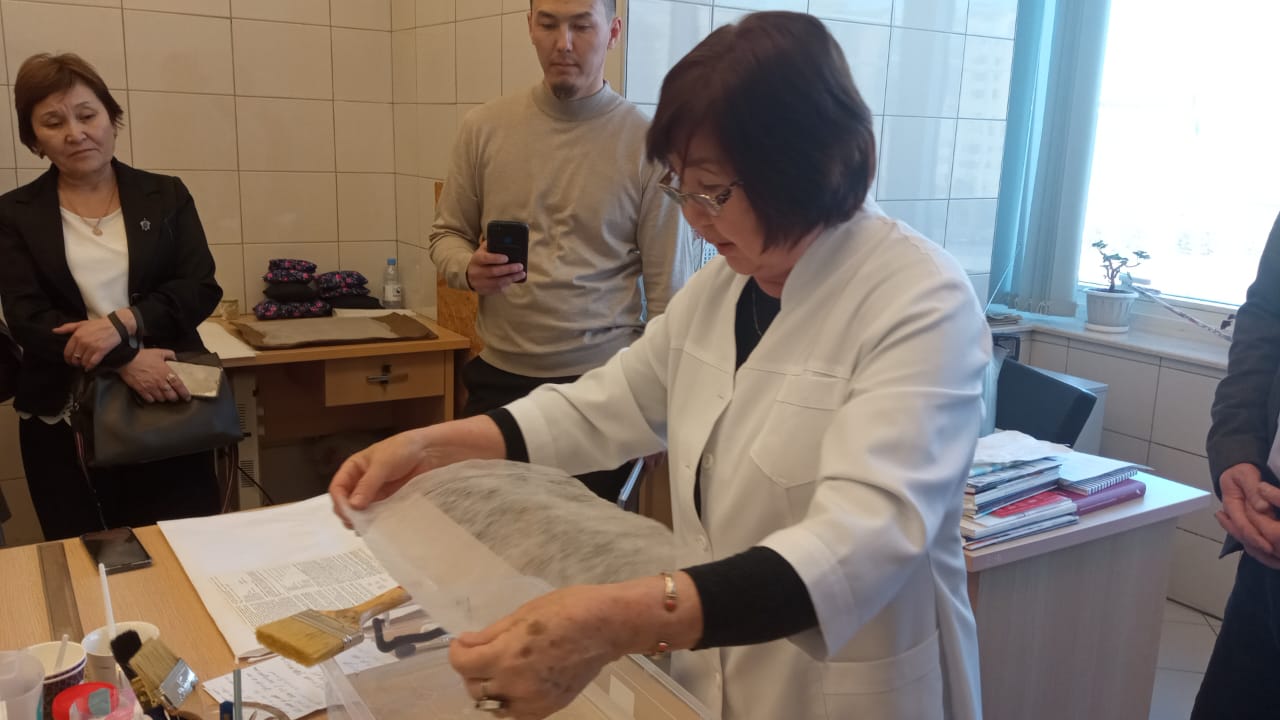
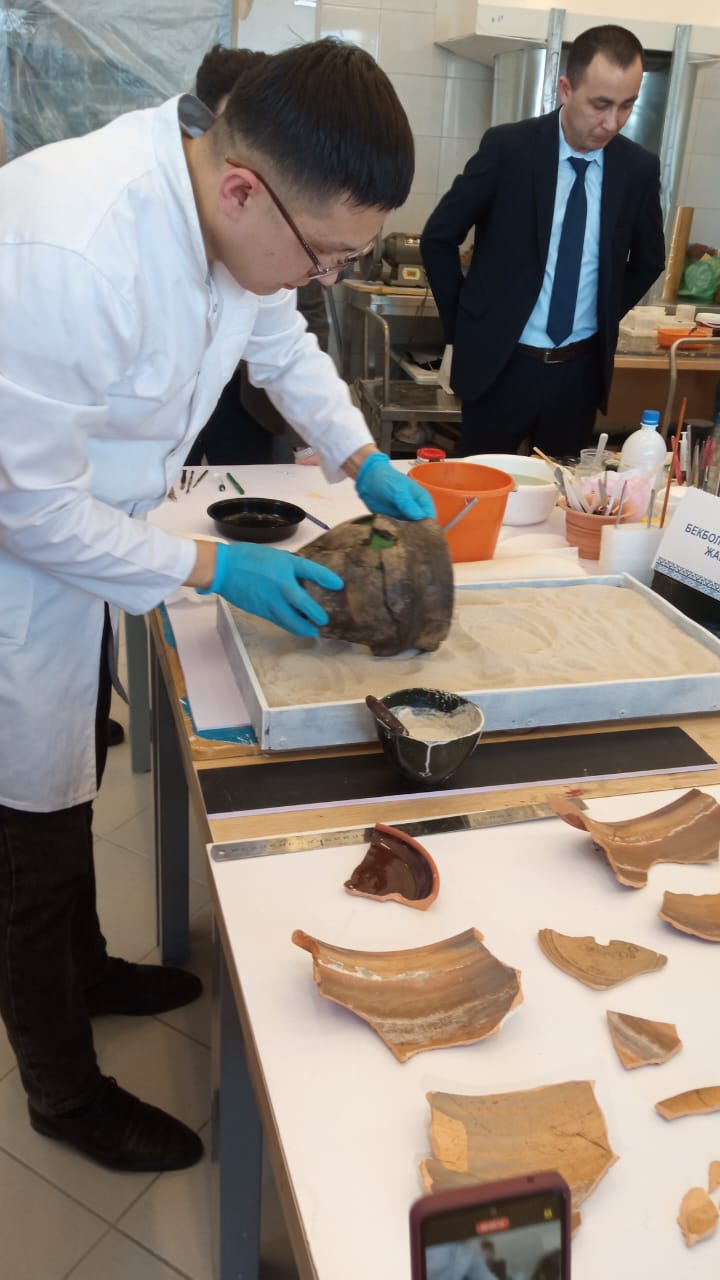
Today, on February 29, at the National Museum of the Republic of Kazakhstan, a professional development seminar is being held to exchange experience gained within the framework of the project “Conservation and Restoration of Museum Exhibits in Leading Foreign Restoration Laboratories.” The painter-restorer of the State Historical and Cultural Museum-Reserve “Botai,” Yuri Tikhonov, is participating in this seminar.
The purpose of the seminar is to exchange experience and results in restoration work in modern museum practice, to promote museum activities in contemporary directions, to improve the scientific research and cultural-educational functions of museums, to popularize the role of museums in preserving the country’s historical and cultural heritage, and to enhance the image of museums.
Botai – the Culture of the Great Steppe
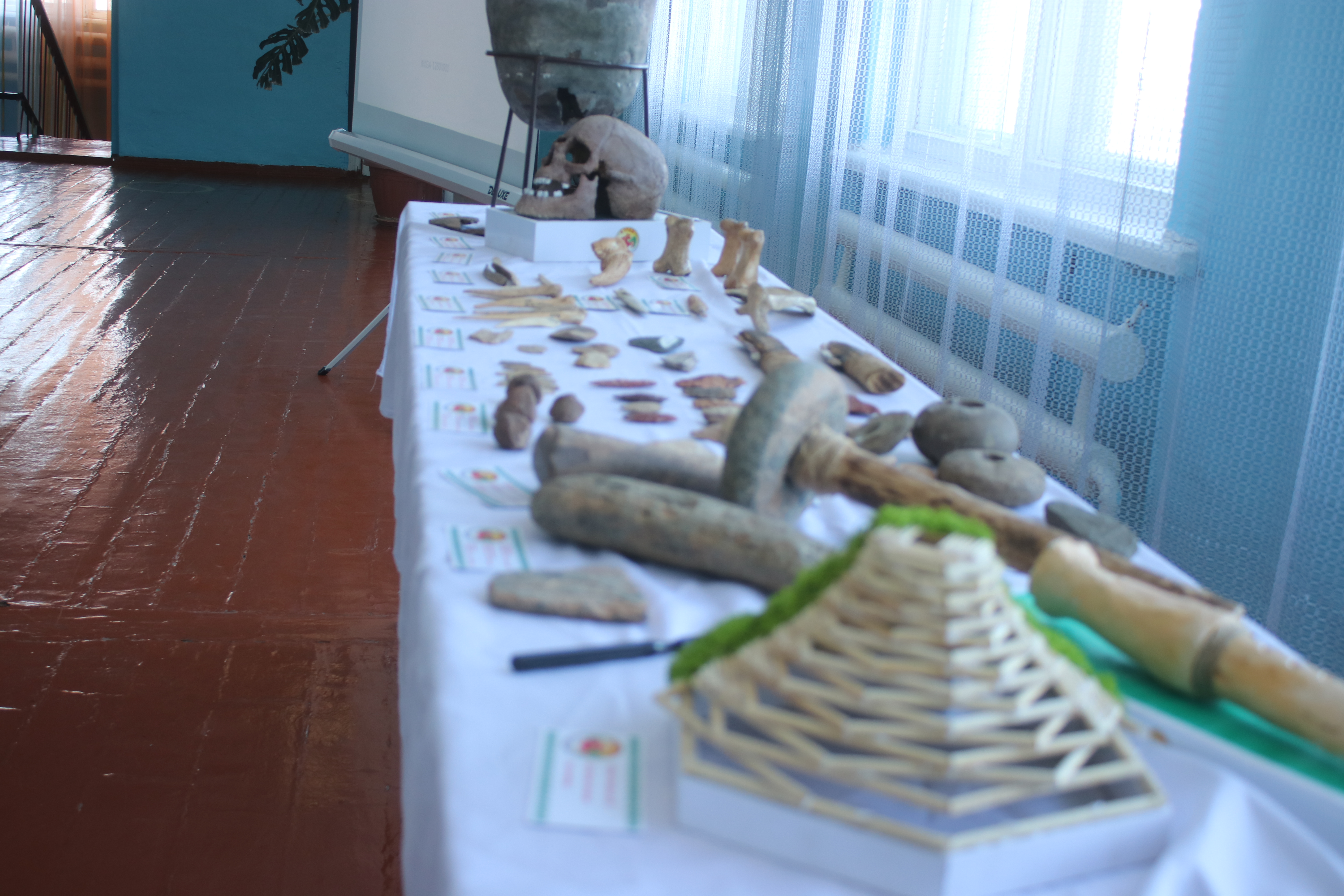
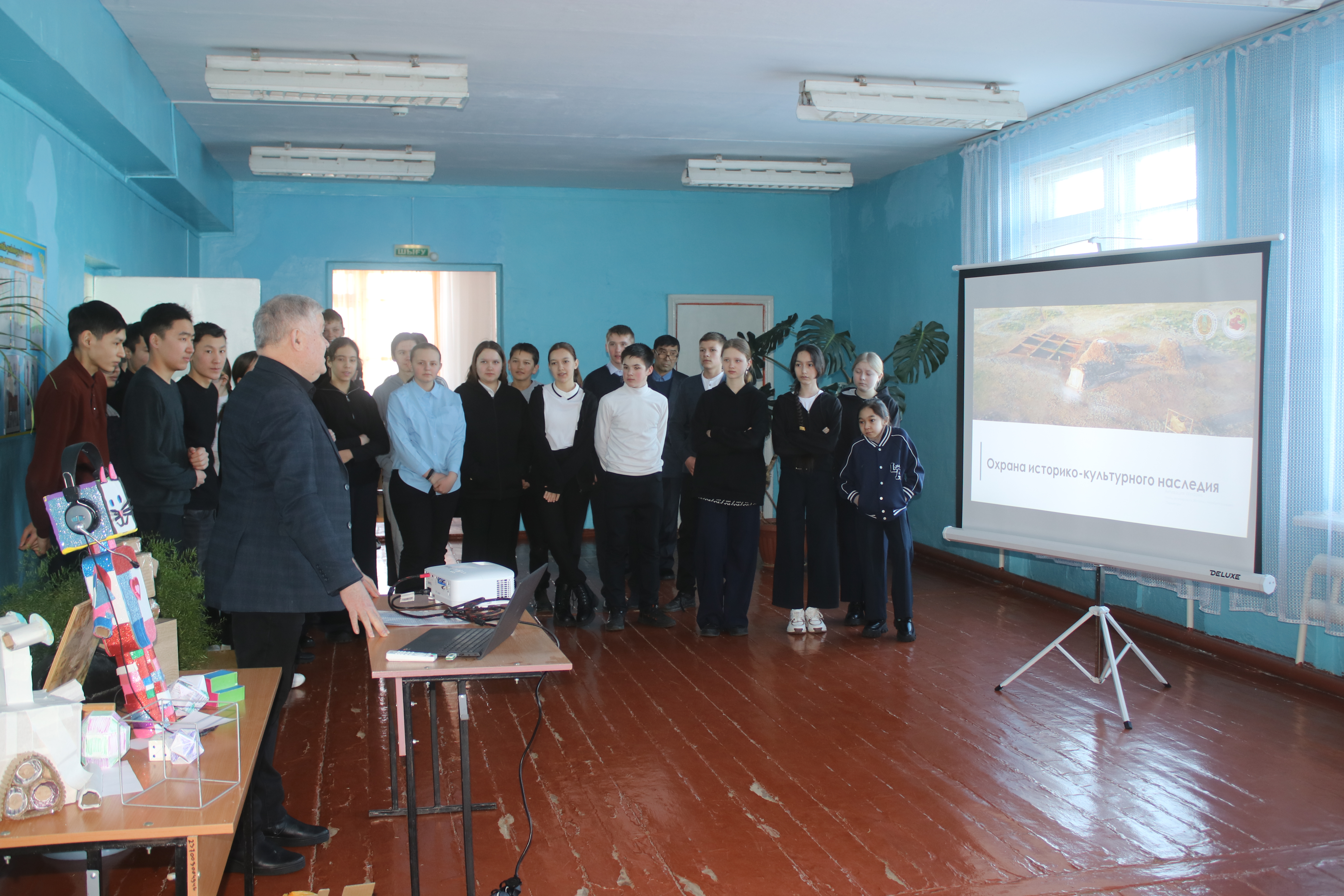
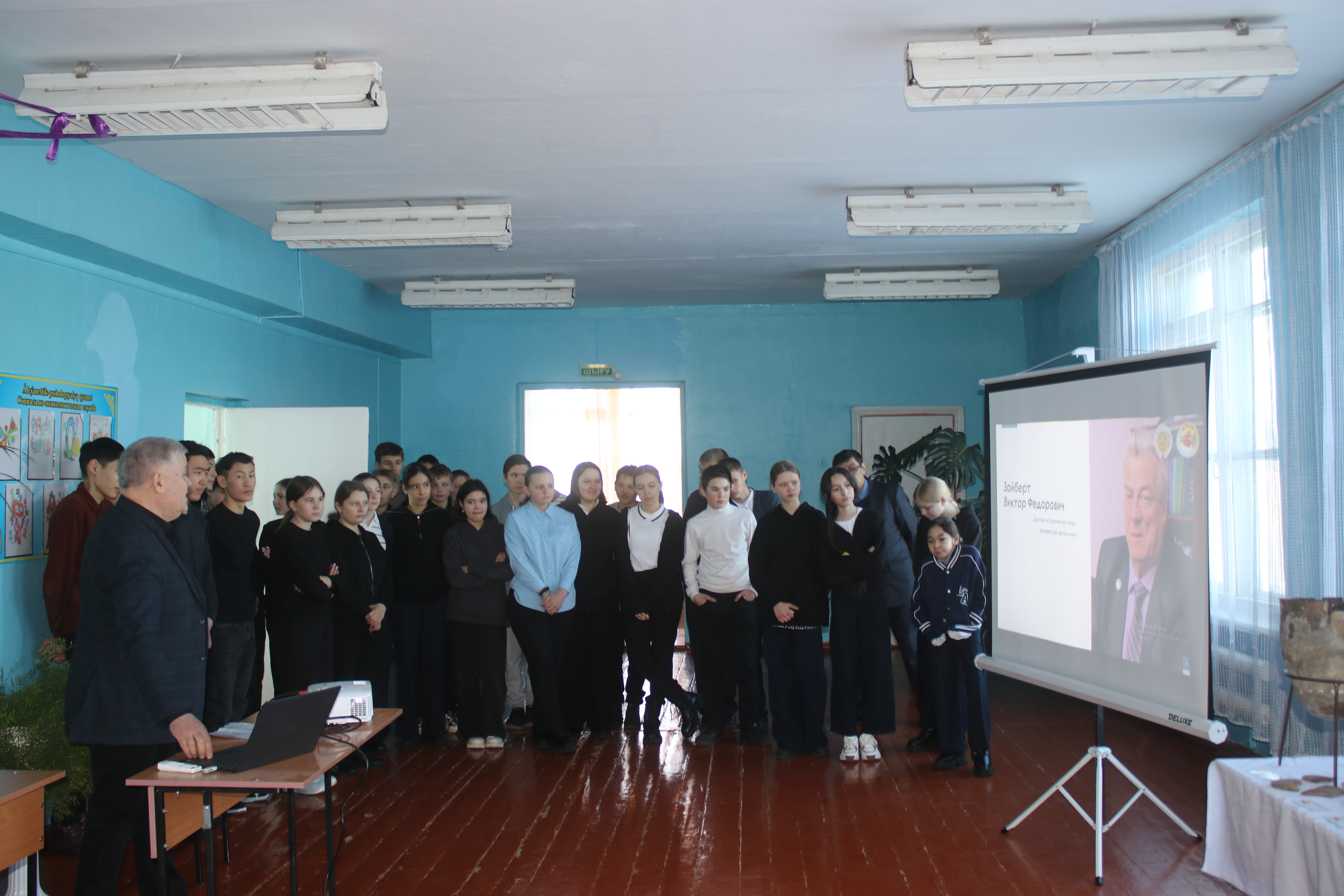
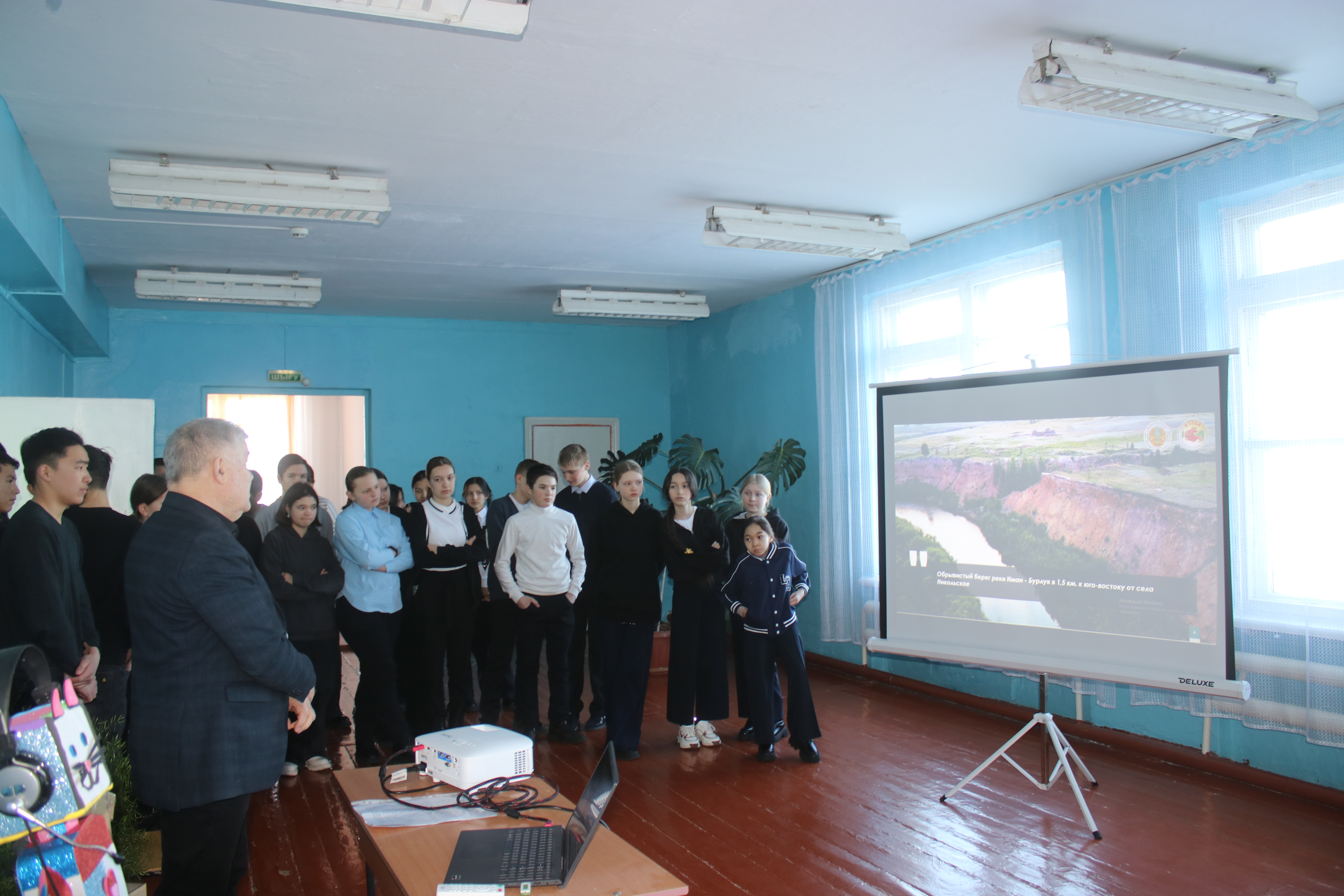
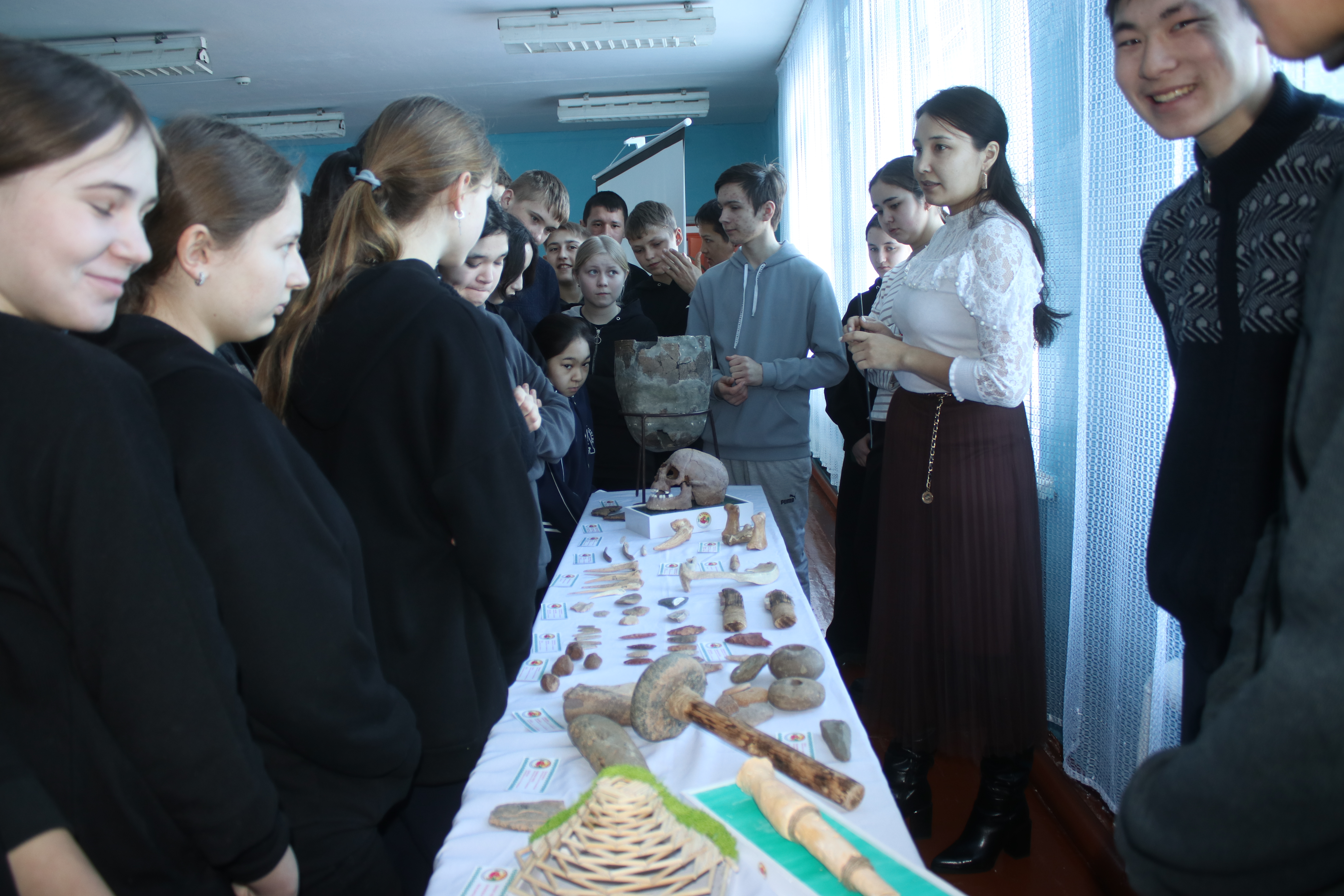
Today, on February 28, 2024, at the secondary school of the village of Kamenny Brod in Aiyrtau District, staff members of the State Historical and Cultural Museum-Reserve “Botai” organized an exhibition and lecture on the topic “Botai – the Culture of the Great Steppe.” The exhibition was attended by school students and teachers.
The exhibition presented the unique Botai culture as a center of horse domestication. A number of artifacts were displayed, including a bone knife (discovered during archaeological excavations at the Botai settlement), a human skull from the Eneolithic period showing signs of trepanation, an ancient surgical lancet, a bone harpoon used for hunting and fishing, fragments of Botai pottery, and many other findings.
During the event, the Chief Inspector of the Botai Museum-Reserve, Vladimir Iskrizhitsky, emphasized in his speech the importance of preserving archaeological monuments, the necessity of treating them with care, studying national history, and promoting and safeguarding the rich cultural heritage of the region and the Republic of Kazakhstan for the younger generation.
Journey to the Artifacts of the Botai Culture
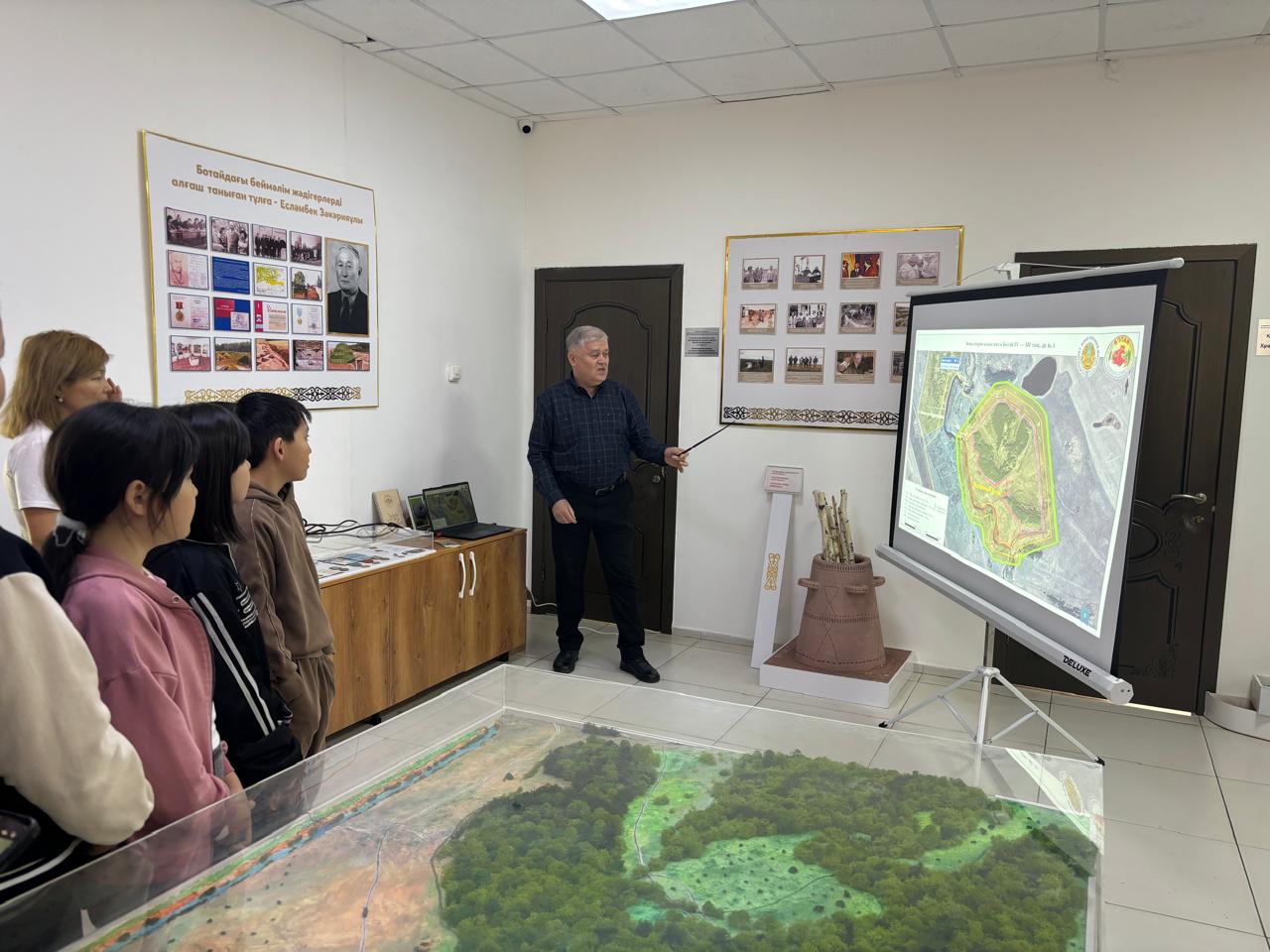
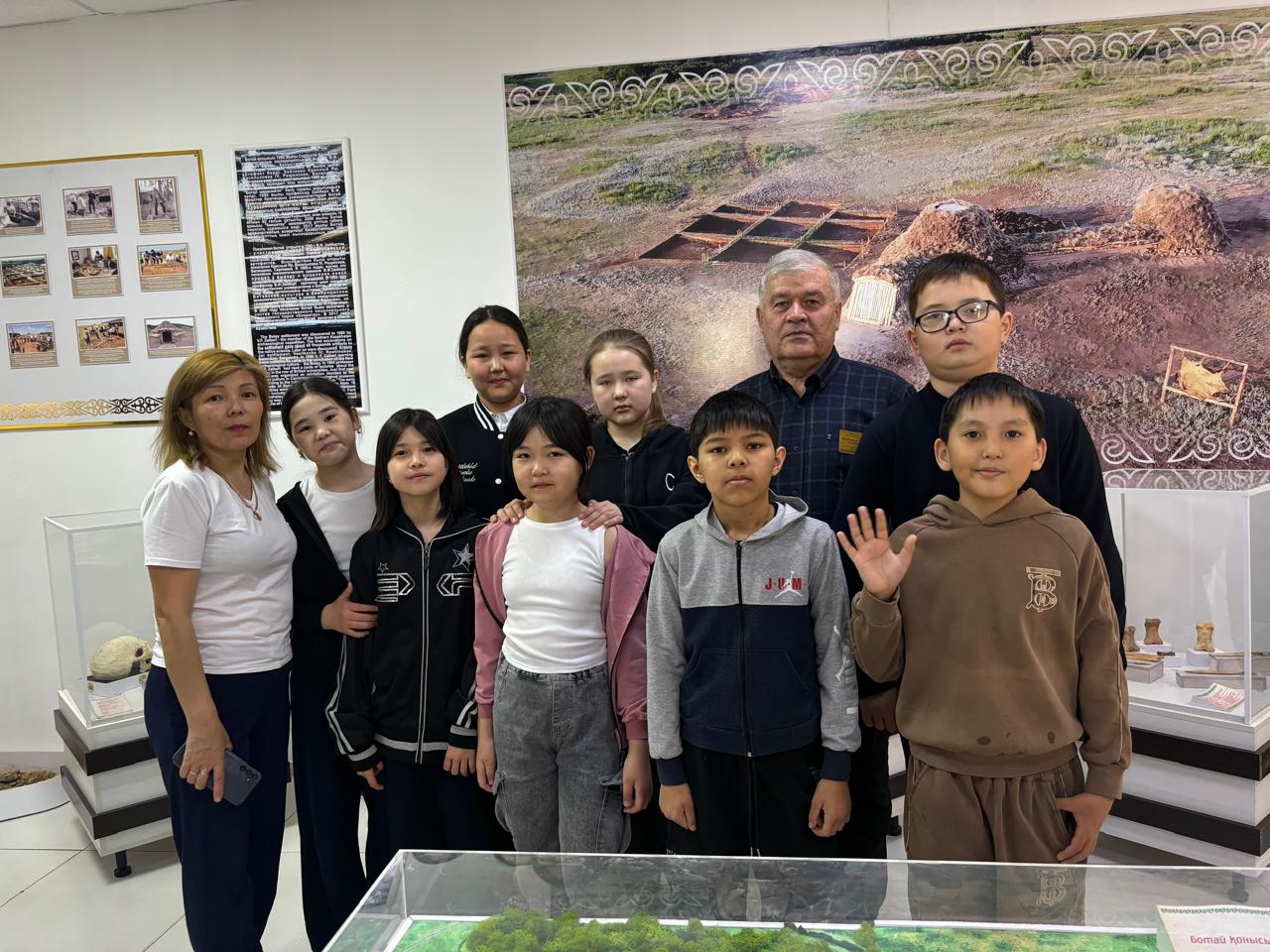
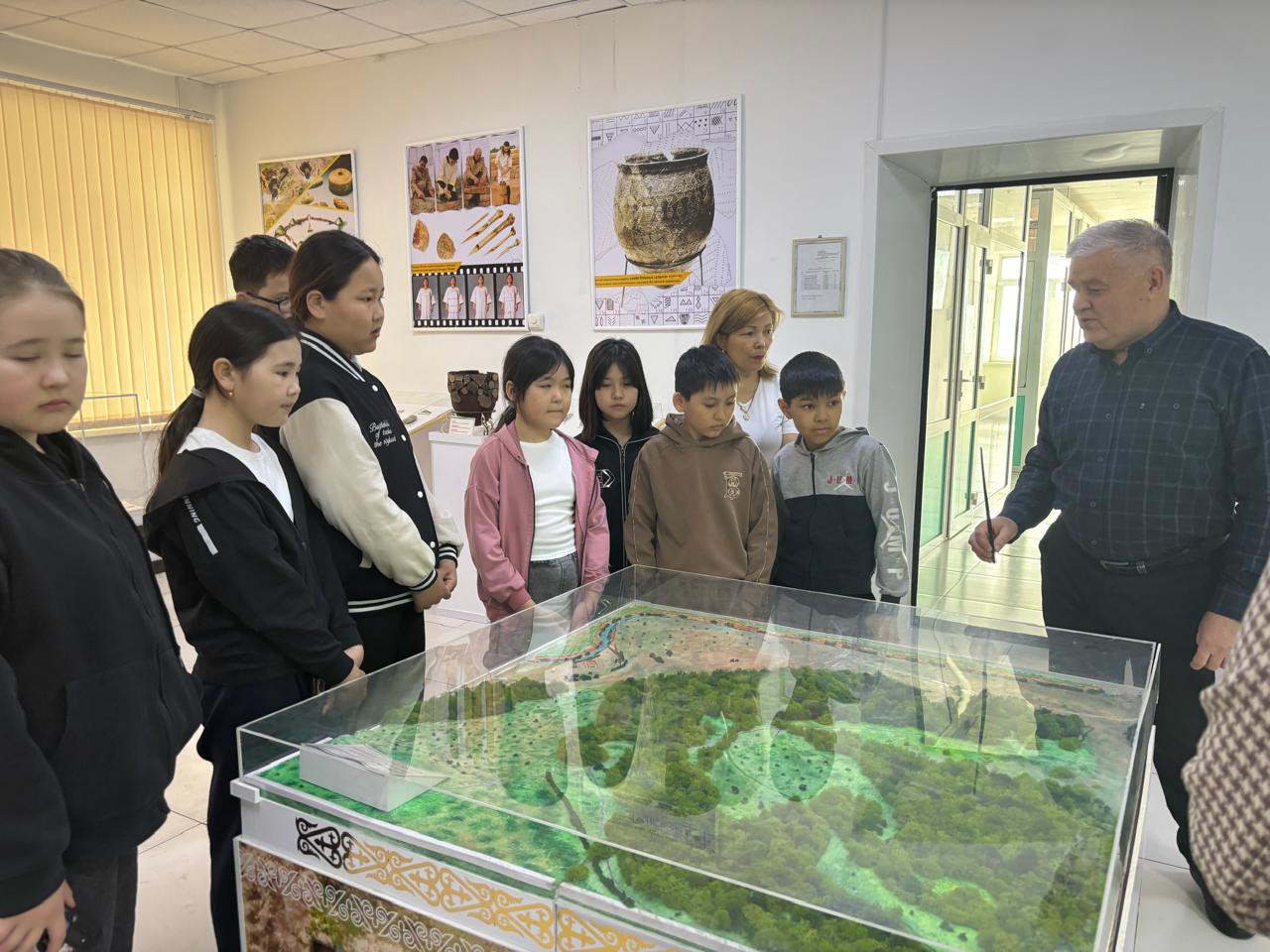
On February 7, 2023, a thematic excursion was organized for 6th-grade students of School-Gymnasium No. 2 in Saumalkol in the exhibition hall of the State Historical and Cultural Museum-Reserve “Botai” on the topic “Journey to the Artifacts of the Botai Culture.”
The purpose of the thematic excursion was to introduce students to the professions and daily life of ancient people.
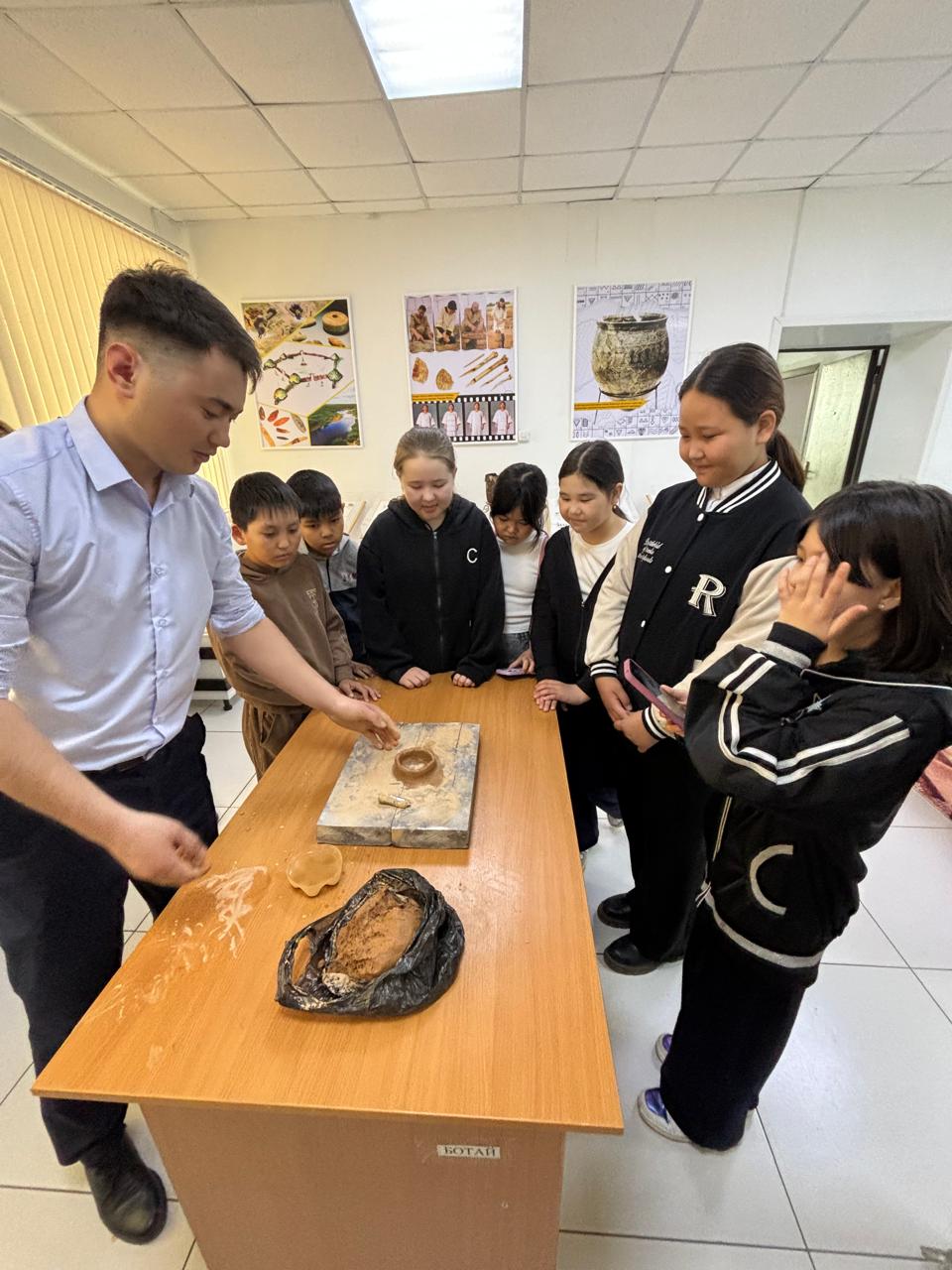
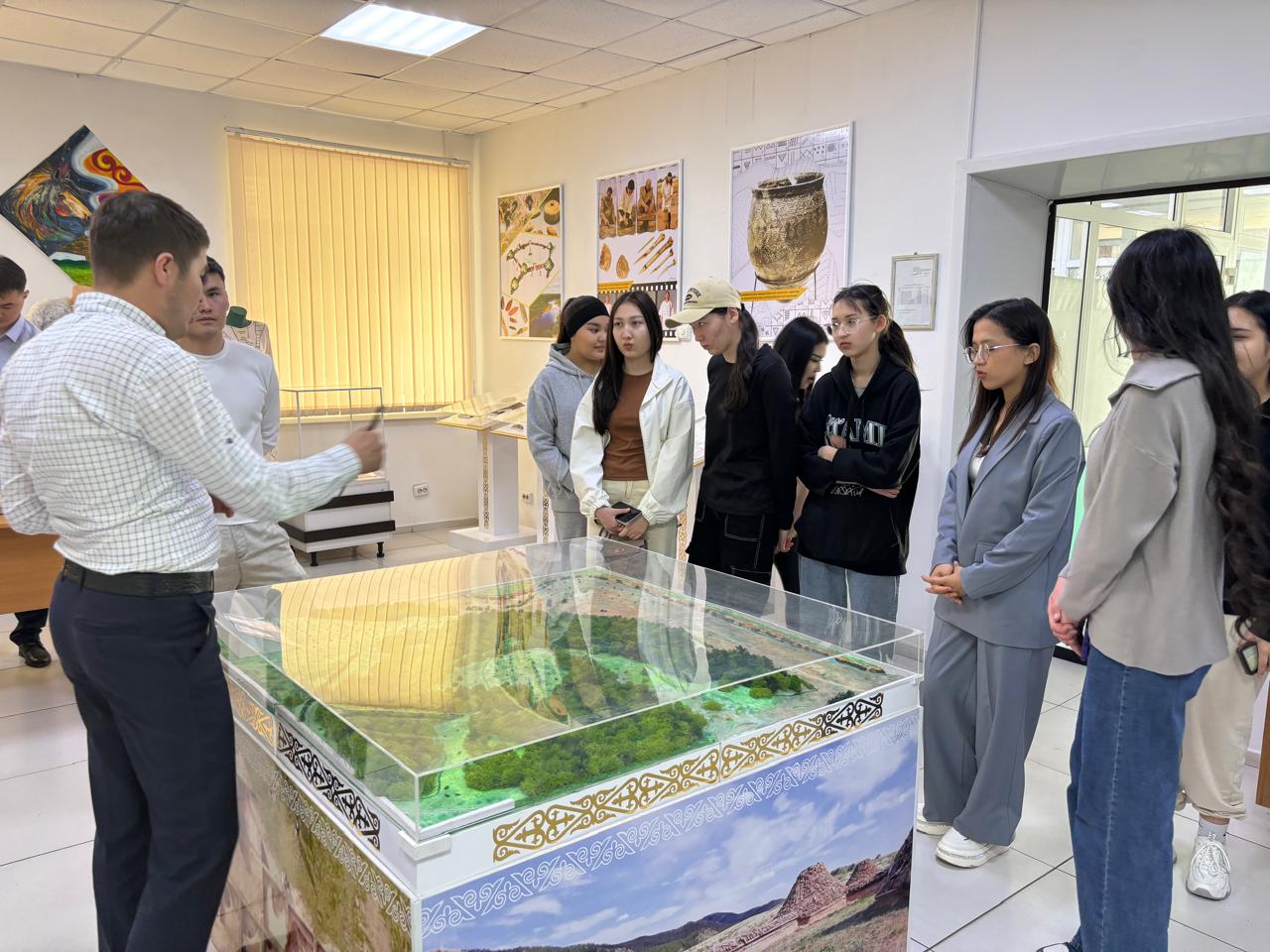
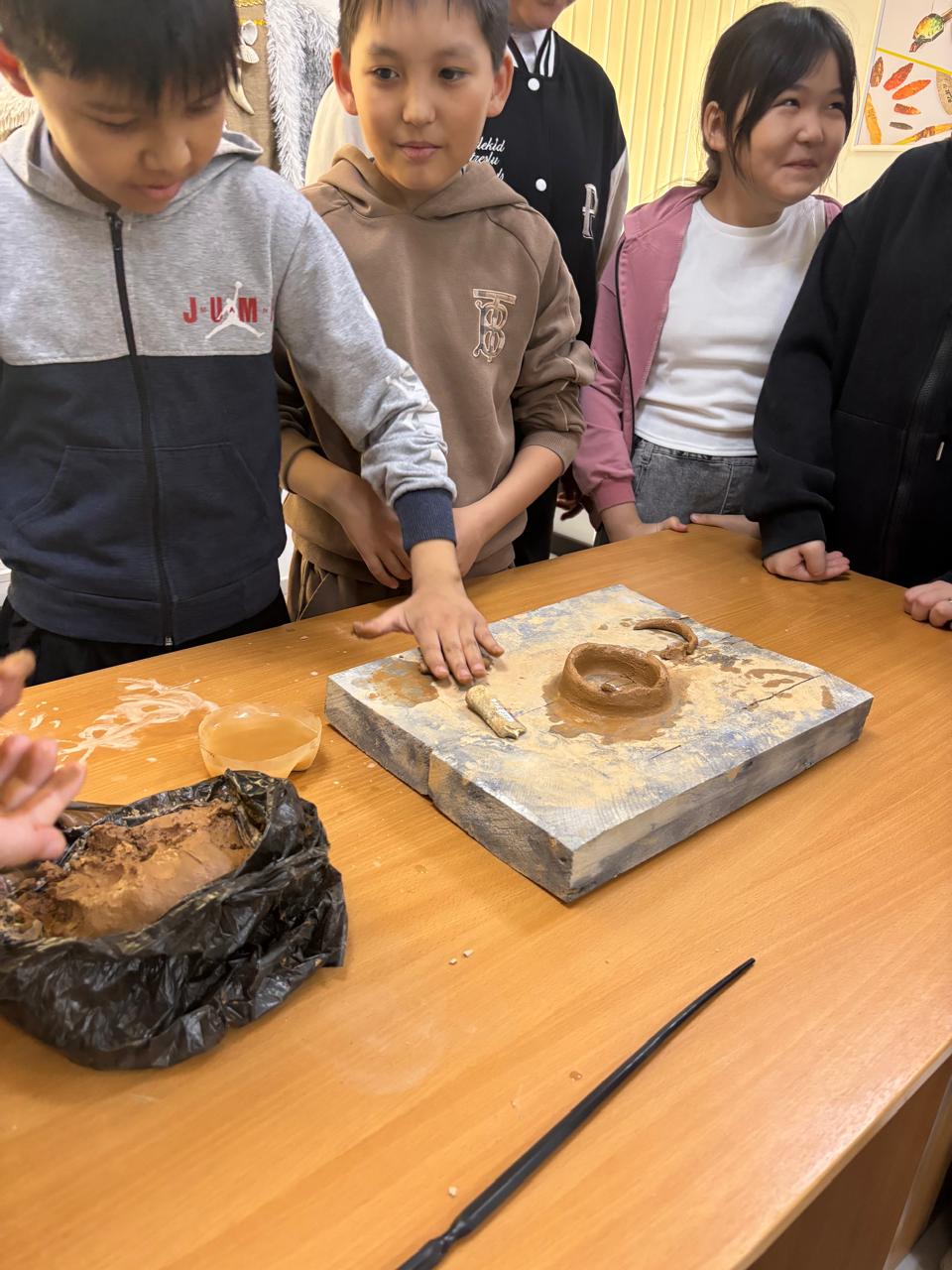
During the excursion, museum staff shared information with the students about the discovery, history, and research of the Botai culture. The students were also presented with materials on the reconstruction of ancient Botai dwellings, the domestication of wild horses, and Botai pottery.
During the excursion, the students saw ancient tools and weapons used in everyday life by the Botai people and gained unforgettable impressions.