foto1
foto1
foto1
foto1
foto1
foto5

The young archaeologist

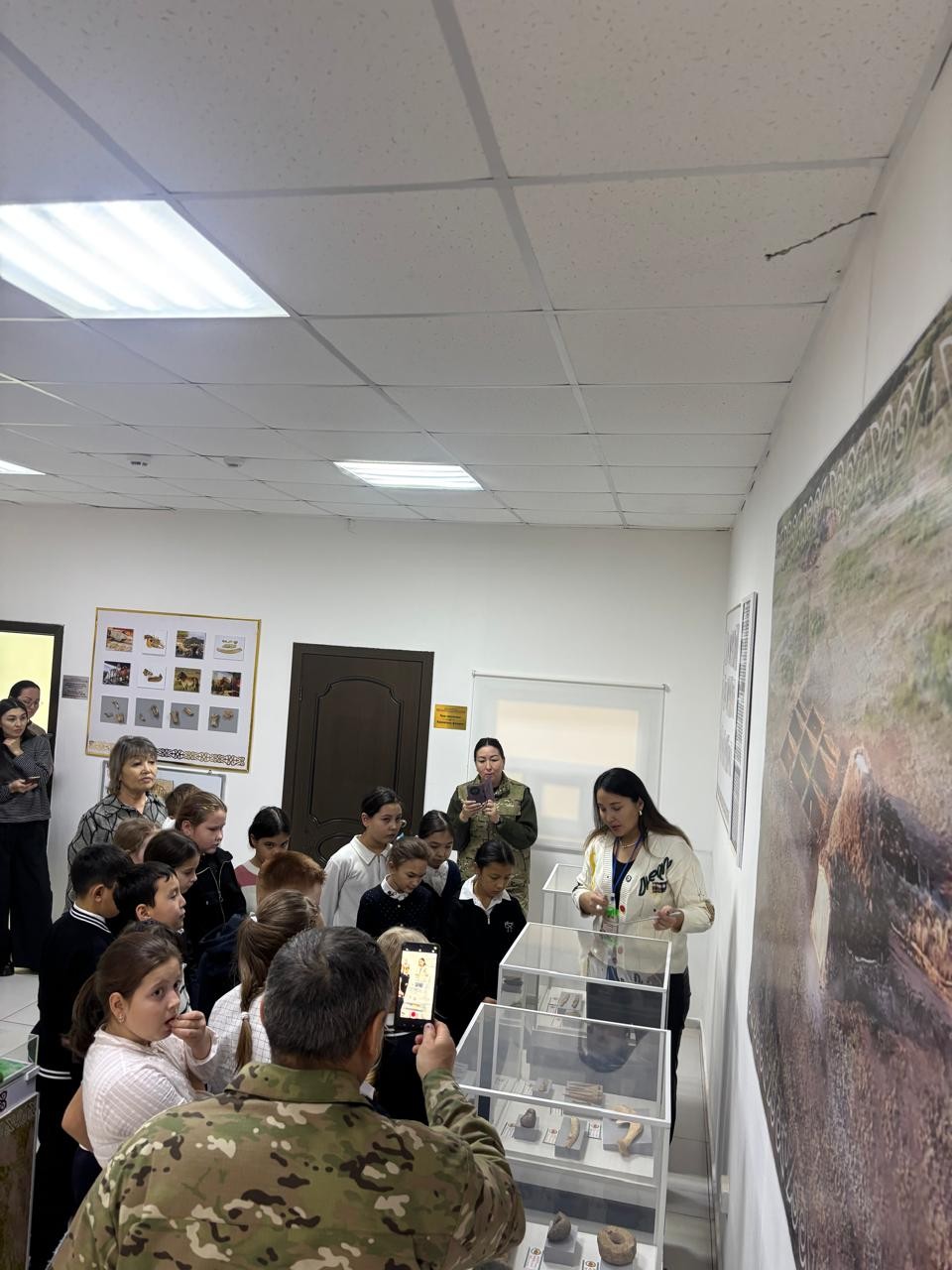
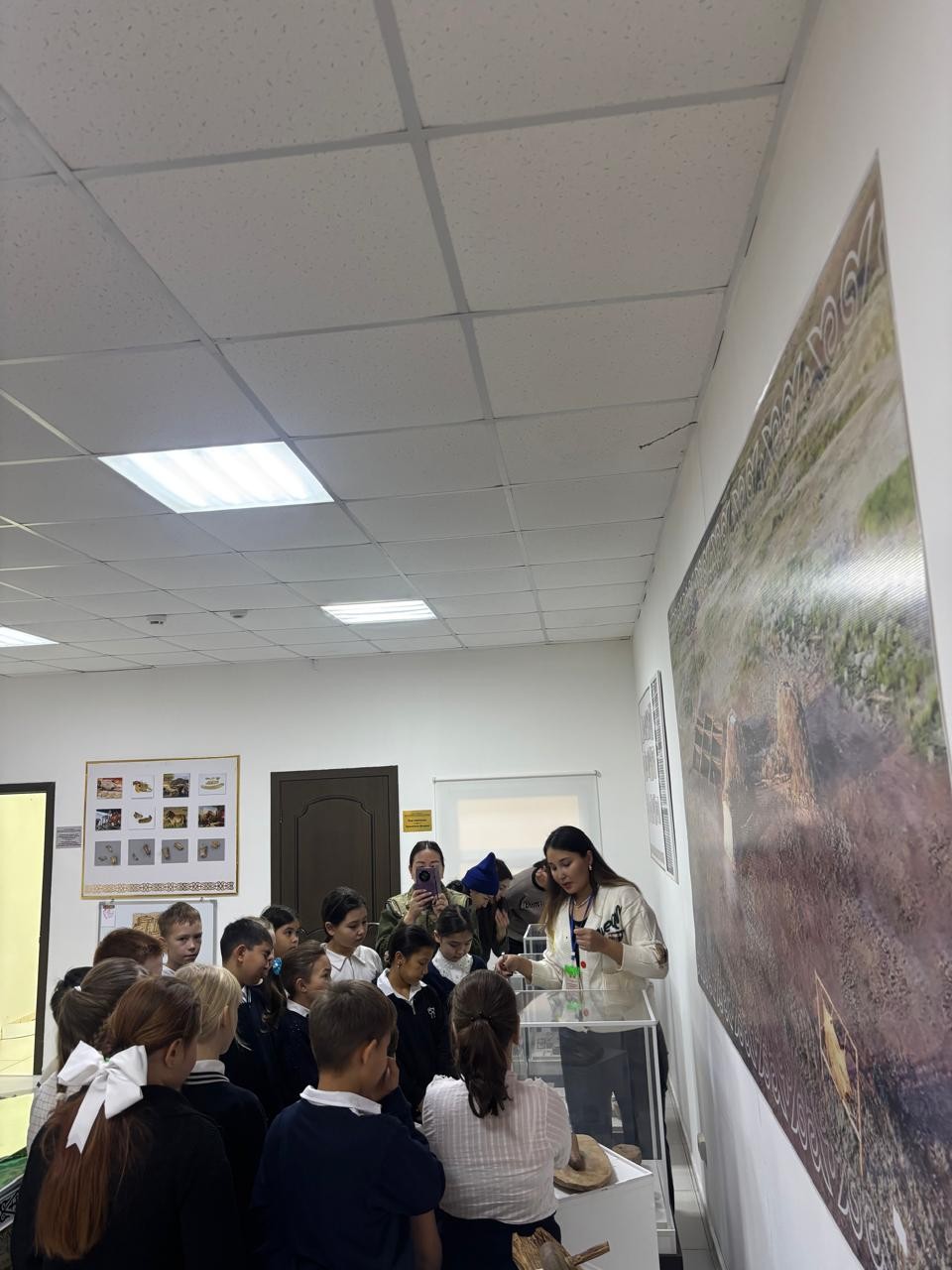
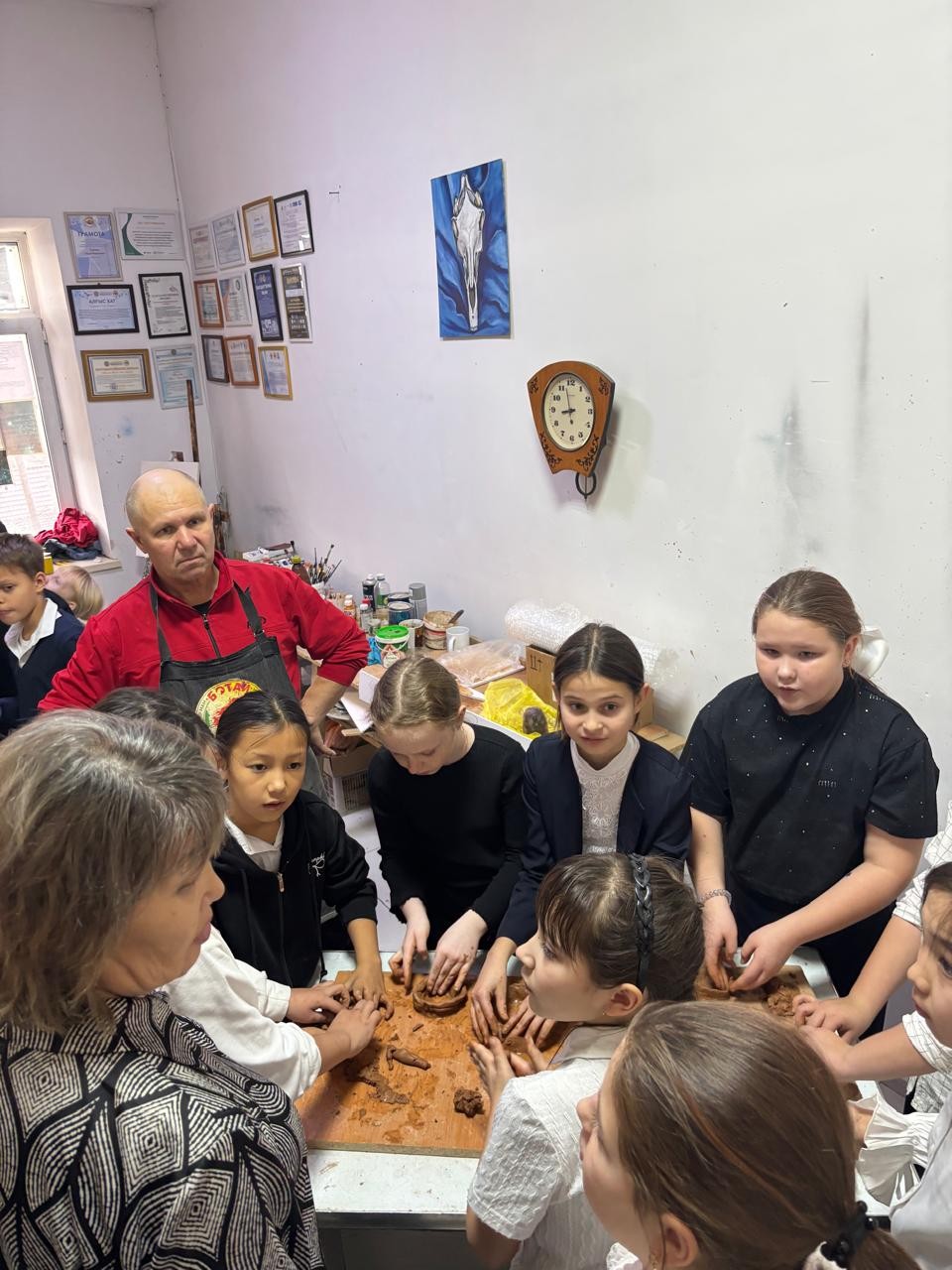
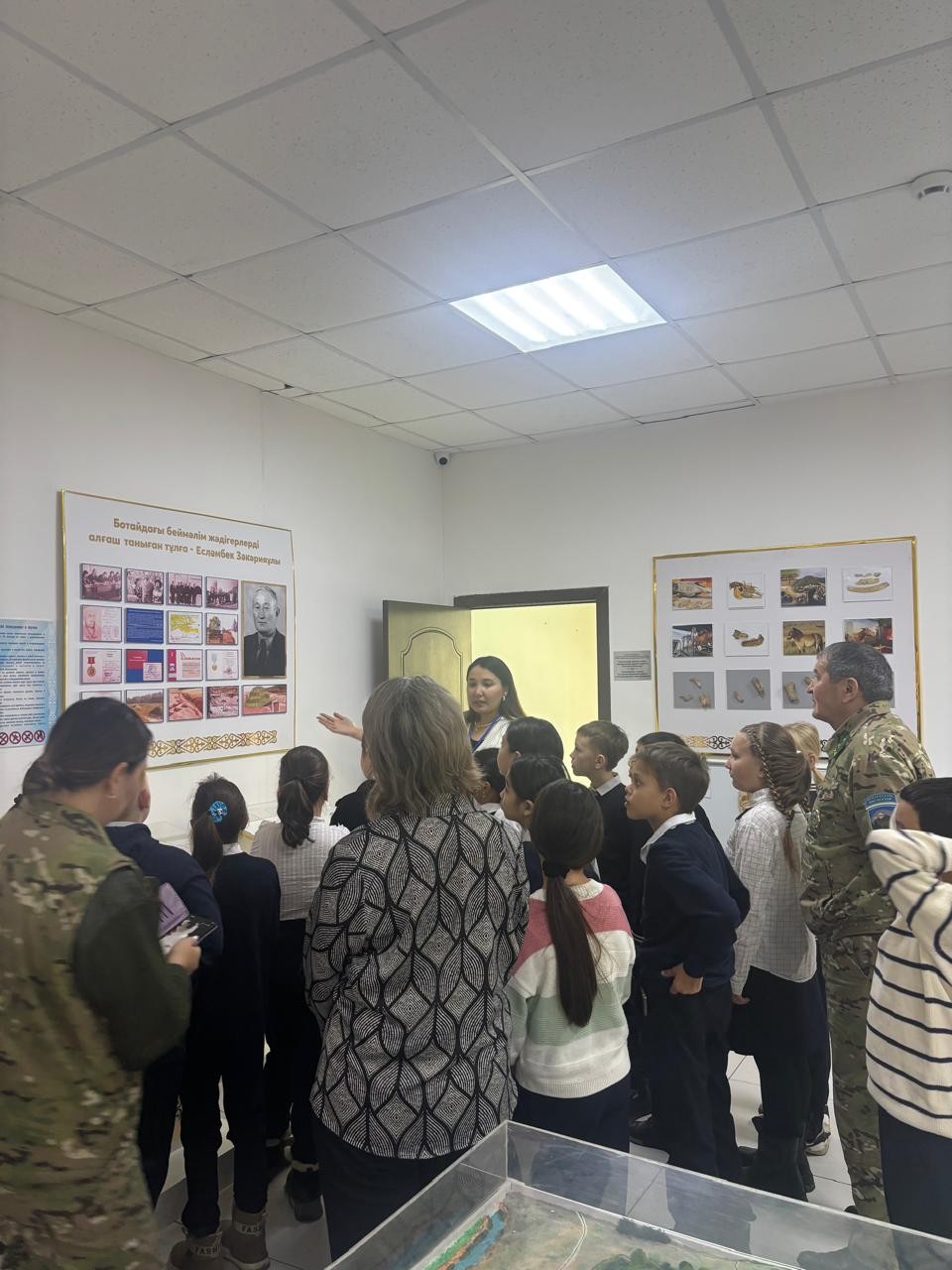
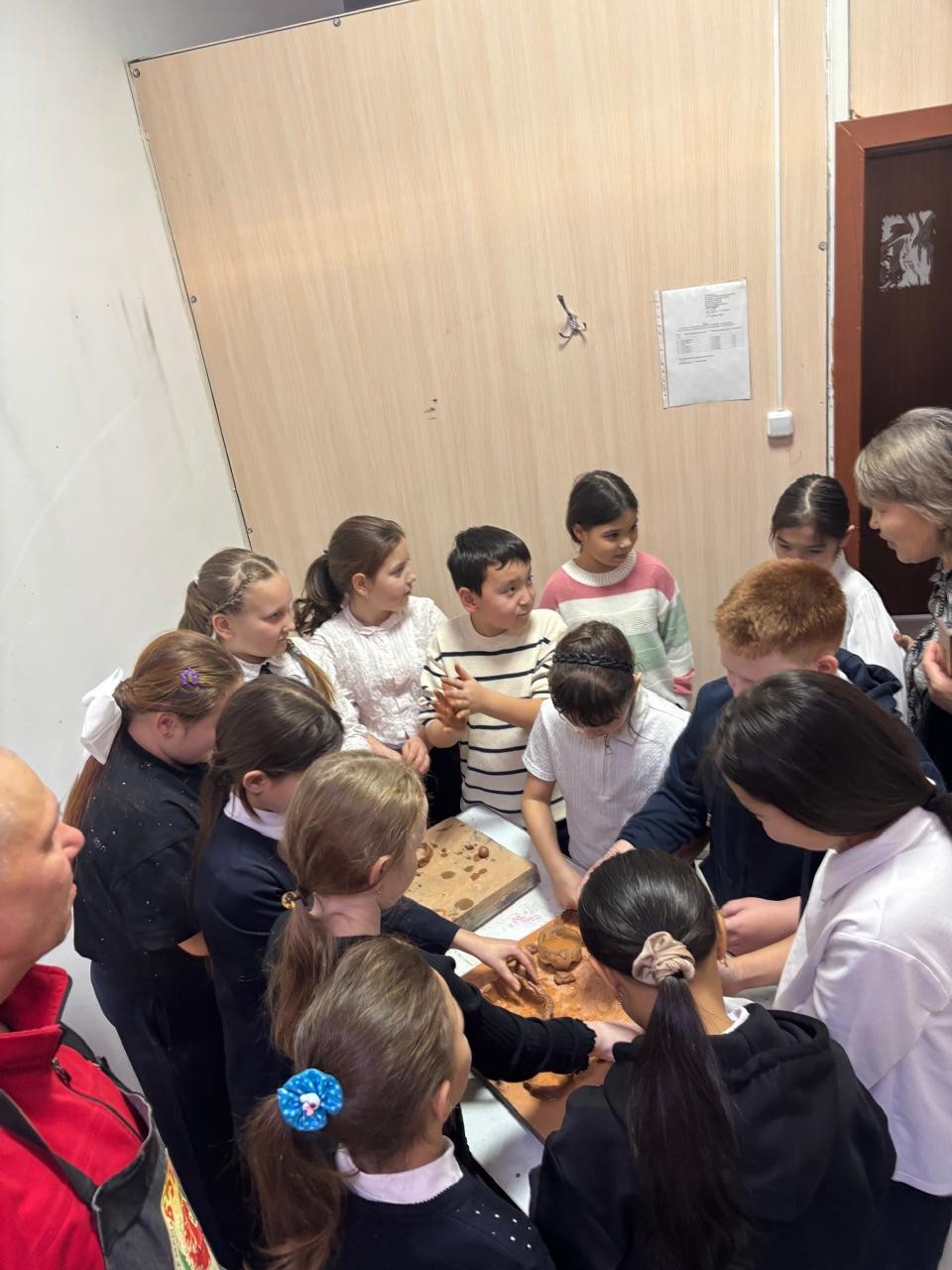
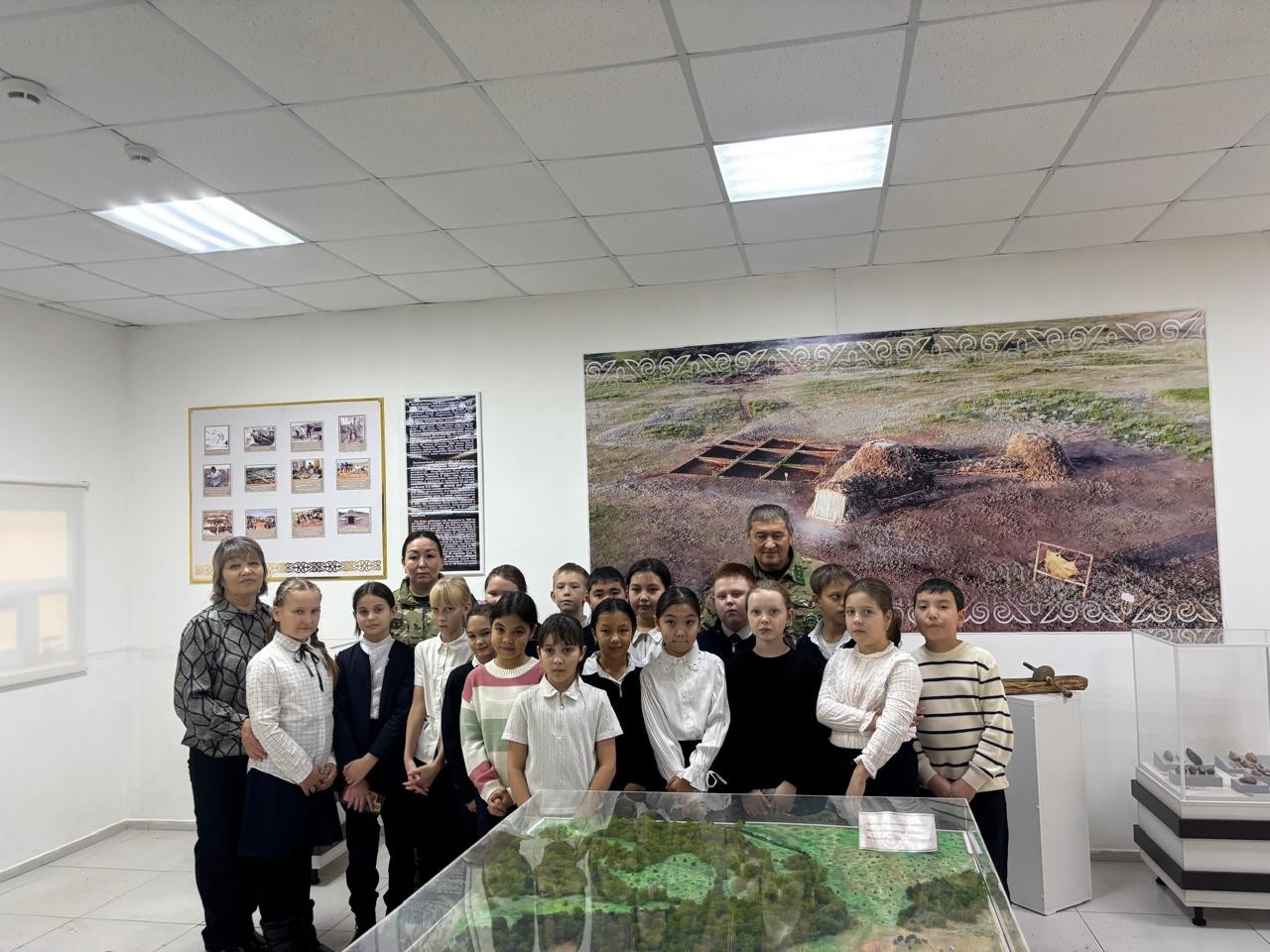
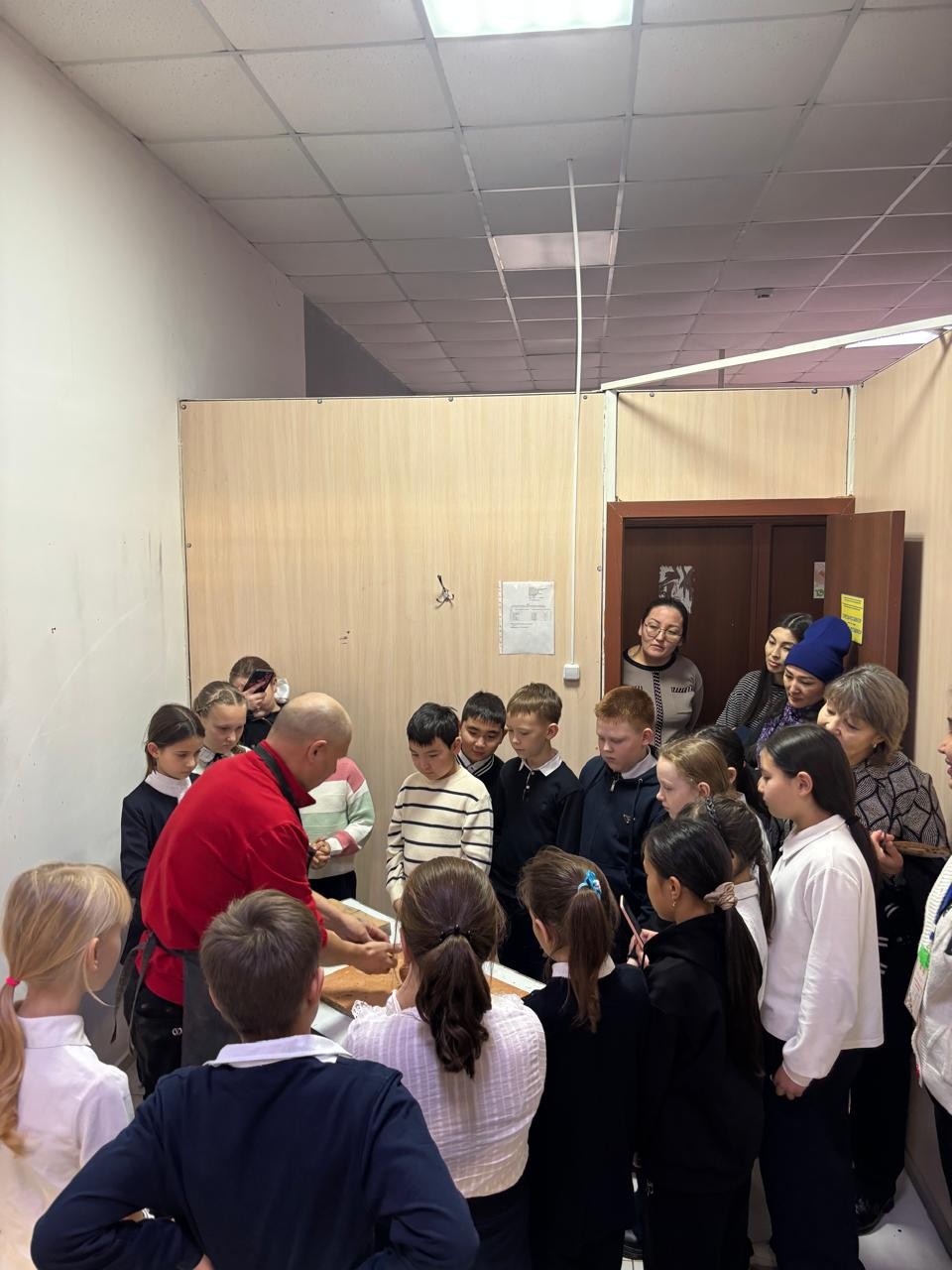
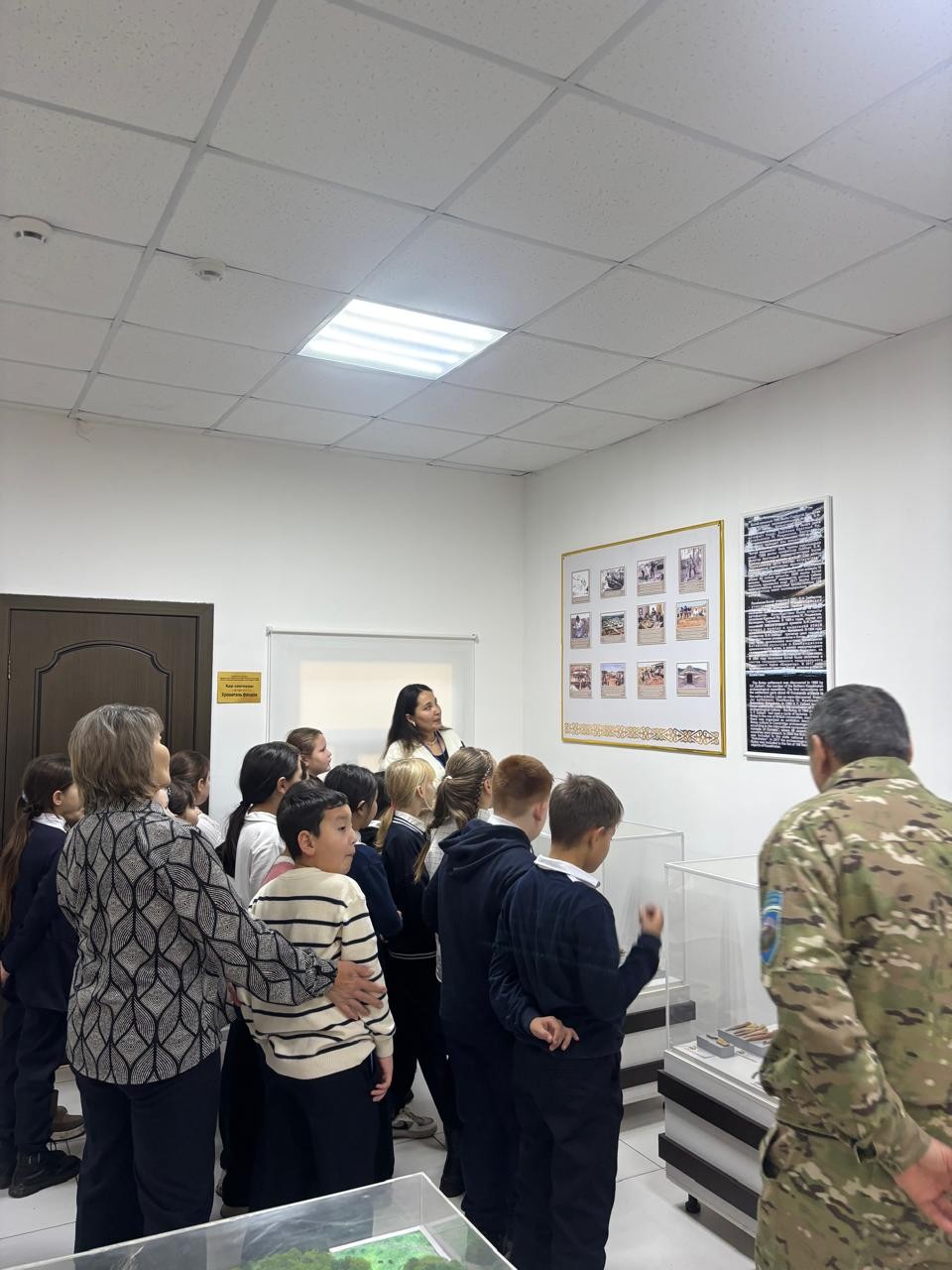
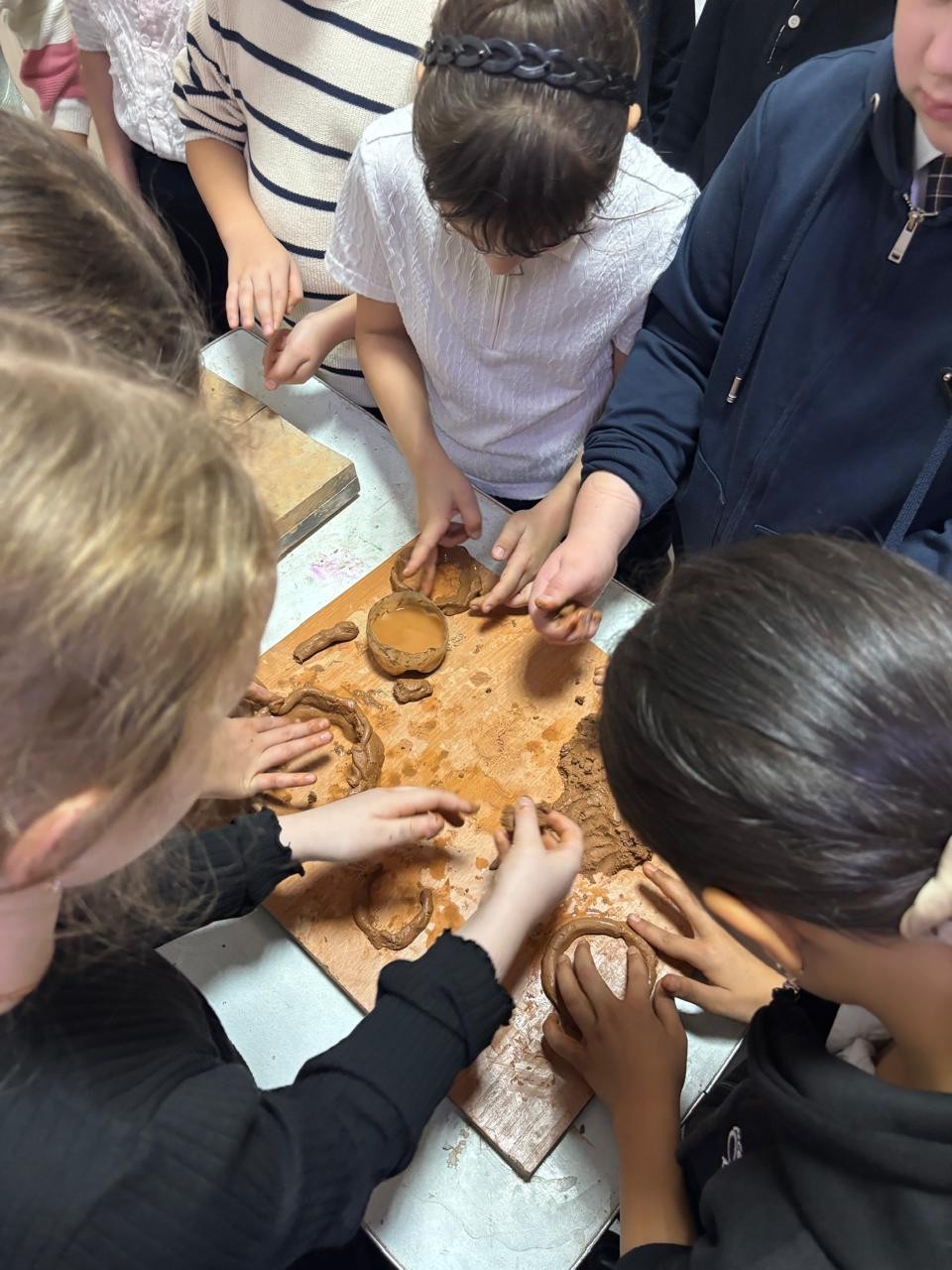
Today, the participants of the Young Archaeologist circle at the Botai State Historical and Cultural Museum-Reserve took part in a master class on making ceramic vessels. The guys got acquainted with ancient Botai technologies and tried to work with clay with their own hands.

During the master class, everyone was able to create a small vessel, feeling like a true master of antiquity. Such classes help children to understand history more deeply, develop creativity and respect for cultural heritage.


11

11 11

"Pottery of the Botai Culture"

The Botai Museum-Reserve contains various exhibits from the Chalcolithic era, including ceramics.

Today, we present to you a reconstructed ceramic dish made from fragments of ceramic found in the Botai settlement. The bottom of the vessel is round, as the bottom is barely visible, making the vessel unstable. The surface is carefully crafted, and various ornaments can be seen on the surface of some ceramic vessels. The main motifs of the ornamentation include wavy and straight lines, a comb, and geometric shapes.

The vessel is a type of kitchen utensil, and due to the presence of soot on its surface, it is evident that it was used for cooking over a fire. It was also used for storing milk and koumiss.

https://www.facebook.com/reel/1806827169949979

Ceramics of the Botai Culture

The Botai Museum-Reserve contains various exhibits dating back to the Eneolithic period, among which ceramics are of great interest.

Today, a reconstructed ceramic vessel made from pottery fragments found at the Botai settlement is presented to your attention. The base of the vessel is round; however, since the bottom is barely noticeable, the object is unstable. The surface is carefully finished, and various ornaments can be seen on the surface of some ceramic vessels. The main motifs of the ornament include wavy and straight lines, comb patterns, and geometric shapes.

The pottery is a type of kitchenware, and due to the large amount of soot on its surface, it is evident that it was used for cooking food over fire. It was also used for storing milk and kumis.

https://www.facebook.com/reel/1806827169949979

Deputy of the Mazhilis of the Parliament of the Republic of Kazakhstan, public figure and journalist Sergey Ponomarev visited the North Kazakhstan region on a working trip.

At the House of Friendship, the Mazhilisman met with representatives of structural divisions and ethnocultural centers of the APK of North Kazakhstan region. Since October of this year, Sergey Mikhailovich has been the head of the Association of Russian, Slavic and Cossack Organizations of Kazakhstan.

Sergey Ponomarev, Deputy of the Mazhilis of the Parliament of the Republic of Kazakhstan, public figure, and journalist, visited the North Kazakhstan Region on a working visit.

At the House of Friendship, the majilis member met with representatives of structural divisions and ethnocultural centers of the Assembly of the People of Kazakhstan of the North Kazakhstan Region. Since October of this year, Sergey Mikhailovich has been heading the Association of Russian, Slavic, and Cossack Organizations of Kazakhstan.

During the meeting, issues of strengthening interethnic harmony and preserving the cultural traditions of the peoples of the region were raised, and the historical and cultural heritage sites of the North Kazakhstan Region were also discussed. Special attention was given to the development of archaeological research and the promotion of museum activities.

https://www.facebook.com/share/v/17EZ51SNu5/

Copyright 2026  Музей-заповедник "Ботай"