


Informational Overview “Botai”
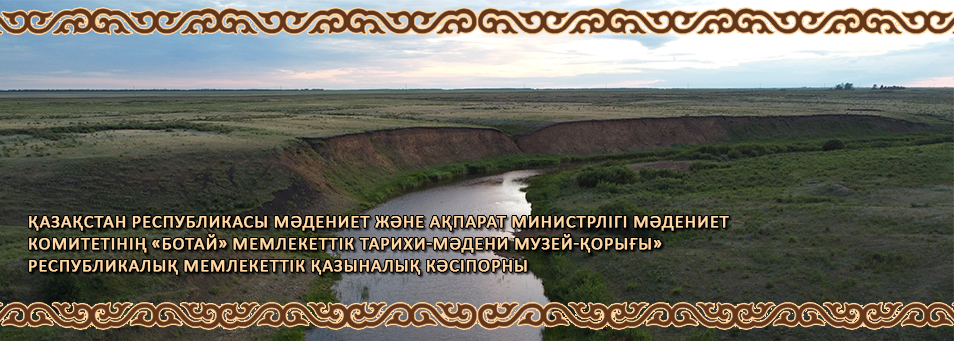
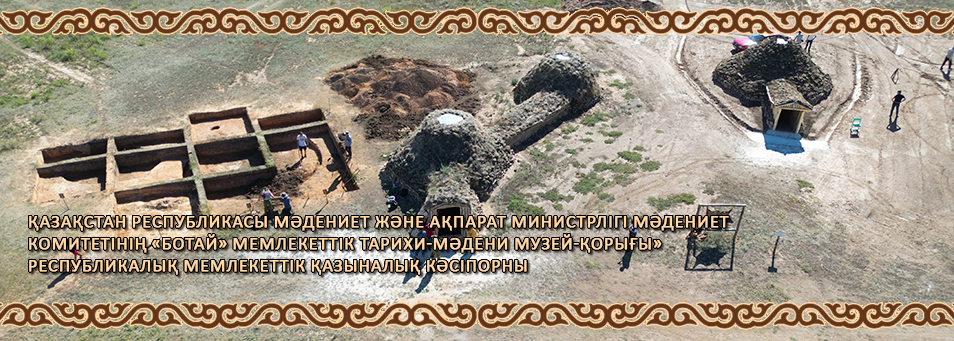
One of the unique archaeological sites of the North Kazakhstan Region is the “Botai Settlement,” located in the southern part of the region. The site was discovered in 1980 by archaeologist Viktor Fedorovich Zaibert.
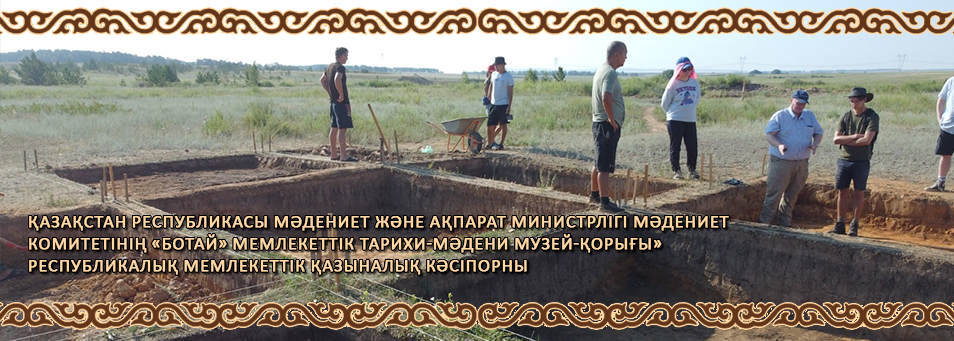
During the period of its existence, no fewer than 250 dwellings were constructed at the settlement. From the very first days of excavation, researchers uncovered a vast number of horse bones. The results were astonishing: the Botai horses did not belong to any previously known species. Scientists concluded that horses were first domesticated on the territory of Kazakhstan approximately 6,000 years ago. This discovery was a true sensation, as it had been believed that horse domestication occurred much later.
While studying these Eneolithic settlements, V. F. Zaibert identified a new archaeological culture, which came to be known as the Botai culture. Both the settlement and the archaeological culture were named after one of the leaders of local Kazakh clans.
In 2018, within the framework of the “Rukhani Zhangyru” program, the archaeological site “Botai Settlement” was placed under state protection by a Resolution of the Government of the Republic of Kazakhstan. The State Historical and Cultural Museum-Reserve “Botai” was established under the Ministry of Culture and Sports of the Republic of Kazakhstan. Its primary mission is to conduct research, collection, exhibition, and cultural-educational activities aimed at promoting this archaeological site.