

VIKTOR FYODOROVICH ZAIBERT
Today marks the birthday of the outstanding scholar, Doctor of Historical Sciences, Professor of Archaeology, Corresponding Member of the German Archaeological Institute, and a distinguished contributor to the development of archaeological science in Kazakhstan, Viktor Fyodorovich Zaibert.
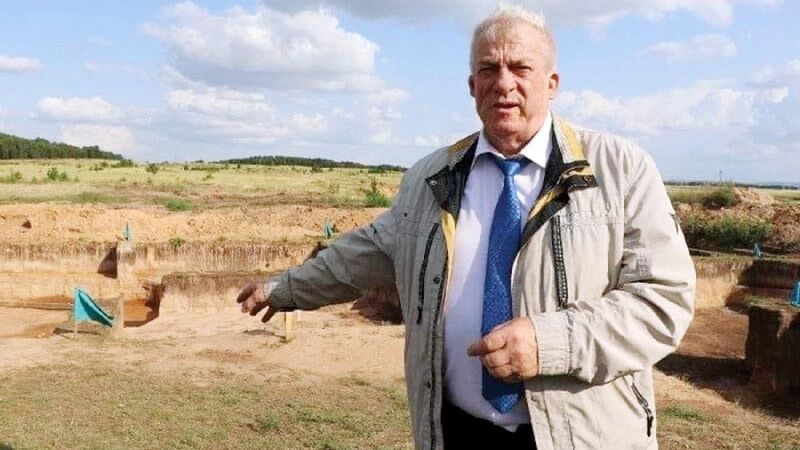
V.F. Zaibert devoted his life to the study of the ancient history of the Eurasian continent, including the archaeological heritage of Kazakhstan. For many years, he headed the North Kazakhstan Archaeological Expedition.
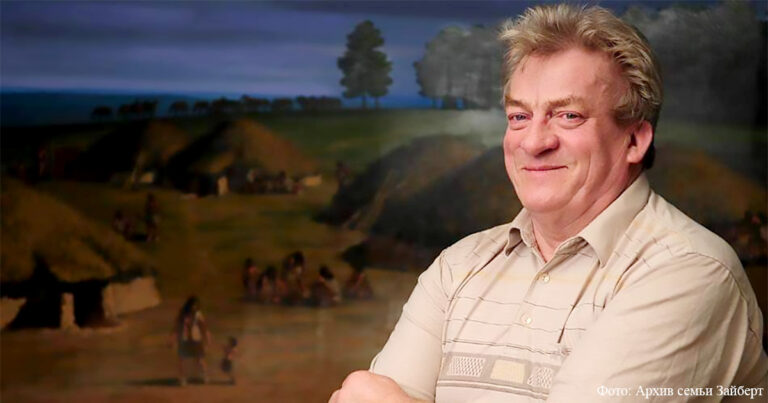
The scholar made a significant contribution to the study of the Atbasar and Botai archaeological cultures and to determining their historical significance from a scientific perspective. A special place in his long-term research was occupied by the study of the Botai archaeological settlement, which made a significant contribution to the development of world archaeology.
As a result of international scientific research led by V.F. Zaibert, extensive archaeological and palaeozoological data related to the Botai culture were collected. The numerous horse remains discovered at Botai became an important source for studying ancient horse husbandry and the domestication of the horse.
The scholar’s academic career began in 1978–1979 with postgraduate studies at the Institute of Archaeology of the Academy of Sciences of the USSR in Moscow. Under the supervision of the renowned archaeologist Otto Nikolaevich Bader, he defended his Candidate of Historical Sciences dissertation entitled “The Neolithic of Northern Kazakhstan.” In 1992, he defended his doctoral dissertation entitled “The Eneolithic of the Ural-Irtysh Interfluve.” In 1996, he was awarded the academic title of Professor.
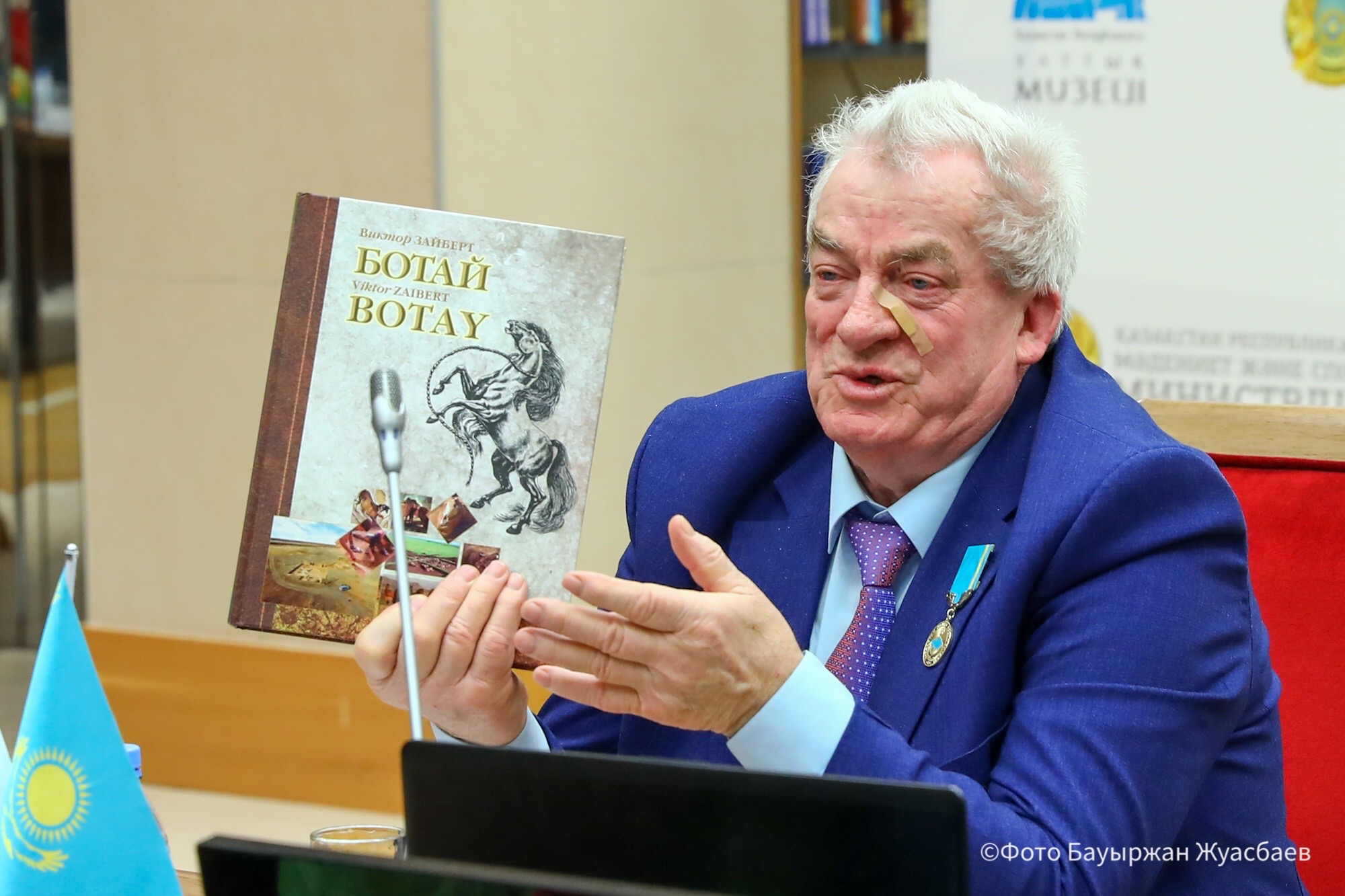
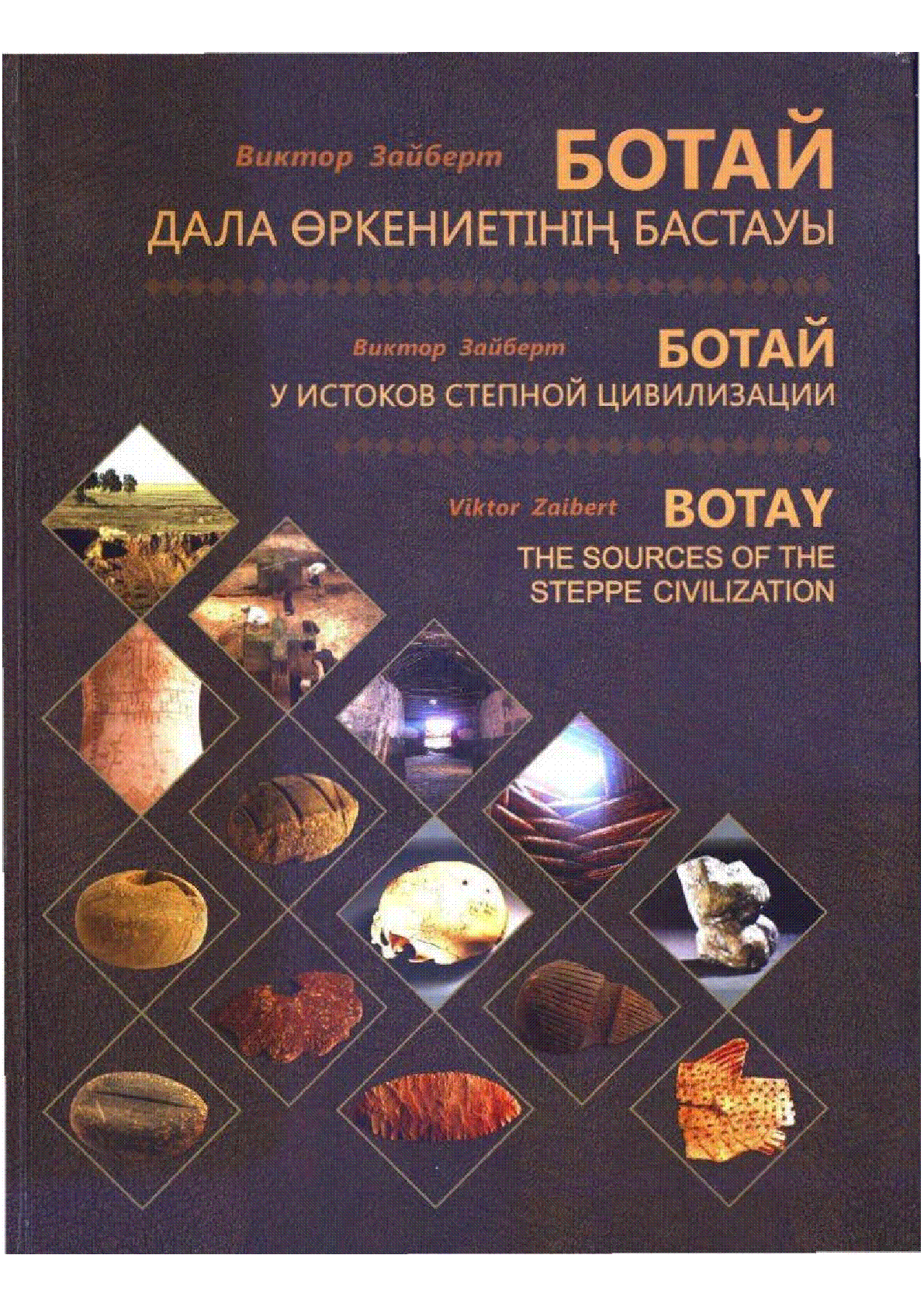
Viktor Fyodorovich left behind a rich scholarly legacy dedicated to the ancient history and archaeology of Kazakhstan. His works include “The Atbasar Culture” (1992), “The Eneolithic of the Ural-Irtysh Interfluve” (1993), “Secrets of the Ancient Steppe” (2007), “Botai Culture” (2009), “Botai – At the Origins of Steppe Civilization” (2011), “Sacred Contexts of the Botai Culture” (2018), “Botai” (2020), as well as other fundamental scholarly works.
Today, the State Historical and Cultural Museum-Reserve “Botai” continues systematic work to preserve, study, research, and pass on the outstanding scholar’s scientific legacy to future generations.