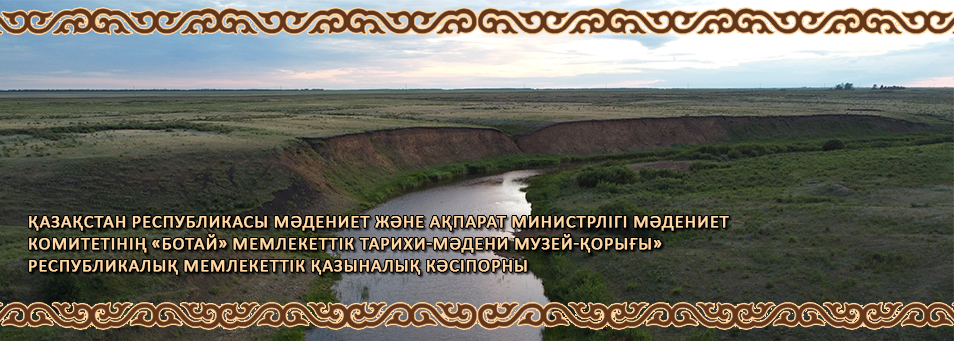


Article on the Traveling Exhibition “Equestrian Culture – The Heritage of Steppe Civilization” in the Regional Newspaper of Jambyl Region “Znamya Truda”
Residents of Jambyl Region Will Be Able to See Valuable Artifacts of the Botai Civilization
The State Historical and Cultural Museum-Reserve “Botai,” together with the North Kazakhstan Regional Museum Association, organized a traveling exhibition at the Akyrtas Palace Complex titled “Equestrian Culture – The Heritage of Steppe Civilization”, dedicated to the 30th anniversary of the Independence of the Republic of Kazakhstan.
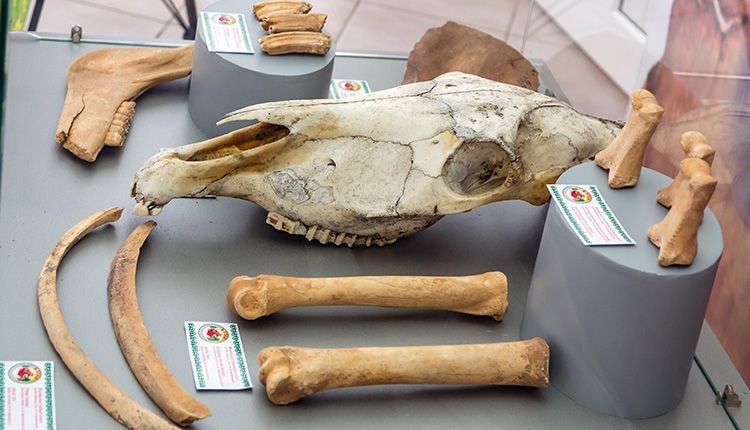
The exhibition features about 200 exhibits, including archaeological treasures from the Eneolithic (Copper-Stone) Age, the transitional period to the Bronze Age. These artifacts are over six thousand years old and correspond to what is known in Kazakhstan as the Botai Civilization.
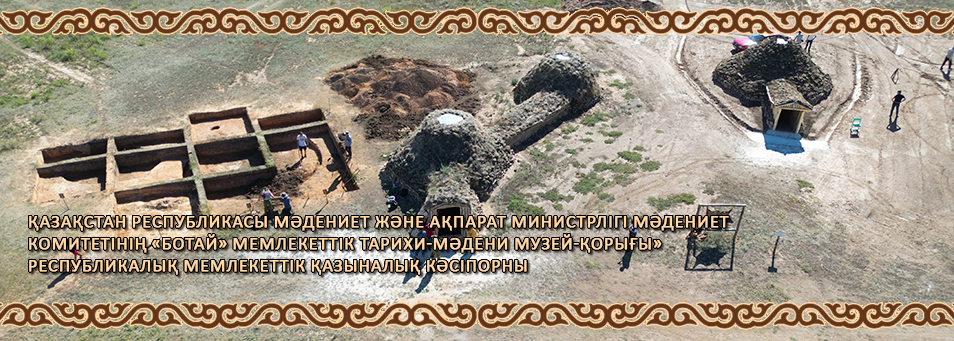
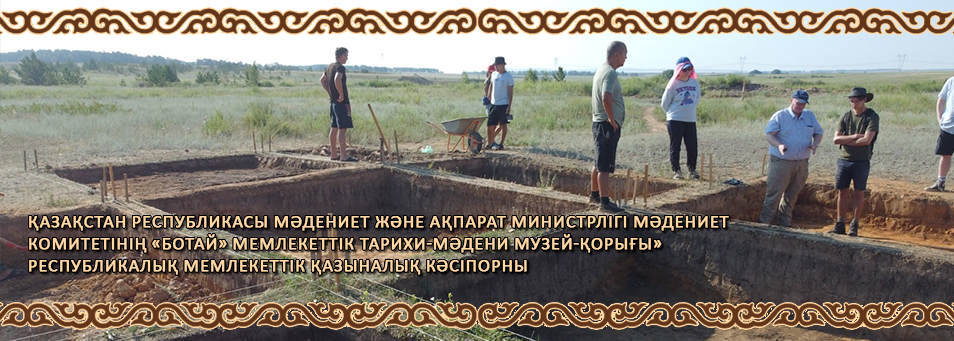
The Botai culture is an archaeological culture identified by the eminent domestic scholar Viktor Zaibert, based on materials from Eneolithic sites in Northern Kazakhstan. The uniqueness and significance of the Botai civilization lie in the fact that the first domestication of the horse in the world occurred at the Botai settlement, and the first nomadic dwellings were created here. This discovery reflects the historical experience of distant ancestors, who passed down their distinctive architectural style. In 2017, the Botai archaeological settlement was included in the national list of sacred sites of Kazakhstan. In 2018, the Republican Historical and Cultural Museum-Reserve “Botai” was officially opened as part of the “Rukhani Zhangyru” program.
The director of the museum, Kuanish Shakshakov, stated:
“The Botai settlement was discovered by archaeologists in 1980, and from the first days of research, it became clear that 98 percent of the bones found belonged to horses. Early laboratory studies confirmed that horses were first domesticated in this territory. The burial sites of the Botai people themselves have not yet been found, which remains a mystery for archaeologists.”
“The North Kazakhstan Region is rightly considered the northern gateway of our country, home to many historical and cultural sites. One of the most famous is the Botai settlement, located near the Imantausko-Shalkar resort area. The unique architectural and cultural monument of Botai is a national brand, attracting special attention. In his article ‘Seven Facets of the Great Steppe,’ Elbasy Nursultan Nazarbayev named equestrian culture as one of the first facets. Our museum houses over 300,000 archaeological artifacts, most of which belong to the Botai Civilization,” added Gulnara Mukusheva, director of the North Kazakhstan Regional Museum Association.
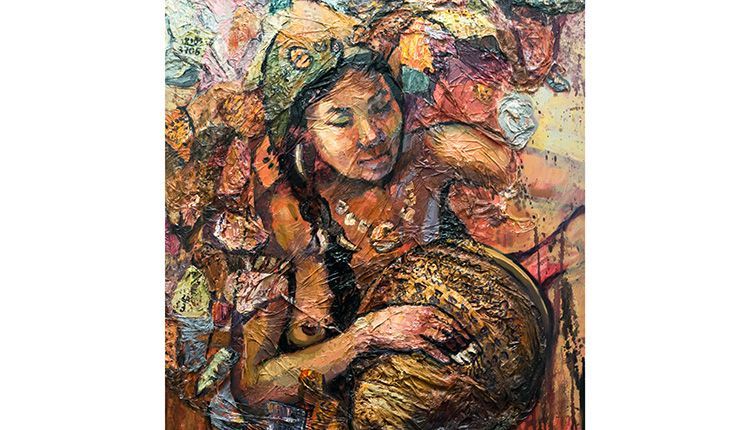
In addition to archaeological artifacts, the exhibition presented 12 paintings by artists from the Union of Artists of Kazakhstan, Uzbekistan, Kyrgyzstan, and Russia. These artists participated in the international symposium “Culture of the Great Steppe”, which for the first time was held in North Kazakhstan and focused on the Botai archaeological site. The artists created works directly at the Botai settlement, immersing themselves in the ancient culture, and donated 40 paintings to museums across Kazakhstan. Featured works include Aidos Makanov’s “Riders of Botai”, Lyudmila Aituarova’s “From the Depths of Centuries”, Maria Melnikova’s “Sun of Botai”, Tleugazy Zhuwanyshev’s “Botai Princess”, and Evgeny Zaremba’s “Botai: The Beginning”.
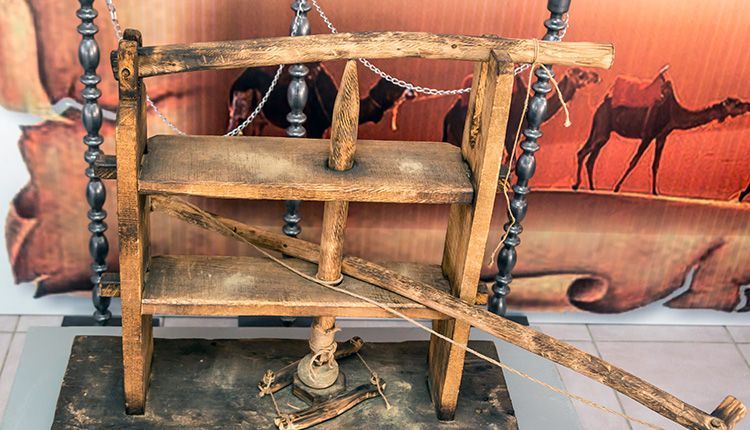
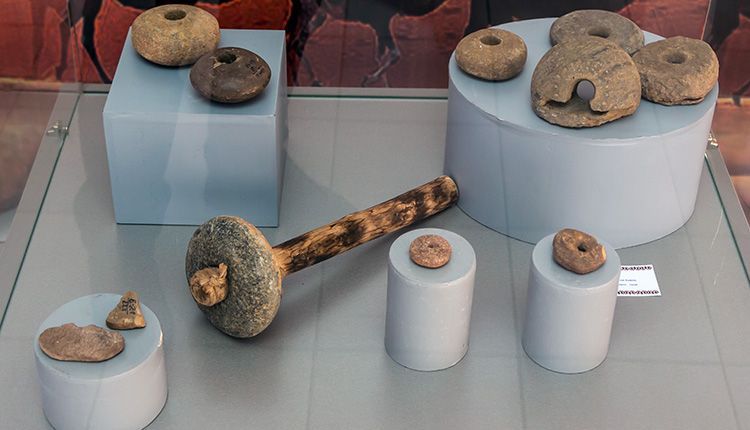
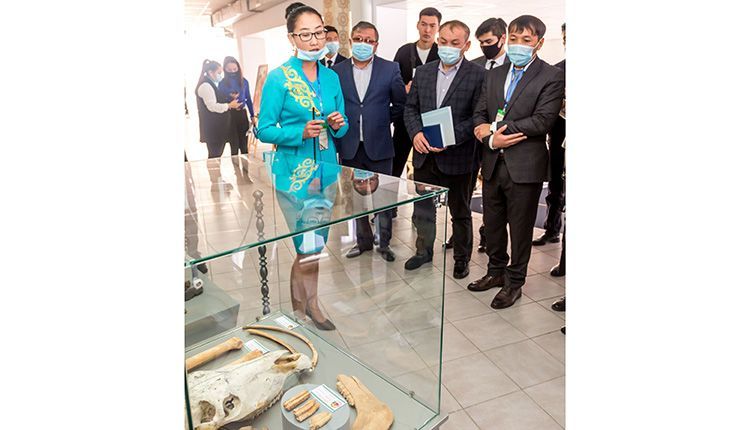
The archaeological exhibition was presented by the guide Aigerim Aidarbekova from the Botai Museum-Reserve. The display includes ancient household items and tools such as stone knives, axes, hammers, cleavers, discs, awls, chisels, grindstones, mortars, fragments of stone vessels, as well as spear, dart, and arrowheads. Even a wooden drilling machine for making discs is included. Notably, scientists discovered fat molecules of kumis on the walls of many stone and copper vessels, confirming that the Botai people were already milking mares and keeping horses as domestic animals.
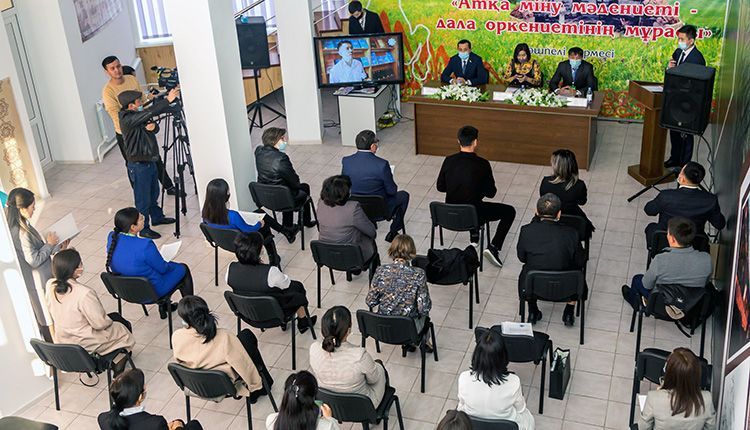
The event also featured a round table titled “The Everlasting Civilization of the Great Steppe”, during which a memorandum of cooperation was signed between museums from Jambyl and North Kazakhstan regions. Presentations were made by: Nurlan Bykybaev, Director of the State Historical and Cultural Museum-Reserve “Monuments of Ancient Taraz”; Madina Ibadildaева, Researcher at the same museum (“Nomadic Kazakh Culture”); Kuanish Shakshakov, Director of the Botai Museum-Reserve; Gulnara Mukusheva, Director of the North Kazakhstan Regional Museum Association; Kuanish Daurenbekov, Director of the Directorate for the Protection and Restoration of Historical and Cultural Monuments of Jambyl Region; Mahanbet Rakhimzhanov, Head of the Tourism Information Center “Taraz-Tourism”; Sauran Kaliev, Director of the Center for Spirituality and Historical Studies named after Sherkhan Murtaza in Taraz; Ilyas Seitjan, Director of the Jambyl Regional Historical and Local History Museum.
Staff from North Kazakhstan museums visited the architectural and archaeological palace complex Akyrtas, exchanging impressions and experiences with their Jambyl colleagues.
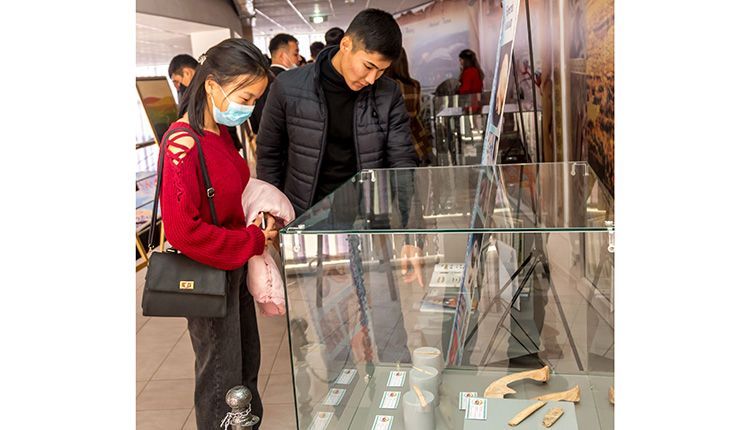
Residents and visitors of Jambyl Region will have the opportunity to see these valuable Botai civilization artifacts from October 27 to November 26.
By Larisa Gubasheva,
photos by Yuri Kim