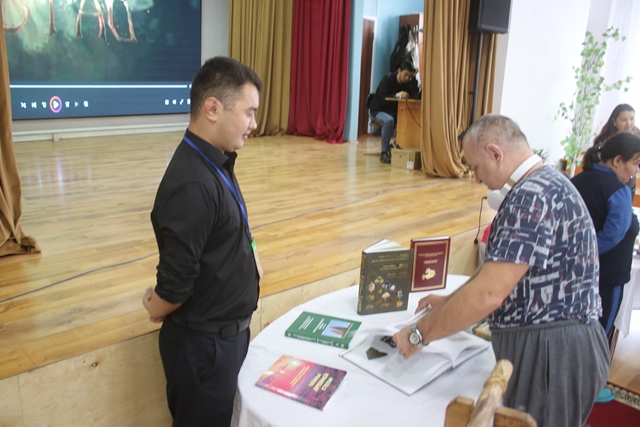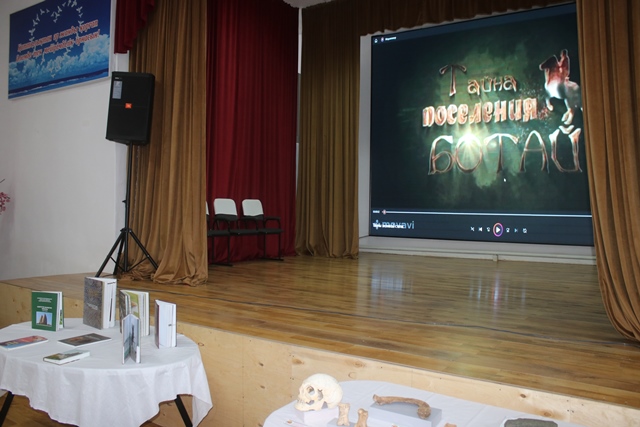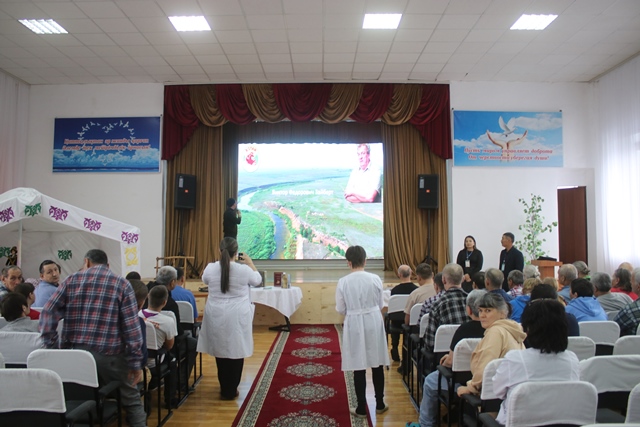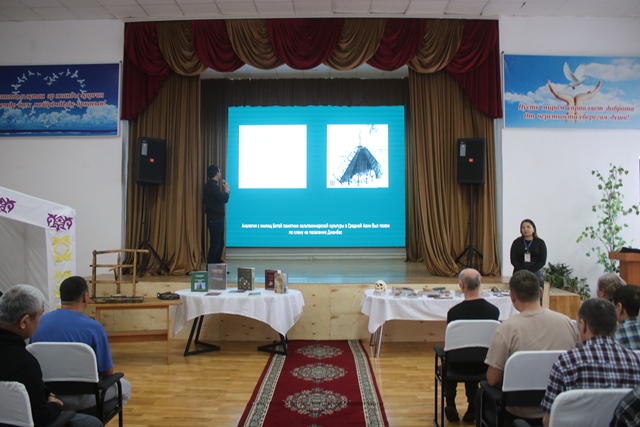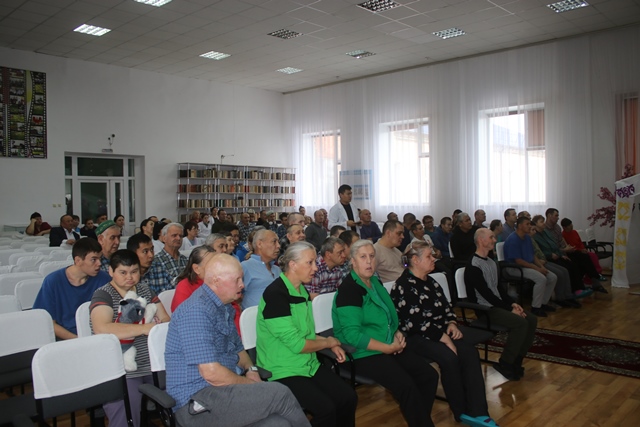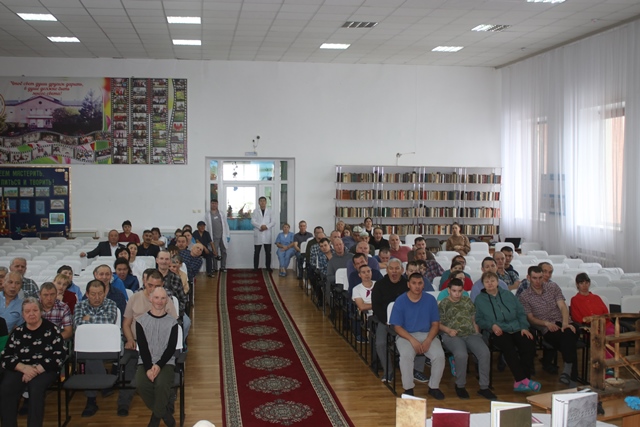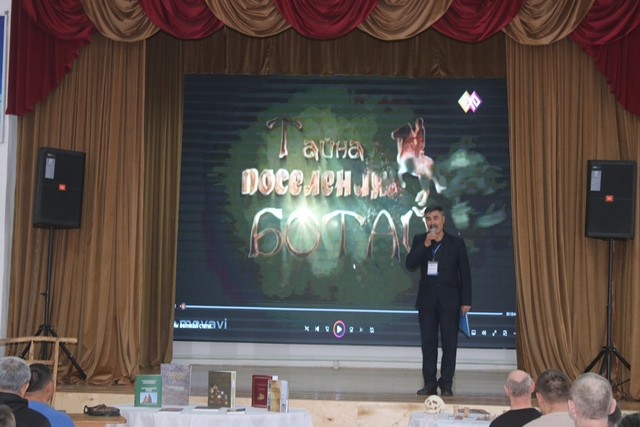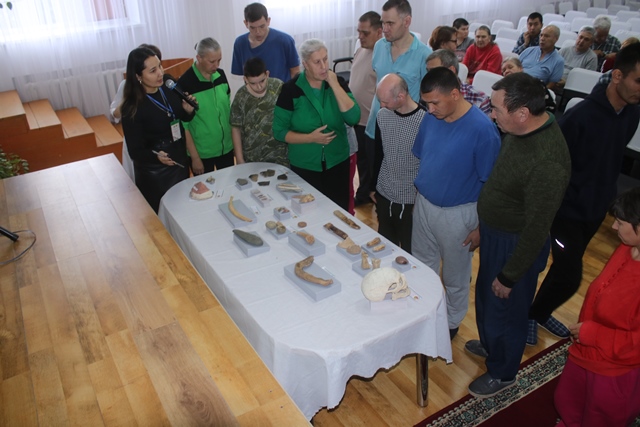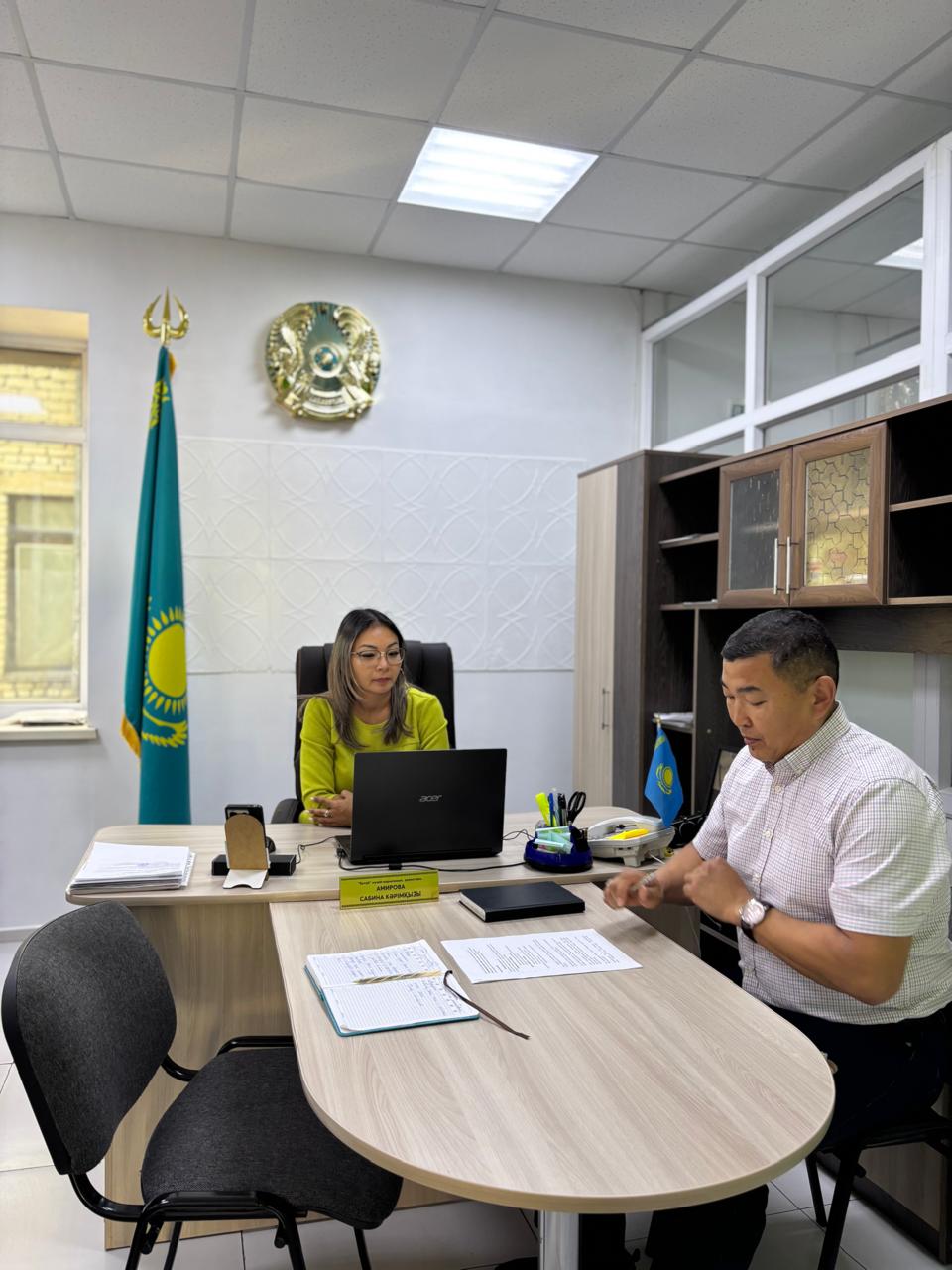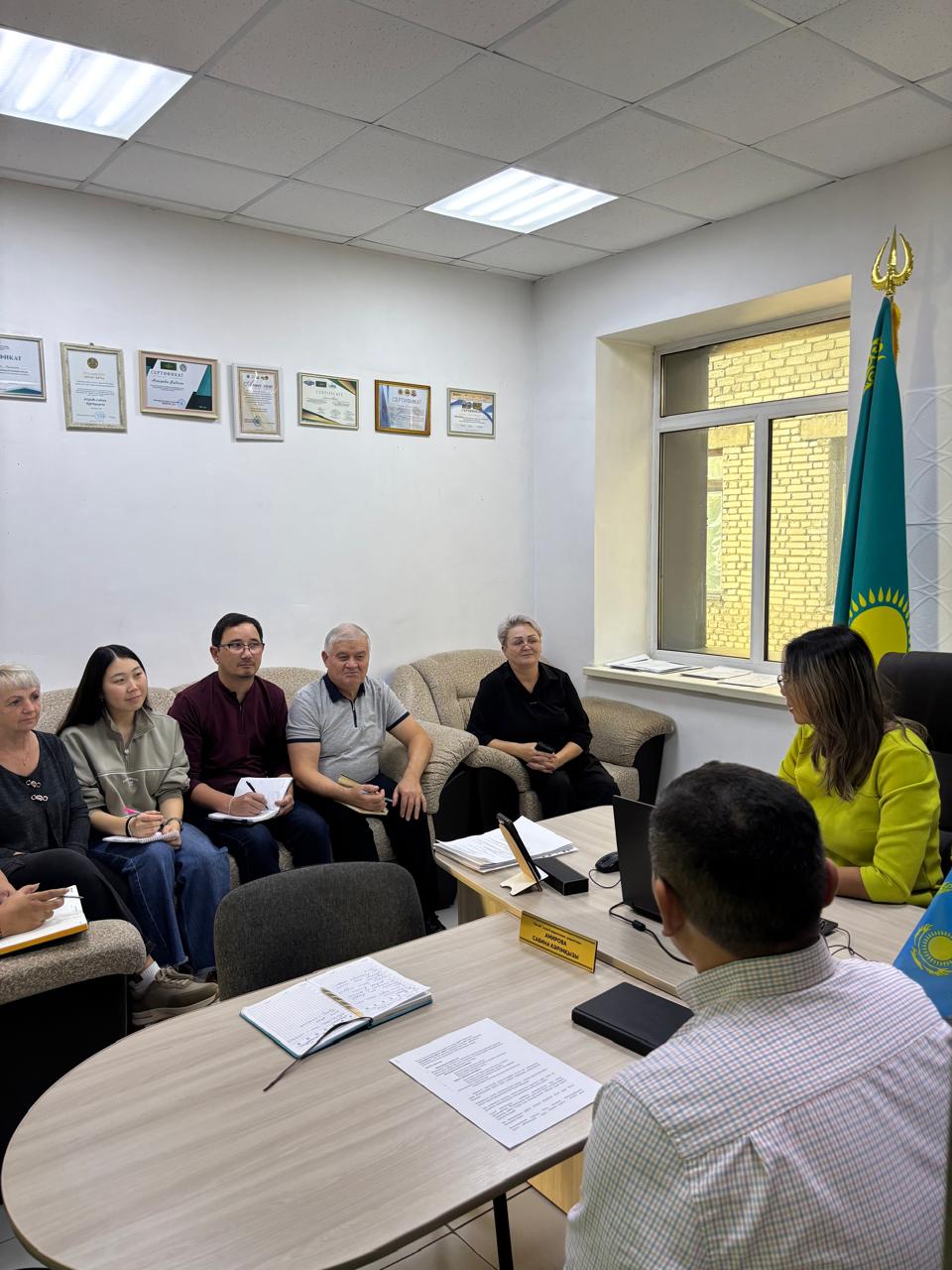




On Conducting Awareness-Raising Activities on the Formation of an Anti-Corruption Culture at the RSE “State Historical and Cultural Museum-Reserve ‘Botai’” of the Committee of Culture of the Ministry of Culture and Information of the Republic of Kazakhstan
On Conducting Awareness-Raising Activities on the Formation of an Anti-Corruption Culture at the RSE “State Historical and Cultural Museum-Reserve ‘Botai’” of the Committee of Culture of the Ministry of Culture and Information of the Republic of Kazakhstan
Dear colleagues,
Today we will talk about a phenomenon that is widely condemned and actively fought against, yet unfortunately still deeply rooted in our society. We often hear this word in the news and may have even encountered it in our daily lives. This phenomenon is corruption.
But what does it really mean? Let us take a closer look.
In simple terms, corruption is the abuse of power for personal gain.
Imagine a teacher who gives high grades not for knowledge, but for money or gifts. Or a doctor who demands payment for a procedure that should be free of charge. Or an official who “expedites” the issuance of documents only in exchange for a reward. In all these cases, a person uses their position and authority not for its intended purpose, but for personal benefit.
Let us identify the main types of corruption that we may encounter:
Bribery — the most obvious form, when one person offers money or valuable gifts to another person, often an official, in order to violate rules and perform an illegal act
Extortion — when a bribe is not offered voluntarily but demanded; for example, when an inspector hints that an issue can be resolved “on the spot”
Nepotism — when a position is given not to the most qualified candidate, but to a relative, friend, or acquaintance simply because they are “one of our own”
Embezzlement — when funds allocated for public needs (such as school repairs, road construction, or medical supplies) are misappropriated
Corruption directly affects each of us. Consider the following:
- Is it acceptable to study in a school where repairs were done using the cheapest materials because someone pocketed part of the budget?
- Is it safe to drive on roads built in violation of standards to save money and generate illegal profit?
- Can a deserving student enter a prestigious university if their place is taken by someone who simply paid for it?
Corruption steals our shared future. It undermines justice and the rule of law, creating a system where connections and money matter more than talent, knowledge, and integrity.
So, what can we do? The fight against corruption is not only the responsibility of law enforcement agencies or the government. It is the responsibility of every citizen, including each of us.
We can start with simple but meaningful steps:
- Never give or accept bribes
- Know your rights. If a service is supposed to be free, do not be afraid to insist on it
- Use official channels: file complaints and report cases of extortion through designated platforms or hotlines
- Maintain honesty and integrity in your professional activities, regardless of your position
Of course, not everyone should be judged the same way. There are many individuals whose guiding principles are conscience and honor — people who are dedicated to their work, act responsibly, and strive to contribute positively to society.
Honesty and integrity must remain incorruptible. We must begin to change — together, and starting now. If we stop offering bribes, others will stop taking them, and the world will become a little fairer. Not only the state, but each individual must contribute to these changes, beginning with themselves.
Remember: corruption fears transparency. It fears honesty and our collective commitment to fairness.
Thank you for your attention. Let us work together to make our society more honest.